Pax by Tom Holland

I have read Pax – War and Peace in Rome’s Golden Age by Tom Holland. I have always had a keen interest in Roman history – as I am sure all men of culture have. I could label either Roman or Mediaeval history as my first love in this regard. Thus, I said it would be my pleasure when the publisher asked if I wanted to review the book.
As the title of the book suggests, it details the Roman world of Rome’s golden age (i.e. when Roman power was at its zenith) – from the tumultuous Year of the Four Emperors (AD 69) to the reign of Hadrian (AD 117 to 138). The book is very well written and presents the principal events and wars of the era in a clear and gripping way.
The book contains the following chapters:
I. The Sad and Infernal Gods
II. Four Emperors
III. A World at War
IV. Sleeping Giants
V. The Universal Spider
VI. The Best of Emperors
VII. I Build This Garden for Us
Transgender Queen!?
In Chapter I, the author gives much attention to two individuals – Queen Poppaea and a eunuch also named Poppaea. The author mentions that:
‘And it was to Greece, as it so happened, that the boy transformed into Poppaea, only a few months after the operation that had made him a woman, had been taken by Nero. Borne in a litter appropriate to an empress, the new Poppaea had toured a succession of the festivals for which Greek cities were famed.’
Tom Holland – Pax. Page 52.
Later in the chapter, the author refers to the eunuch as a maimed parody:
‘Otho, by seizing the maimed parody of his former wife, had known full well what he was doing. Poppaea served as a totem. To own her was to signal a readiness to play the role not merely of a Caesar, but of a Nero.’
Tom Holland – Pax. Page 72.
A generous interpretation of why the author would say that ‘the operation that had made him a woman‘ is that it could be a poetic way to say that they attempted to make a eunuch as feminine as possible. Another way to explain it is that the author lives and works in the United Kingdom – and thus has to contend with a notoriously repressive regime. Just as one would expect an author in the Eastern Bloc during the Soviet times to formulate himself in a certain way, so can one suppose that the author does something similar here.
Perhaps I am reading too much into it, and whatever the reason the author had for formulating himself thus, it should not discourage anyone from reading an otherwise excellent book.
BBC Rewriting History
In the preface of the book, the author notes the following:
‘BBC, in a recent film made for children about Hadrian’s arrival in Britain, amended chronology so as to portray the governor of the province at the time as African.’
Tom Holland – Pax. Page 4.
A less polite, but perhaps more accurate, way to state it would simply be to say that the BBC, a propaganda organ, falsifies history. Either way, my respect to the author for calling our their falsehoods.

A Passion for Honour
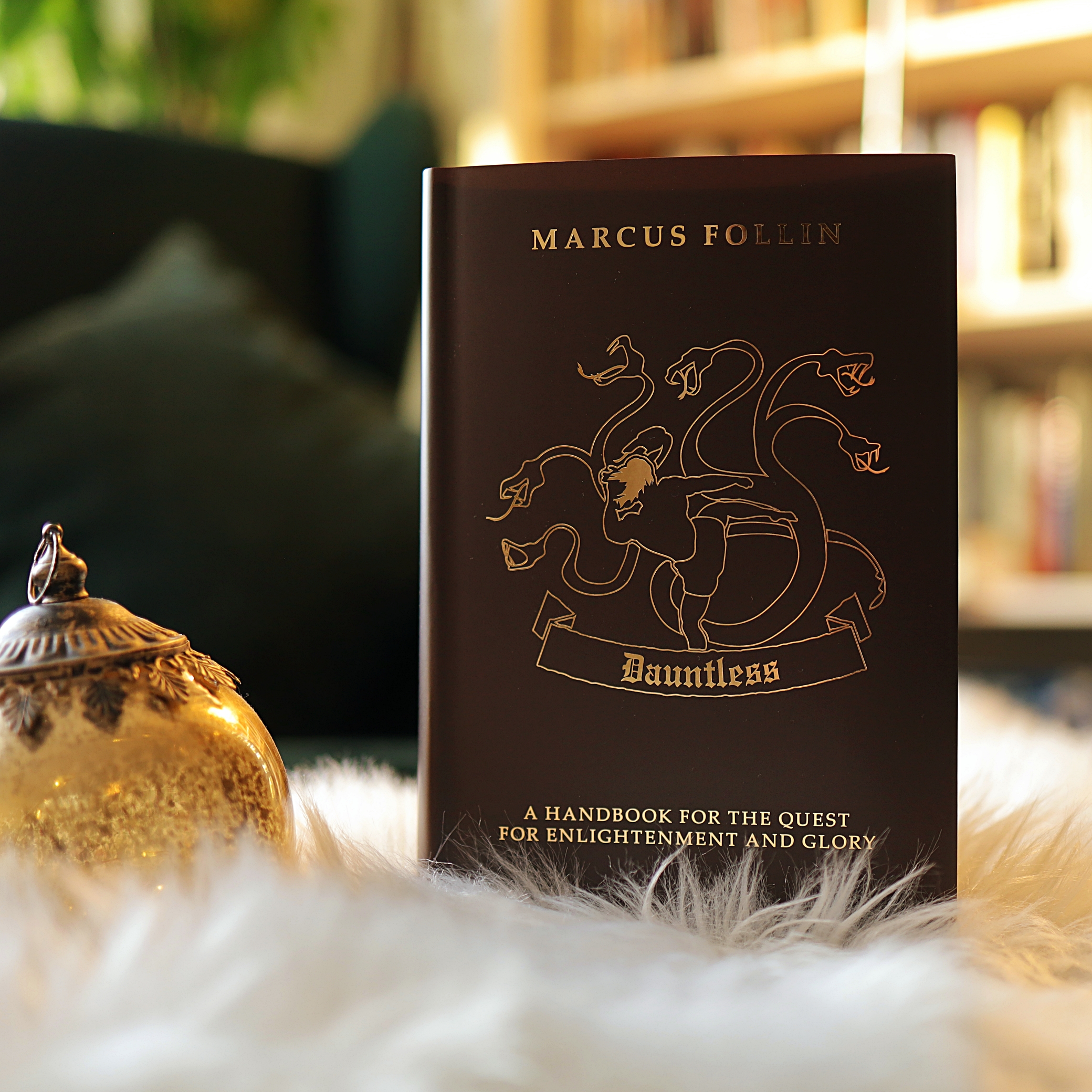
The author gives plenty of attention to the legions – which is good, considering their central role in Roman history. He elaborates on the rivalry between the various legions and the passion for honour that the Roman military traditions inspired. As I noted in Dauntless (2021) – competition breeds excellence. I also use the example of the Roman legions in my upcoming Demigod Mentality (September 2023) to exemplify how rivalries can serve as a catalyst for greatness. To understand the prowess of the legions one needs to understand the importance of the esprit de corps.
Rome vs Judaea
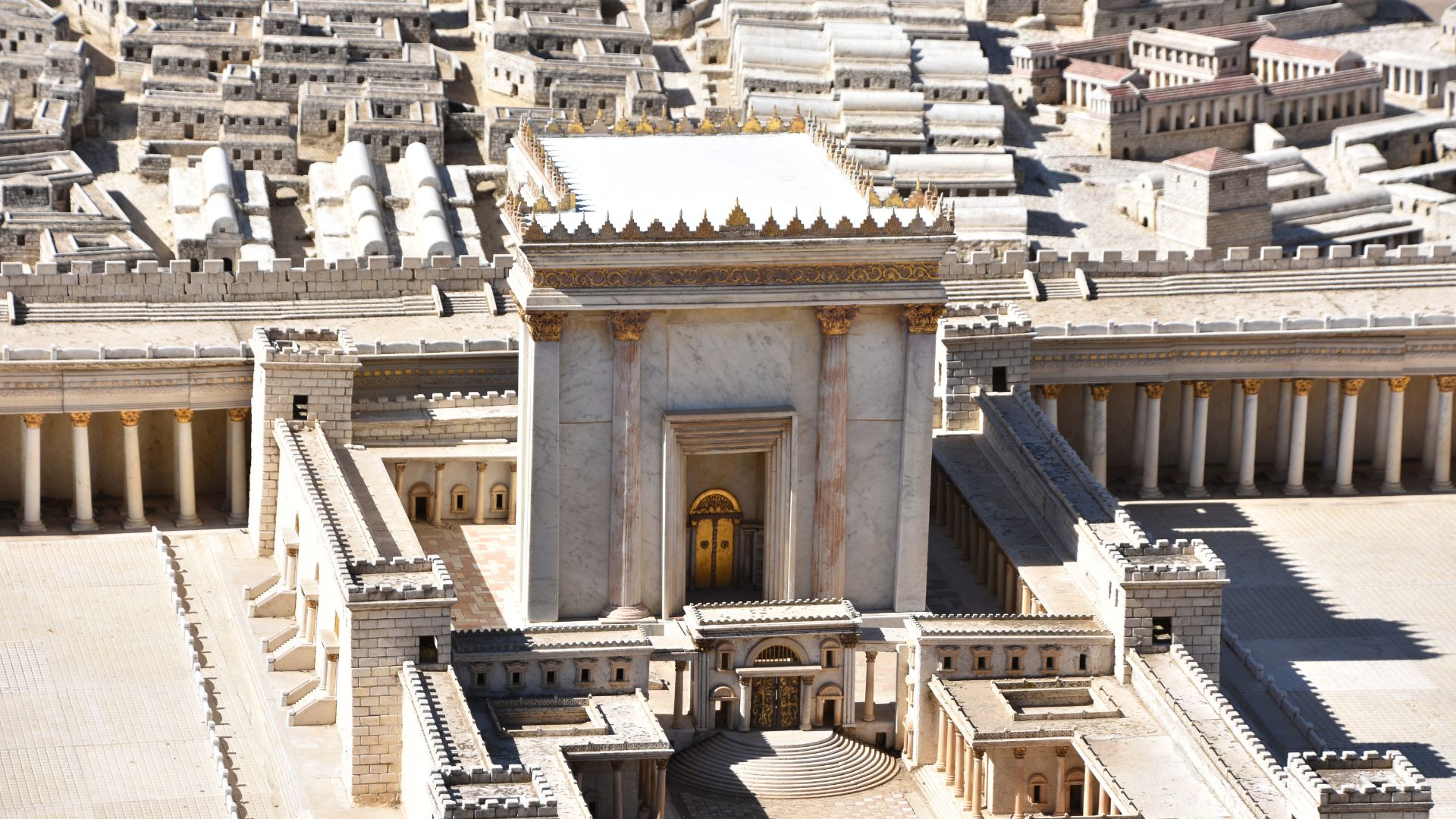
One of the most significant conflicts during the Golden Age of Rome was the one in Judaea. The conflict was not a single war, but rather a continuous conflict involving different factions – the two main ones being the Romans and the non-Hellenised Judaeans (i.e. the Judaeans who did not want to assimilate into the Graeco-Roman world). This conflict was not restricted to Judaea – for example, the Judaean population in Cyrene rose up in a full-blown uprising, and Alexandria saw running battles in the streets between Greeks and Judaeans.
The author shares the following valuable insight:
‘Much that makes what today we call ‘Judaism’ distinctive – the role played by rabbis, synagogues, the Talmud – constitutes less a preservation of what had existed before the wars against the Romans than an adaptation to its loss.’
Tom Holland – Pax. Page 12.
Understanding the conflict between Rome and Judaea is of paramount importance for understanding Nietzsche’s teaching on master and slave morality – and much of world history for that matter.

Beautiful Quote on Trajan
Astute enjoyers of my book reviews know that I always appreciate inspiring quotes. Here is a description of Trajan, often described as the best of emperors:
‘Imperator Caesar Nerva Trajanus Augustus. Tall, broad-shouldered and weather-beaten after the many months he had spent under canvas, he exuded a quality of virtus, of manliness, such as a Roman from the most primitive days of the city.’
Tom Holland – Pax. Page 309.
Conclusion
The book is 399 pages and strikes a good balance between being concise and containing a satisfactory amount of detail. The author has released books about the previous eras of Roman history as well – perhaps I shall read them later! I enjoyed the book and can recommend it to the enjoyer of history.



 The Golden One
You must be logged in to post a comment.