Mysteries of the Far North by Jacques Privat

I have read Mysteries of the Far North – The Secret History of the Vikings in Greenland and North America by Jacques Privat. The book is a scholarly work that presents various theories and research regarding the Scandinavian settlements of Greenland and Vinland. Despite its somewhat esoteric-sounding title, the book reads more like a history book and the author has done great work in finding source material (archaeological evidence, stories and myths, mediaeval manuscripts, etc.) to support his claims. The author not only discusses the history of the Norse in the region, but also introduces the cultures that lived alongside them (the Dorset culture and the later Thule culture).
The Dorset Culture and the Thule Culture
As mentioned, the author gives plenty of space in the book to the Inuit cultures of the region. The following quote serves as a good overview:
‘The Thule people displayed a perfect mastery of their environment, both on land and sea, which distinguishes them from the members of the Dorset culture. It is the Thule that displays the most traces of contact and influence with the Vikings. The current inhabitants of Greenland are their direct descendants.’
Jacques Privat – Mysteries of the Far North. Page 388.
It must be noted that the Norse were in Greenland before the Thule culture, thus making it reasonable that it belongs to Denmark today. Pictured below: An Inuit landmark (Inuksuk).

Arctic Luxury Goods
Gyrfalcons, ivory, leather hides, and furs were among the treasures that could be found in the Far North – making it a lucrative area for settlements. The author notes the following:
‘The falcon held an important place in medieval symbology, and the gyrfalcon was the most popular hunting bird for the nobility’s favorite amusement: falconry. The Hanseatic books tell us that the Lübeckois were taxed twelve Icelandic falcons a year. As early as 1240, the emperor Frederick II exported falcons to Italy thanks to his Lübeck merchants.’
Jacques Privat – Mysteries of the Far North. Page 337.
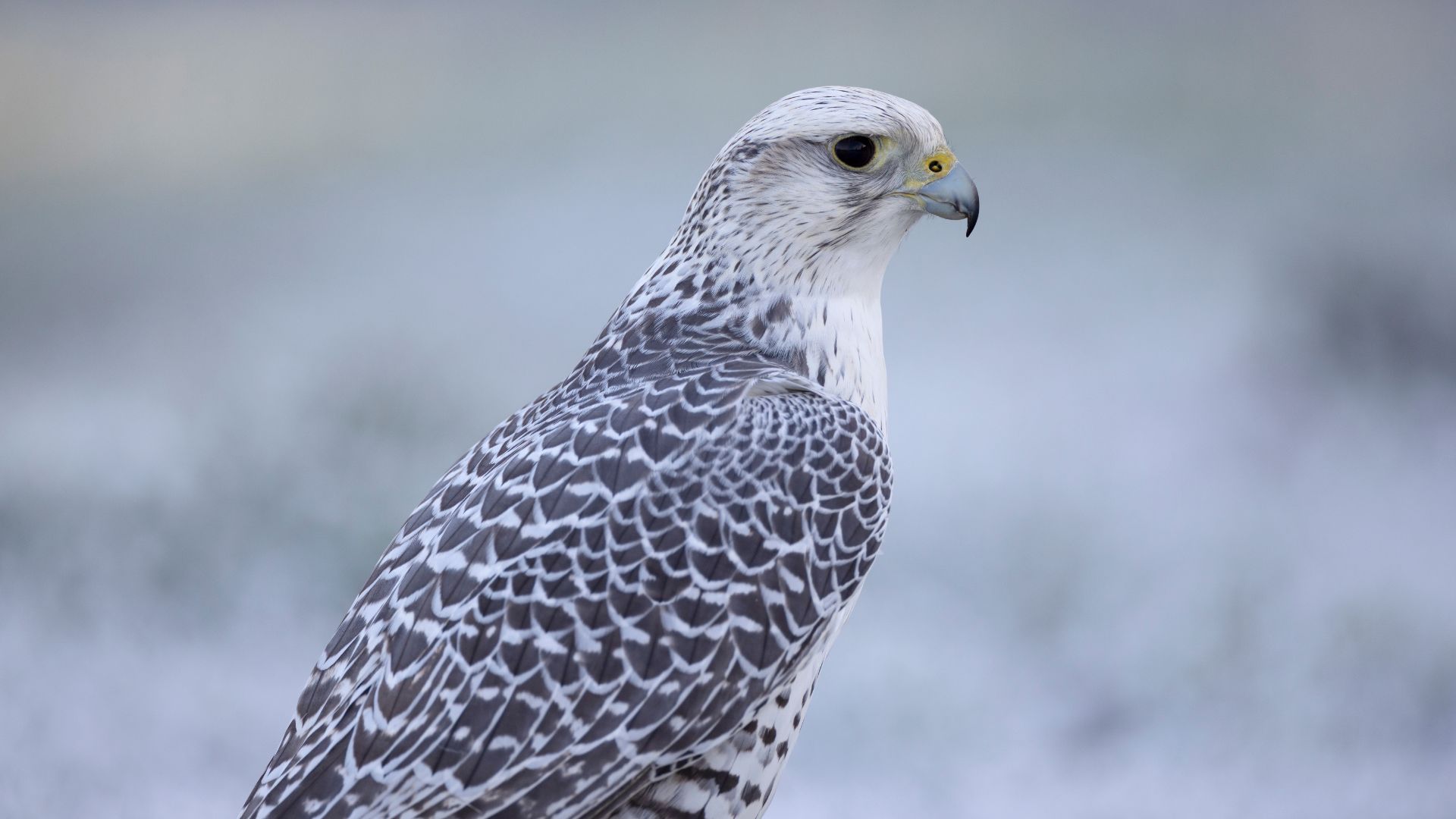
According to some theories, the ivory from walruses became less valuable during the late Middle Ages due to an increase of (elephant) ivory from Africa (some use this as one of the reasons explaining the later disappearance of the Greenland settlements). Pictured below: an aesthetically pleasing gyrfalcon.
Inuit-Viking War and Trade
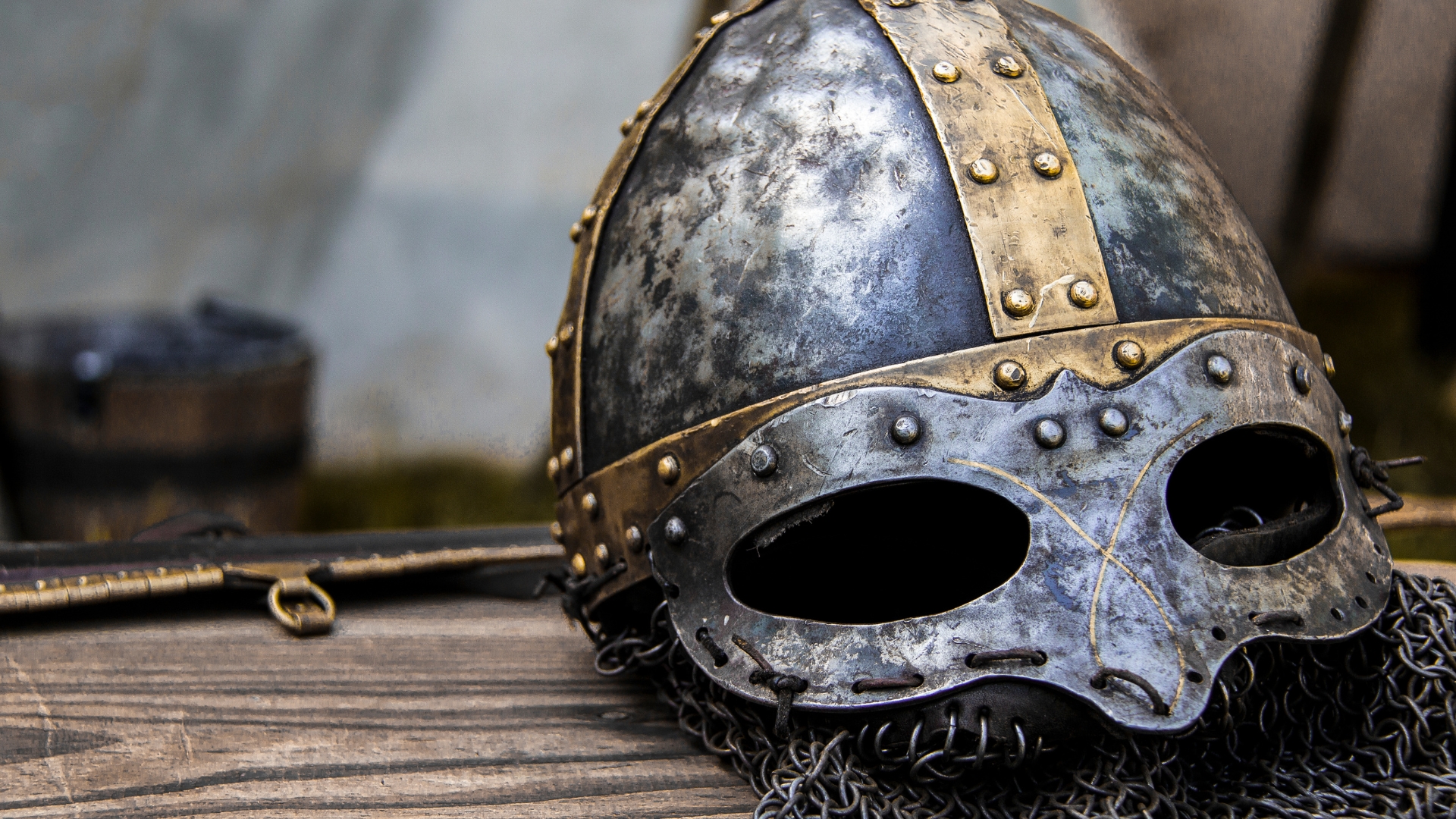
The author emphasises the peaceful (trade) relations between the two communities. Although he notes that there were incidents of violence between the Inuits and Vikings, he does not subscribe to the theory that postulates an Inuit extermination of the Viking population. I am inclined to agree with this; I find it highly unlikely that the Inuits would be able to overcome the Norse in an all-out war. Moreover, the Inuits probably valued the Norse as trading partners more than they saw them as a threat (this is just my speculation). Instead, he points to the deteriorating relationship between the Catholic Church and the Nordic powers and their Greenland subjects as a potential cause for the disappearance of the Norse presence in Greenland.
Pagan-Christian Syncretism
The author shares the following quote from Adam of Bremen (a German chronicler active during the 11th century) regarding the religious attitudes of the Norse population of Greenland:
‘The folk of this country call themselves partly Christian, although they have no faith, confession, or baptism. They can even be Christians and still invoke Thor and Odin.’
Adam of Bremen – Gesta Hammaburgensis
As I have noted elsewhere (on many occasions), the Middle Ages (especially in the Norse world) could be described as a period of Pagan-Christian Syncretism – where White Christ (Vite Krist) was seen as an additional God in the pantheon.
The Danish King & the Borgia Pope
The author highlights the deteriorating relationship between the Nordic powers (Sweden, Denmark, Norway) and the Papacy during the late Middle Ages. This actually began before the Reformation – in 1481, King Christian I of Denmark stripped power from the Church via various legal reforms – to the great consternation of the Pope. Gustav Vasa of Sweden also cast off the yoke of the Catholic Church (in the early 1500s). In both of these cases it is prudent to point to realpolitikal reasons (i.e. that the Church had plenty of resources and land that the State needed) rather than theological reasons (those came later). On a personal note, I prefer Catholicism to Protestantism since the former is closer to Paganism and more beautiful. However, I fully understand and admire the course of action taken by Gustav of Sweden, Kristian of Denmark, and Henry VIII of England (I will elaborate on this later). The author notes the following:
‘The relationship between the Borgia pope and the Danish crown were certainly not looking rosy.’
Jacques Privat – Mysteries of the Far North. Page 383.
He continues by stating that the Pope gave the Catholic Portuguese carte blanche in the Far North – implying that Portuguese raiders may have tormented the Greenlanders. On a personal note, I am unsure if raids by Portuguese were the primary reason for the disappearance of the settlements in Greenland (but perhaps I am biased since I admire the Portuguese of the Age of Exploration and would not want them to be the perpetrators). The author, however, states it thus:
‘The trail of Rome settling a score therefore finds extensive reinforcements with the “Greenland question” forming only a part of the serious liability opposing the Danish crown and Rome. I think it is the most logical and well-founded explanation for the tragic fate of the Nordic colonies of Greenland and America.’
Jacques Privat – Mysteries of the Far North. Page 383.
Danish-Portuguese Friendship
In other parts of the book, the author elaborates on the good relations between the Danish and the Portuguese. Joint expeditions between the two nations occurred – a Dane named Lolland partook in the heroic capture of Alcazar, and another Dane (named Vallart) was named commander of an expedition to the African coast in 1448.
How Long Did the Settlements Last?
The author notes the following regarding this question:
‘The length of time Scandinavians were living in Greenland and Canada needs to be revised upward. At the beginning of the century, it was common to consider the first decades of the sixteenth century as the cut-off date (based on Scandinavian source materials). We can see that an additional half century is not unreasonable if we follow the Portuguese source material.’
Jacques Privat – Mysteries of the Far North. Page 379.
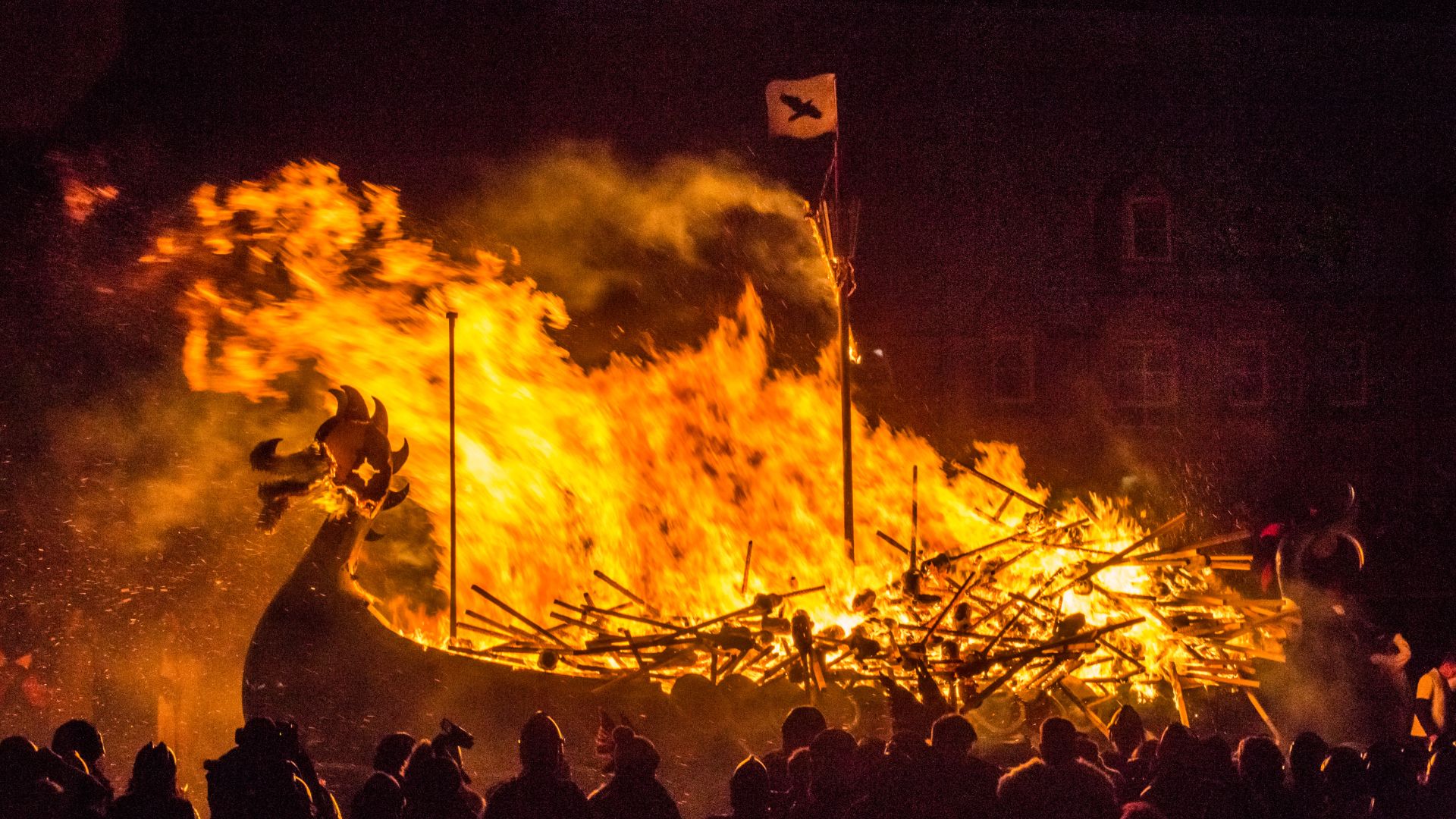
There are various theories as to why the settlements were abandoned; pirate raids, climate change (colder weather), fewer commercial opportunities – and, as the author of this book proposes, punitive expeditions promoted by the Papacy. I am inclined to believe that the worsening of the weather was a major contributing factor – but I must meditate more on the matter before saying more.
Conclusion
The book has 390 pages and contains plenty of valuable and interesting insights (many more than shared here). I can definitely recommend it for those interested in the topic!



 The Golden One
You must be logged in to post a comment.