The Call of the Old Gods by Christopher McIntosh
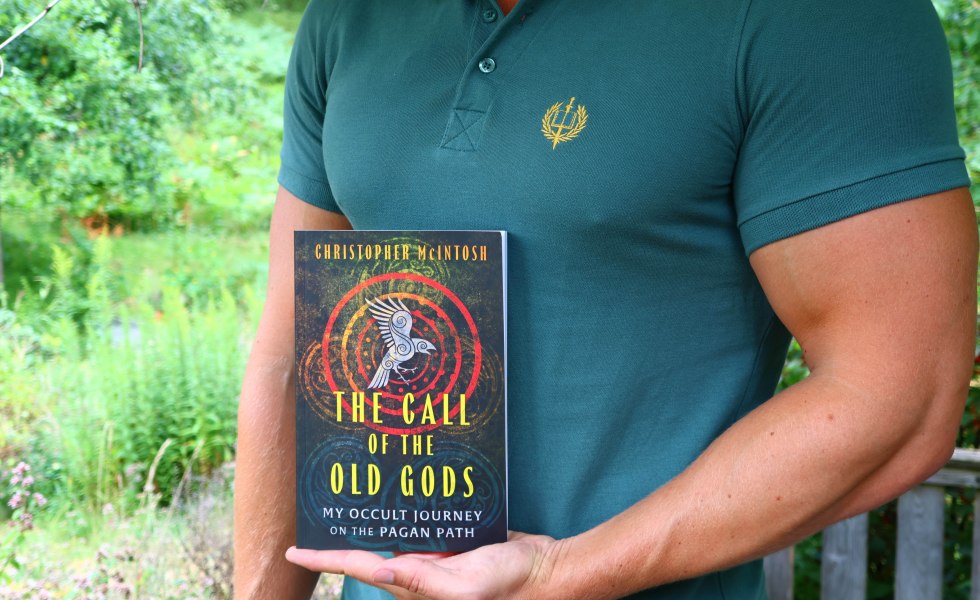
I have read The Call of the Old Gods – My Occult Journey on the Pagan Path by Christopher McIntosh. I was intrigued by the title and thus decided to read it. His spiritual journey is a red thread throughout the book, but for the most part the book is about his eventful social and professional life (with a career at the UN, among other endeavours). As the author was born in 1943 he came of age and was (and still is) active during the prosperous years of the post-war period – those decades were quite different to Europe today. It is always interesting to read accounts of how Europe was in those days. It is only a few decades ago, but our once fair nations have unfortunately transformed greatly.
Sacred Places in Britain
The author notes the following about growing up in Albion:
‘My own pagan journey has been bound up with my attraction toward sacred places. I was lucky to grow up in Britain, which is unusually rich in ancient sites steeped in lore and legend – places like Stonehenge, the Rollright Stones, the Callanish Stones in the Hebrides, and Glastonbury in the West Country, associated with the Grail legends and the Archangel Michael, ostensibly a Christian figure but in fact an ancient solar deity.’
Christopher McIntosh – The Call of the Old Gods. Page 100.
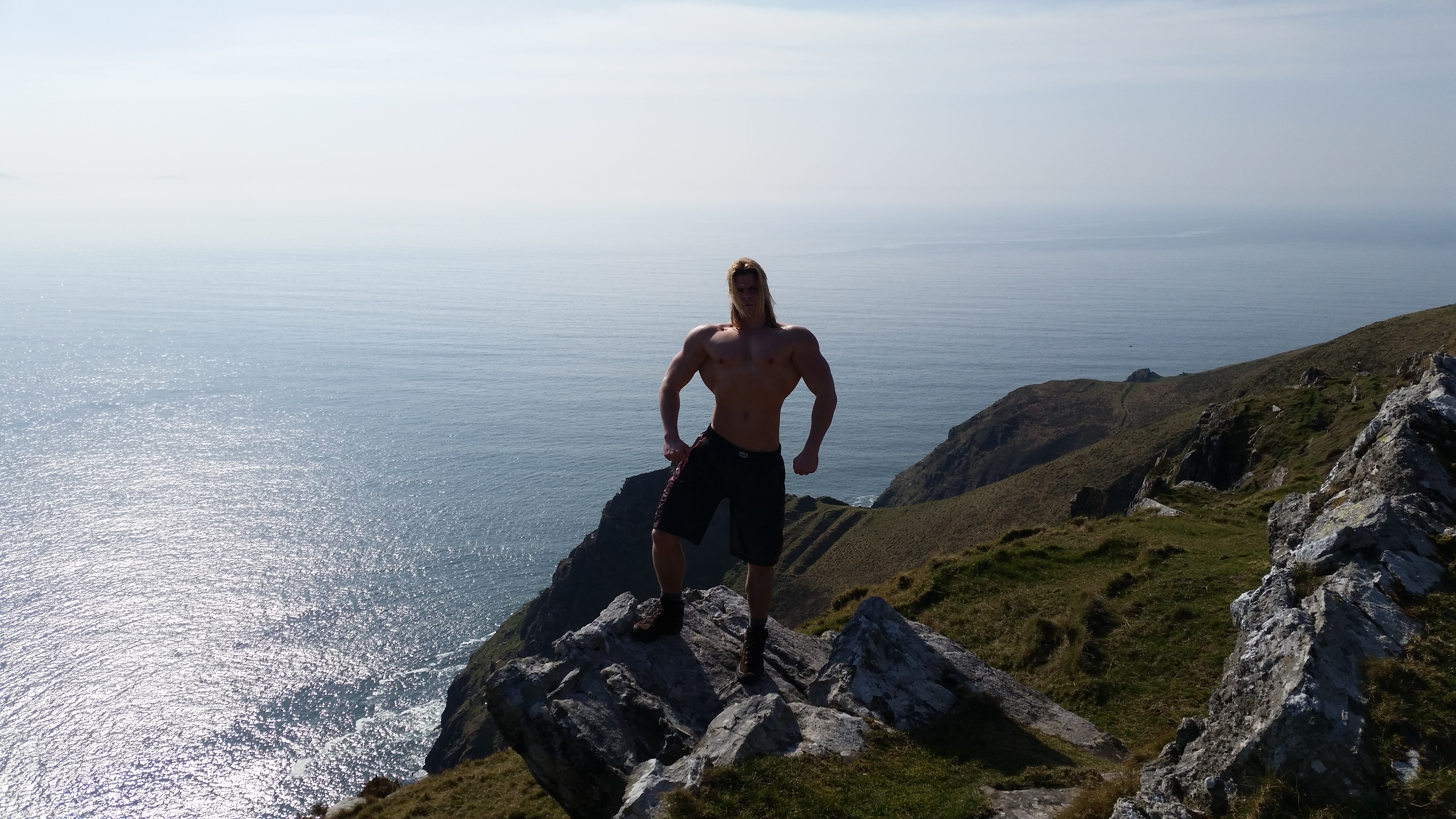
I have been to Merry Old England twice – far too little time to investigate the many sacred places there. Alas, I am reluctant to travel to the United Kingdom at the moment because of the totalitarian nature of its regime. Perhaps one day I will go back and make a pilgrimage to the various sacred sites. As for the author’s statement regarding the Archangel Michael, I present it without comment at this particular moment (we will return to the subject another time). Pictured below: Although not in England but across the sea in Ireland, I still remember being imbued with the spirit of King Arthur at this time.
Pagan Egregore
The author shares the following interesting thought:
‘Yet, despite all the efforts to eliminate them, the old gods have managed to survive. In my story “Master of the Starlit Grove,” in the collection of the same name, I introduce the idea of a pagan egregore, that is to say a thoughtform on the etheric place, created by many people thinking the same thoughts, working with the same symbols, and focusing on some powerful central idea. The story puts forward the idea that, at the time of the forced Christianization of Europe, a group of Pagans came together and created an egregore as a sort of ark to preserve paganism until the influence of Christianity diminished and the old gods could reemerge.
Christopher McIntosh – The Call of the Old Gods. Pages 116-117.
This is of course fiction, but I believe there is something like a pagan egregore, which has helped the gods to live on over the centuries.’
I can confirm that our Gods are awakening!
Prague
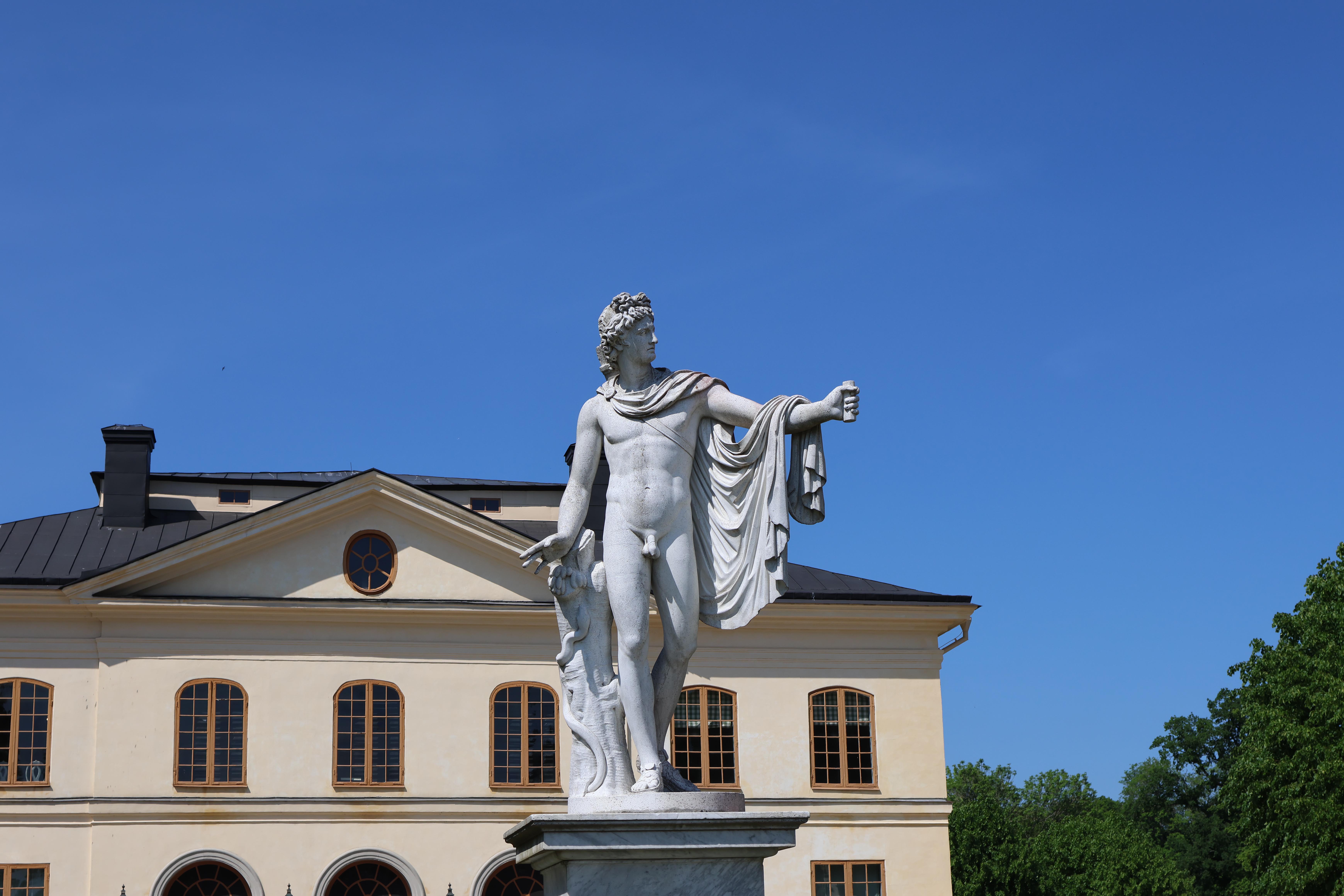
The author notes the following about Prague (which he visited both during Communist and post-Communist times):
‘I had the impression the place had gone a bit too far in the opposite direction after throwing off the communist yoke.’
Christopher McIntosh – The Call of the Old Gods. Page 108.
Like any man of culture, the author does not appreciate the homogenising effects of globalism.
Speaking of Prague, he later shares the following:
‘One of the highlights of our visit was a guided tour of the alchemy museum, Speculum Alchemiae, featuring a well-preserved alchemical laboratory that had been created on the initiative of Rudolf II, Holy Roman Emperor from 1576 to 1612. Because alchemy was frowned upon by the church, the laboratory was highly secret. It was hidden in the cellar of a building in the Jewish quarter that was ostensibly an apothecary’s shop. The emperor had gone there by way of a secret tunnel running beneath the river Moldau to the royal palace on the opposite side.’
Christopher McIntosh – The Call of the Old Gods. Page 196.
I will keep this place in mind when I visit Prague (I have nothing planned at the moment, but I am bound to go there sooner or later).
Marija Gimbutas & the Old Europe Theory
In a chapter discussing a visit to the Baltic countries, the author shares the Old Europe theory of the Lithuanian archaeologist and anthropologist Marija Gimbutas. The theory postulates that Europe was inhabited by peaceful and matriarchal Early European Farmers before being conquered by the violent and patriarchal Indo-Europeans. This theory has been proven false. The Early European Farmers were both patriarchal and extremely violent.
Conclusion
The book is 233 pages and I enjoyed reading it! As the title suggests the author takes you along his life journey over many decades.



 The Golden One
You must be logged in to post a comment.