Journeys in the Kali Yuga by Aki Cederberg
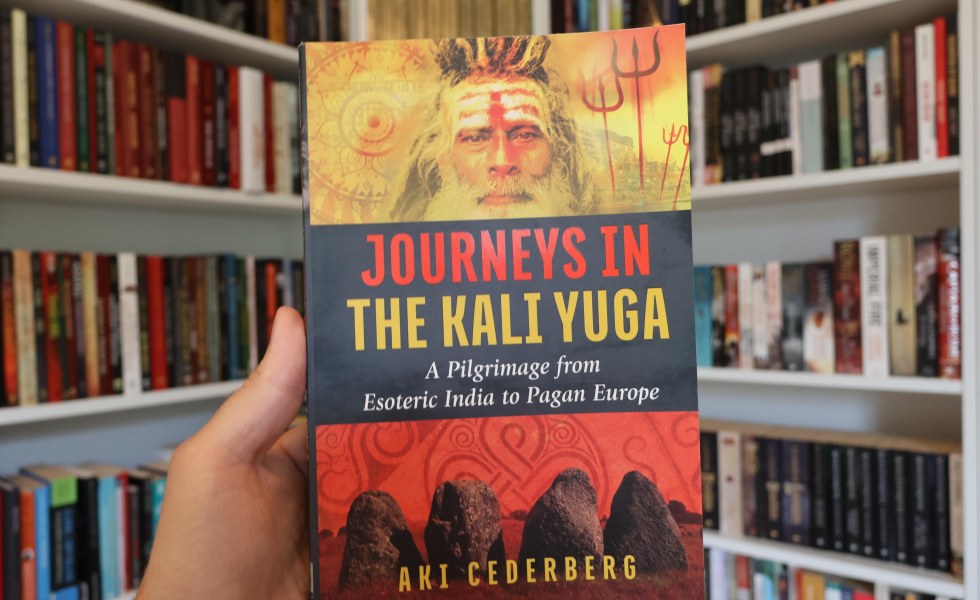
I have read Journeys in the Kali Yuga – A Pilgrimage from Esoteric India to Pagan Europe by Aki Cederberg. I first heard of the author a while back as he was interviewed by our esteemed friend Thomas Rowsell. The main topic of this interview was Cederberg’s recently published book Holy Europe (which I have begun reading). I deemed it reasonable to read his first book first, and I am glad I did so.
An Honest Travel Account of India
I have never been to India myself, but always thought that I would eventually go there, mainly as an enthusiast of history. This account (among similar ones) made less motivated to do so:
‘Life out of balance in hellish, overcrowded, methane-smelling metropolises, and in shitty, surreally poor villages. The never-ending slums, the shacks and huts in the dirt, the bolted doors of temples. People literally living in public toilets. The constant screams, screeches, and car horns. The everyday explosions of bombs made to either destroy or delight./…/ The endless barking dogs under gray, polluted skies where no stars are visible. The hecklers, beggars, thieves, amputees, the bereaved children with deeply set, dark eyes.’
Journeys in the Kali Yuga – Aki Cederberg. Page 4.
I am sure one can see plenty of beauty in India as well, but I suppose some research should be done beforehand to avoid this type of experience.
Western Hippies
The author does not have much nice to say about the neohippies that are drawn to the spiritual scene in India:
‘Rishikesh was also crowded with a particular brand of foreign travellers – the smug neohippies that sport a strange kind of hip arrogance and a steady stoned gaze, who often wander around scantily clothed and behaving in an inappropriate manner, giving Westerners the reputation they sometimes have and affecting how foreigners are treated (for example, being denied entry to many temples).’
Journeys in the Kali Yuga – Aki Cederberg. Page 70.
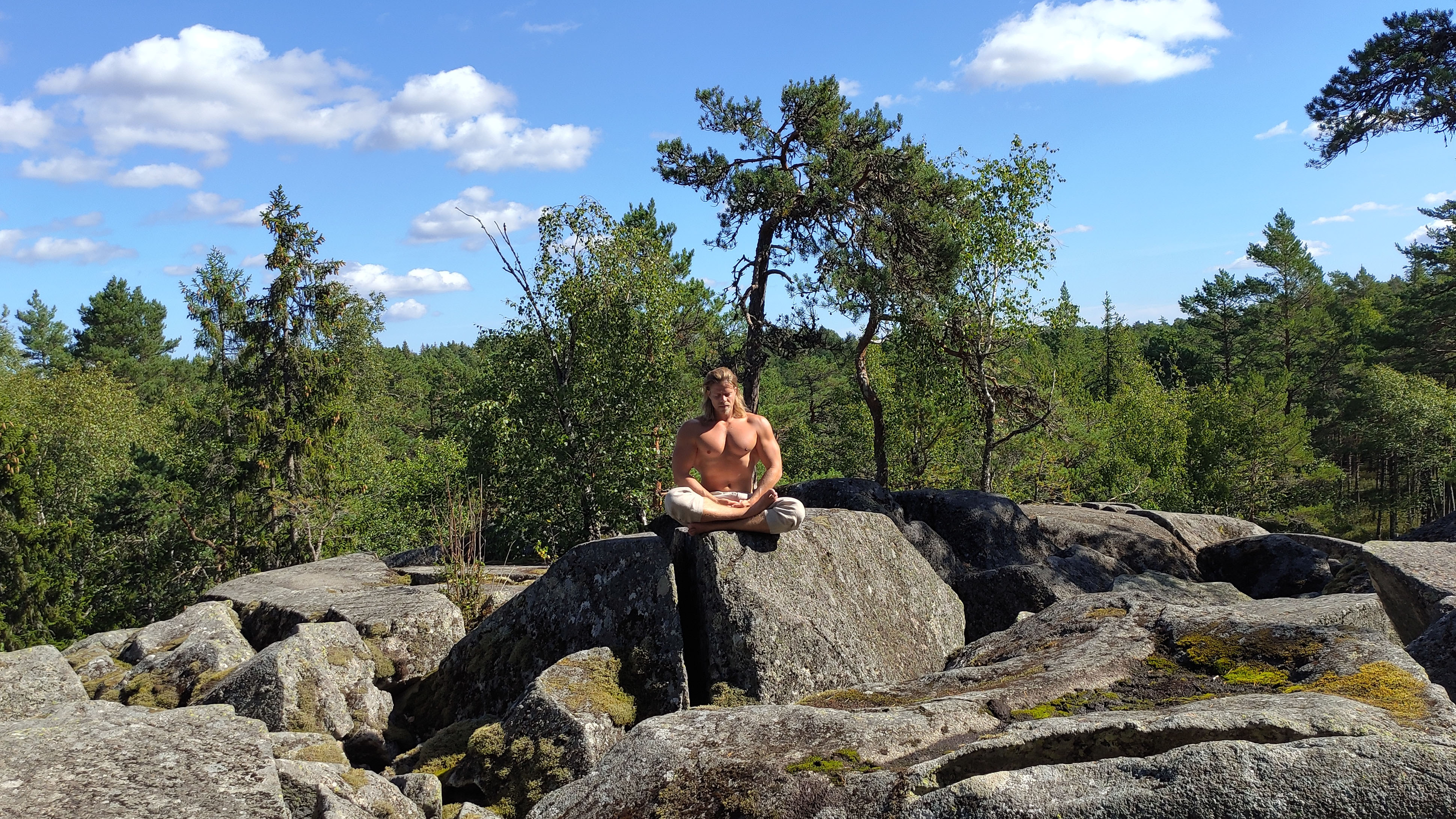
I am sure my esteemed readers know the type. I usually associate these types with drug enthusiasts who mask their true passion (drugs) with supposed spirituality. When I post about Vedic traditions, I do so because I like Evola (pictured below: after reading The Doctrine of Awakening).
Yoga and Eastern Spirituality
On a similar note, the author dispels some myths about Eastern spirituality:
‘In the West, people tend to associate “Eastern spirituality” (whatever the f*ck that means) and yogis with peace and love, with starry-eyed pacifism and feel-good harmony, but looking at these yogis of a genuine ancient tradition you could see how deluded that image actually was in reality. These yogis and Babas were not just ascetics – they were warriors. Traditionally and throughout history Naga Babas have been warriors and even today many of them have a background in the military. There was one Baba, for instance, who enjoyed showing a picture of himself using a metal rod to beat a guy who has falsely claimed to be a Naga Baba.’
Journeys in the Kali Yuga – Aki Cederberg. Pages 60-61.
Quite the contrast! Later in the book, the author notes something similar:
‘Often shunning its own inherent pagan traditions, lore, and wisdom, the West freely borrows and adopts foreign traditions from supposedly “more spiritual” (often more primitive) cultures and, ultimately, misappropriates them. The sedate, feminine, and commercial world of modern Western yoga, for instance, seems like the exact inverted mirror image of traditional yoga as I had come to see it in India.’
Journeys in the Kali Yuga – Aki Cederberg. Page 138.
Our Own Heroes
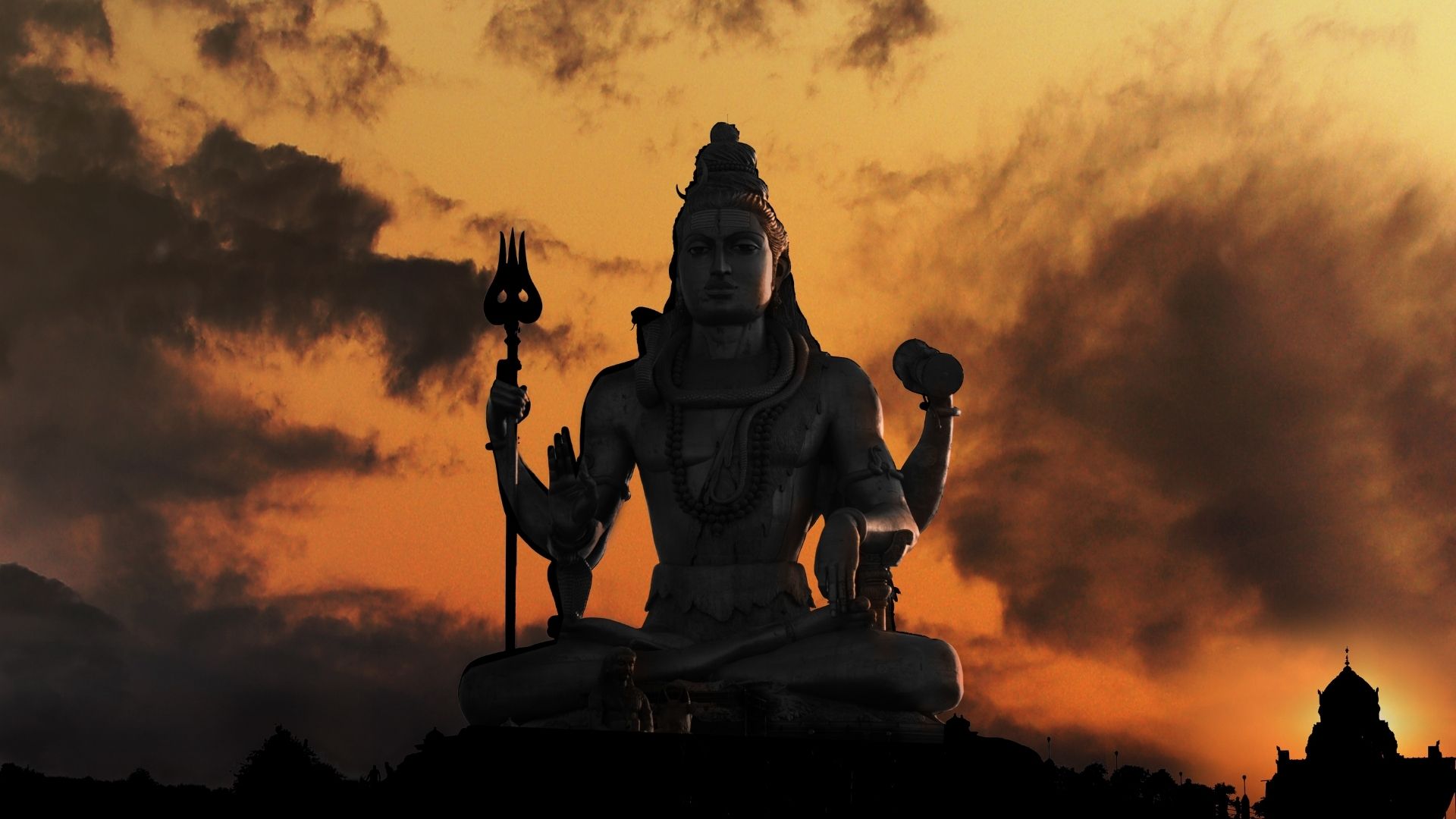
‘We have to become the hero of our own story, both in our personal lives and as a collective. All this might sound like a cliché, but in today’s post-whatever culture, it seems most truths are.’
Journeys in the Kali Yuga – Aki Cederberg. Page 83.
I appreciated this. Perhaps the main message of the book is that we should drink from our own well (as the saying goes). Being interested in (and finding insights from) other spiritual traditions can be good, but ultimately we must turn to our own European traditions to find home. With this in mind, the book serves as a good introduction to the author’s second book Holy Europe.
Conclusion
The book has 165 pages and is both entertaining and insightful. I enjoyed it and can definitely recommend it. Great stuff!



 The Golden One
You must be logged in to post a comment.