Pagan Magic of the Northern Tradition by Nigel Pennick

I have read Pagan Magic of the Northern Tradition – Customs, Rites, and Ceremonies by Nigel Pennick. As the title suggests, the book contains a treasure trove of insights relating to European (primarily British and Scandinavian) folklore and our magico-religious traditions.
Paganism is Participation
In the introductory chapter, the author shares the following well-formulated insight:
‘Ancient Pagan religions in Europe were concerned with rites and ceremonies; there was neither creed nor essential doctrines. All members of the family, clan, tribe, or nation participated in ritual activities, but belief was not demanded of the participants. There was no orthodoxy, and no heresy; participation was all that was required.’
Nigel Pennick – Pagan Magic of the Northern Tradition. Page 1.
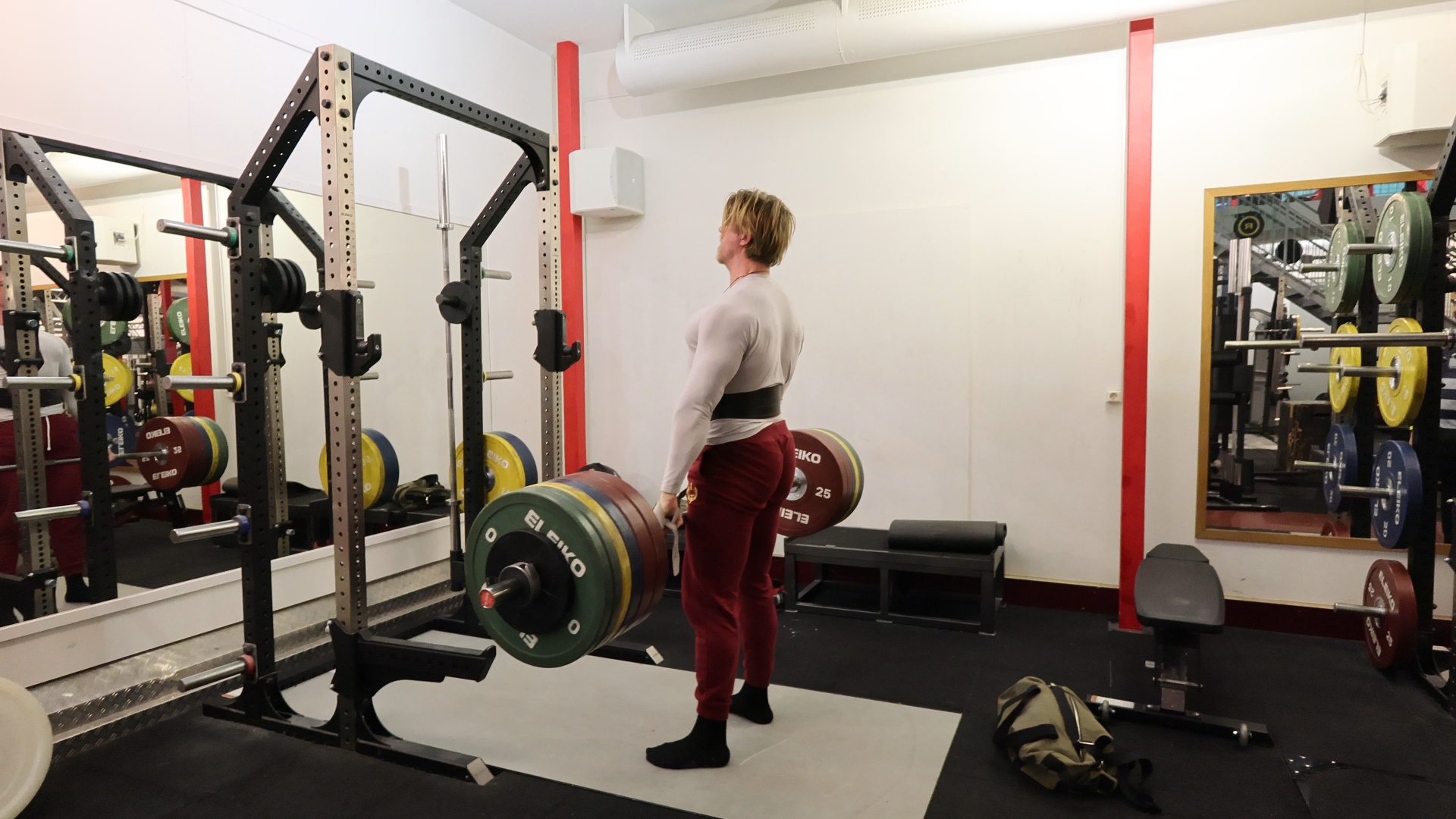
This is a vital insight when it comes to understanding the difference between Paganism and Christianity. Pictured below: I am participating in an activity that will enable Thor to bless me.
Might and Main
In the chapter titled Traditional Operative Magic, Philosophy, and Theory, the author shares the following:
‘The northern tradition views bodily powers as consisting of two separate but linked qualities: might and main. Might (Old English meath; Old Norse máttr) is the physical strength of the body, the energy within it that enables it to live, powering through its movements and actions. Main (Old English mægen; Old Norse megin) is the inner psychological strength that empowers the personality; it is transferable to other people and to objects.’
Nigel Pennick – Pagan Magic of the Northern Tradition. Page 28.
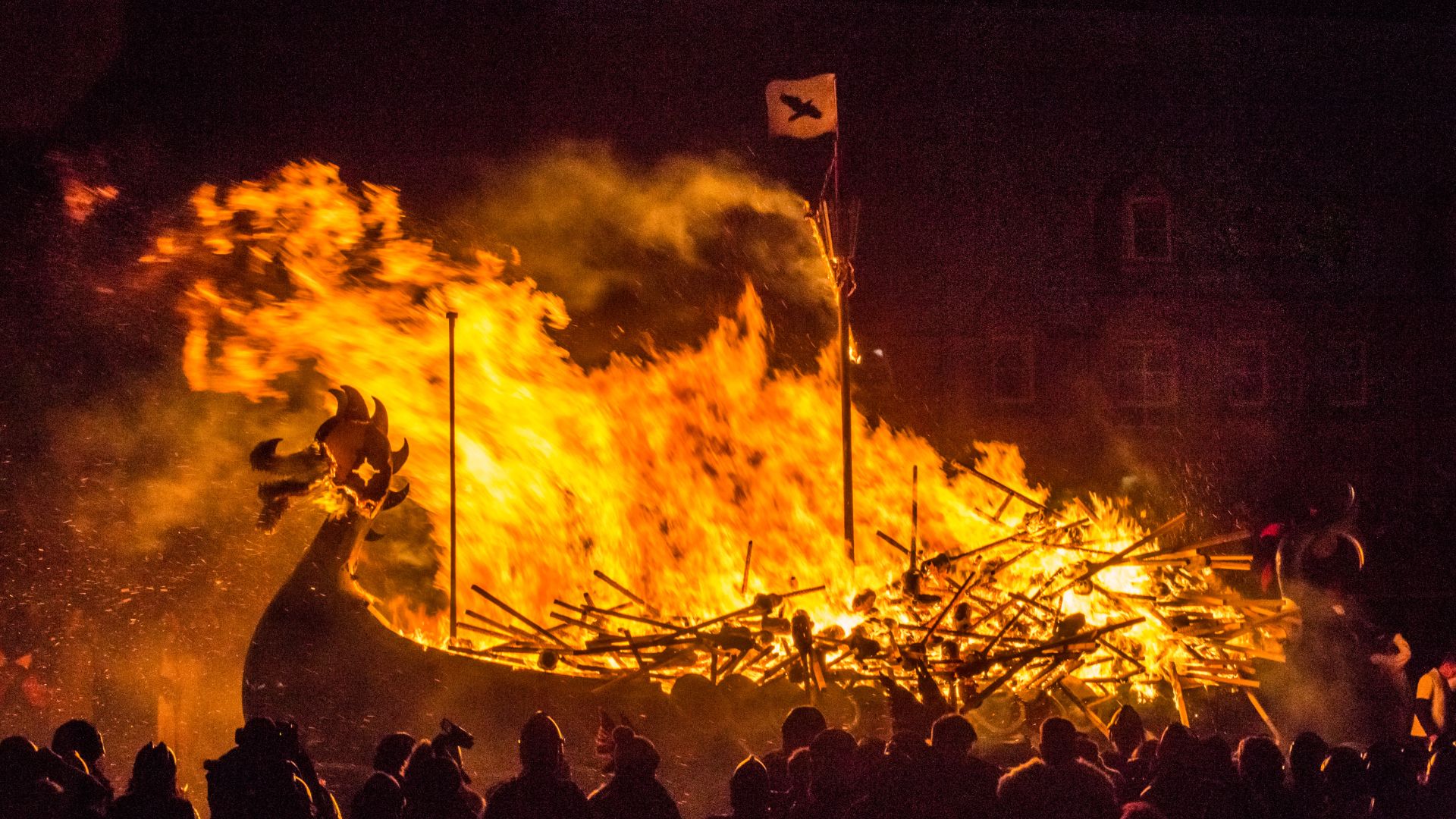
I elaborate on similar matters in Podcast Episode 45. Viking Worldview – I encourage you to listen to it if you have not already! Might and Main affect each other – when one is increased, so is the other (usually, at least). I will elaborate more on this later on – the Nordic soul complex is a fascinating topic.
The Creative Process
In the chapter titled The Craft and Magic of Buildings, the author shares a beautiful quote from the year 1210 from the poet Geoffrey de Vinsauf:
‘The imagination designs everything before the body performs the act. The pattern is first idea, then physical reality.’
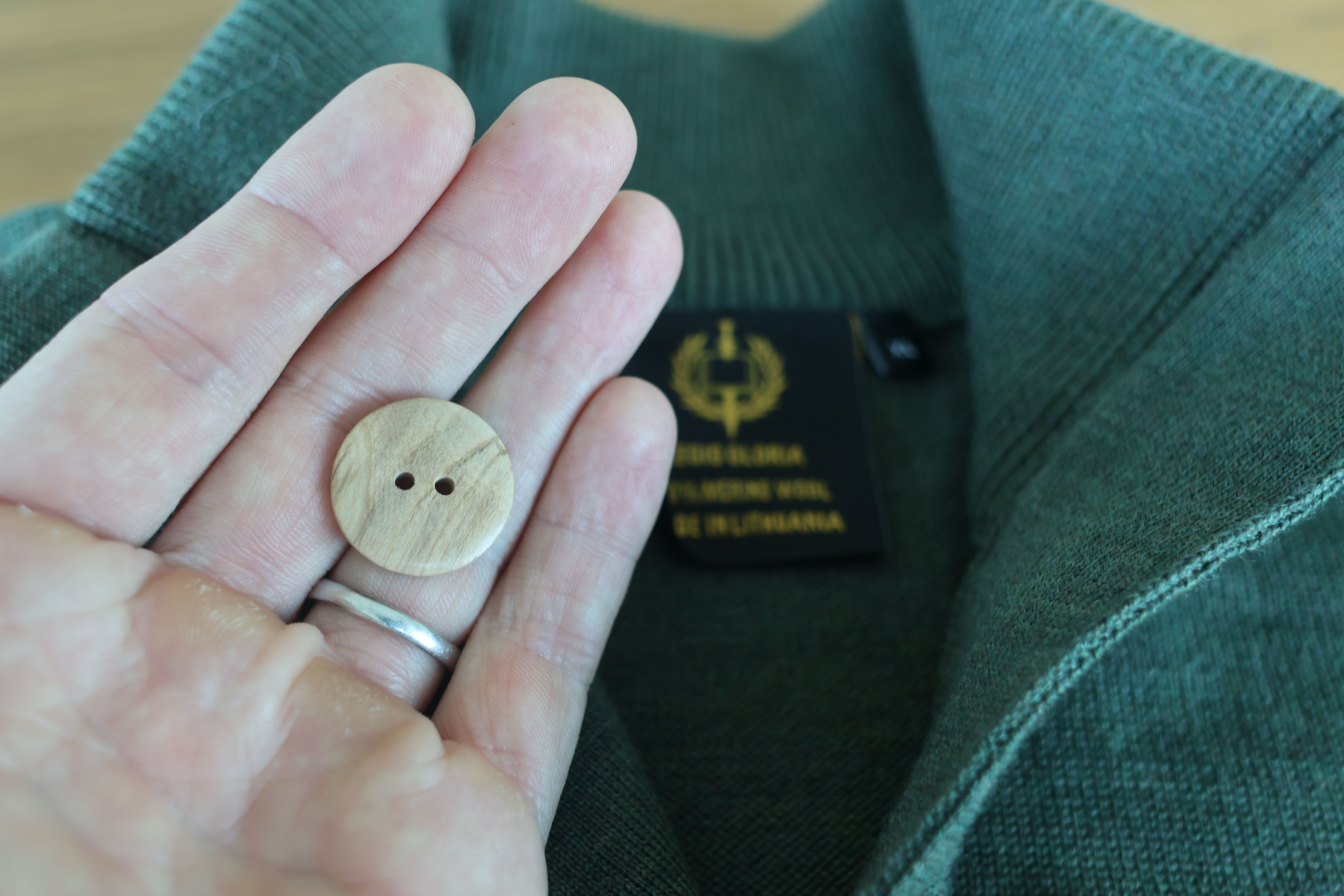
This is the very essence of magic – to create reality first in your mind. I do the same when designing clothes. I also do the same before heavy lifts in the Temple of Iron. I encourage my esteemed readers to try it the next time you train – see the lift with your mind’s eye before making the lift. Pictured below: Deciding upon the final details for an upcoming Legio Gloria garment.
Magic and Religion
In the chapter titled Practical Magic, the author shares the following:
‘There is no distinction between religion and magic in traditional societies. It is only a matter of semantics how we describe the saying of prayers, incantations, and making signs when something is done.’
Nigel Pennick – Pagan Magic of the Northern Tradition. Page 28.
This is a good insight when it comes to understanding the religious attitudes of our ancestors. This reminded me of Mircea Eliade’s teachings presented in The Myth of the Eternal Return (review).
Conclusion
I enjoyed reading Pagan Magic of the Northern Tradition and can definitely recommend it for those who are interested in European folklore. The book has 286 pages.





You must be logged in to post a comment.