Legio Gloria Merino Wool Autumn 2025
Posted on September 21, 2025
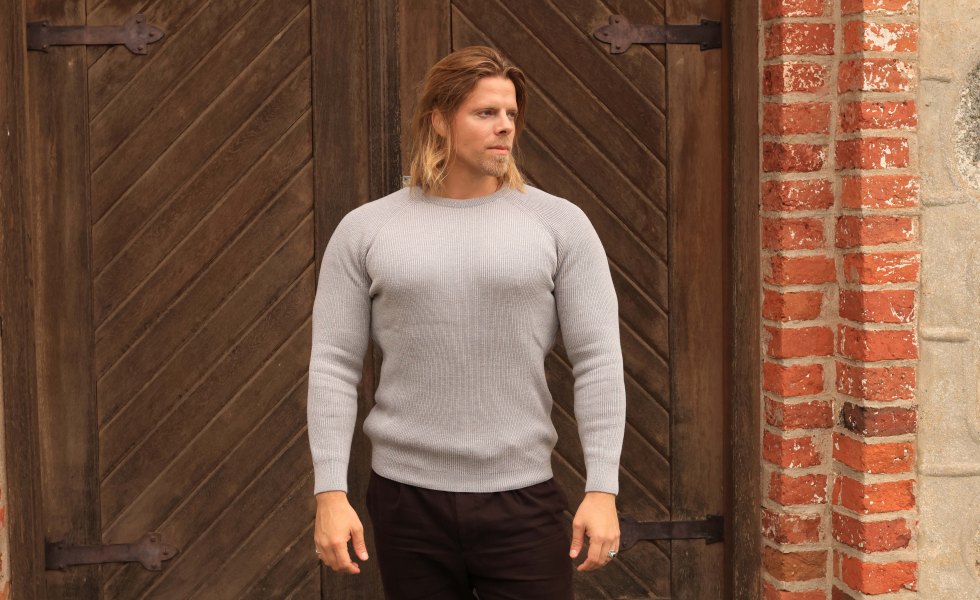
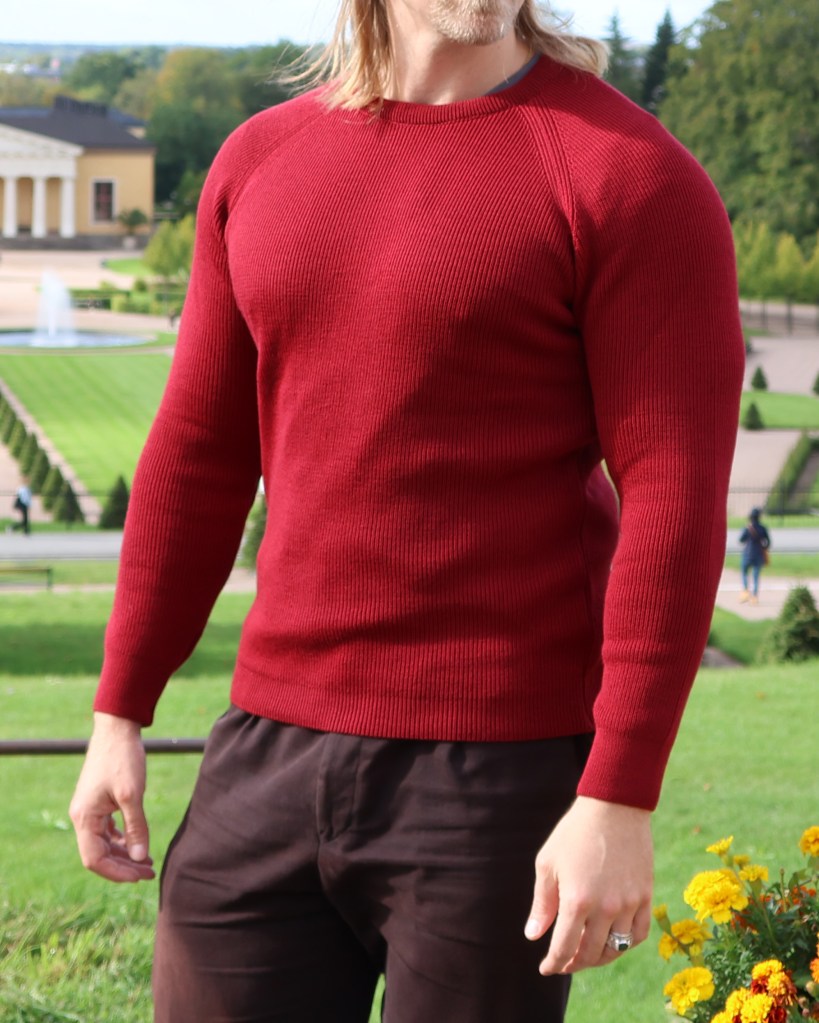
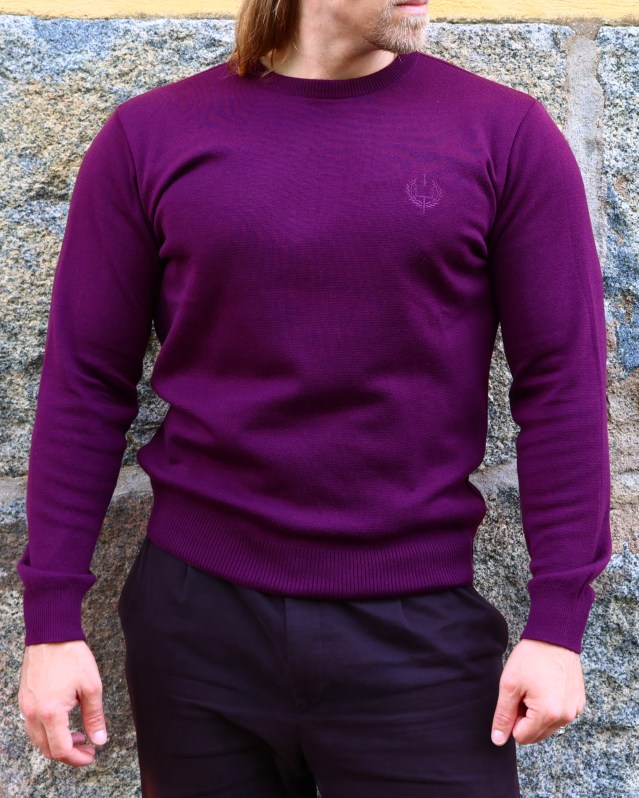
We are happy and proud to present four new merino wool garments. From Lithuania with love! The garment in the picture above is the Grey Gigachad Merino Wool Sweater, it is the same model as the popular Green Gigachad Merino Wool Sweater – ribbed and fitted! Below is the Burgundy Gigachad Merino Wool Sweater (which is also the same model) – I am especially happy with this one.
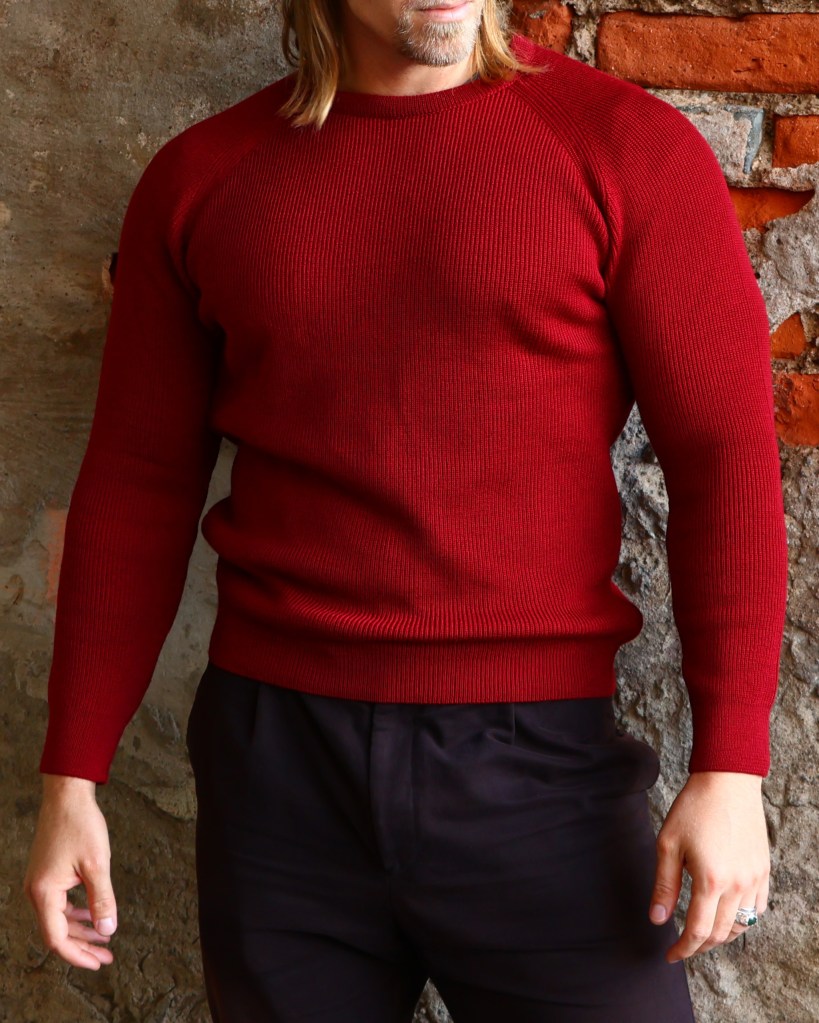
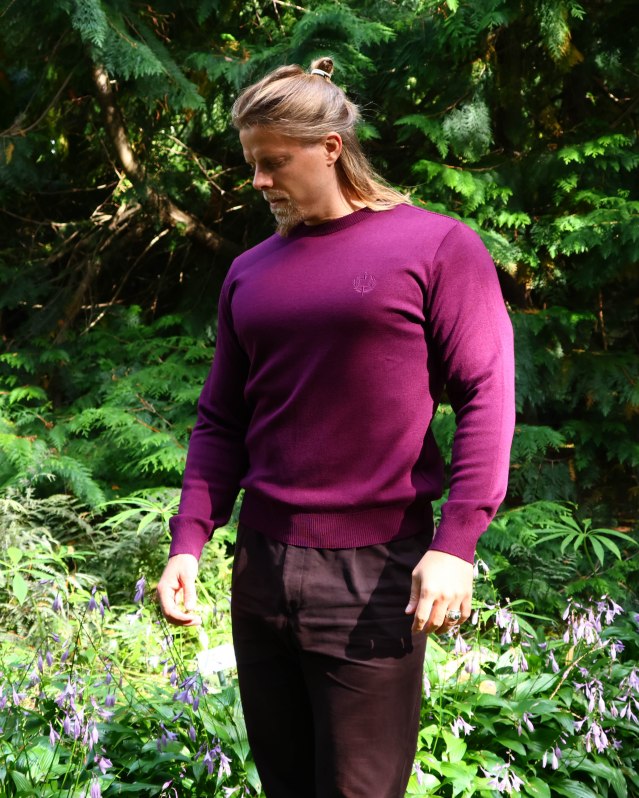
Below is the Tyrian Handsome Merino Wool Sweater, it is the same model as the Handsome Merino Wool Sweater. Quite the eye-catching colour! Very beautiful, if I may be so bold.
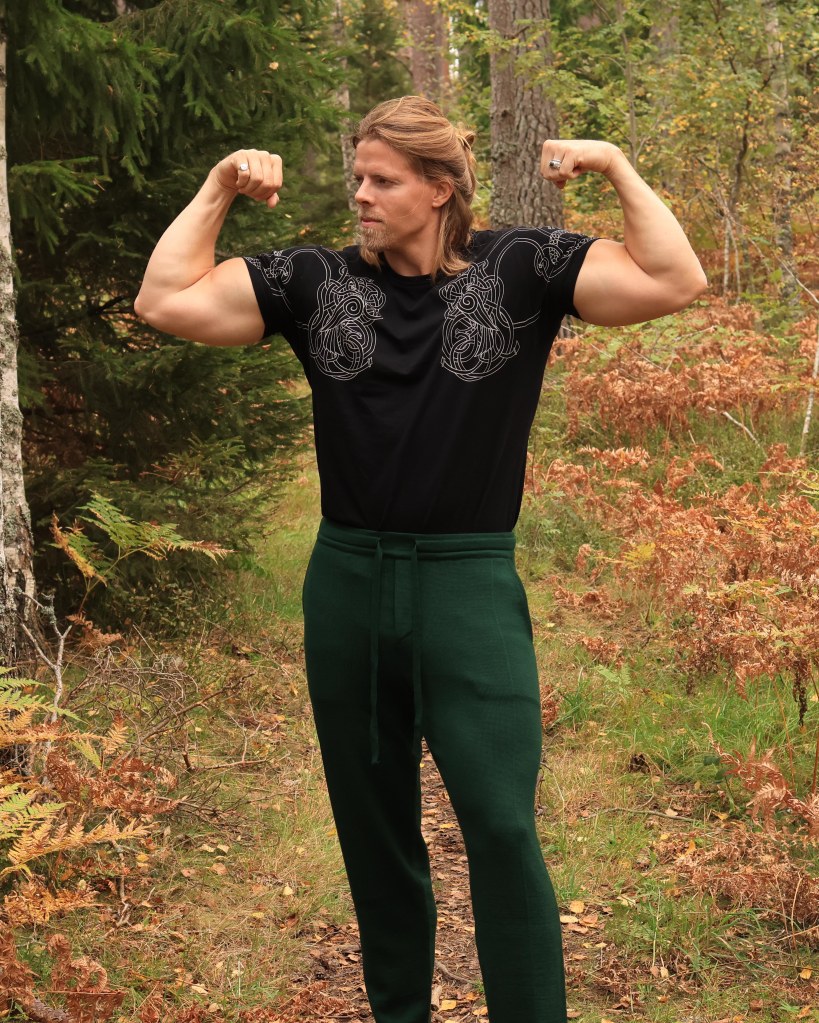
Below are the Wool Trousers of the Ages. I have used the prototype for these basically every day since March this year (except the warmest days of summer). Thus, I am happy to release the final product. Truly great stuff!
You can wear these for a wide variety of activities – composing poetry in your study, a harmonious forest walk, meditation, yoga, for example. Comfortable and aesthetically pleasing.

Head over to LegioGloria.com to check out the new releases. Onwards!
Fascism Viewed From the Right by Julius Evola
Posted on August 20, 2025
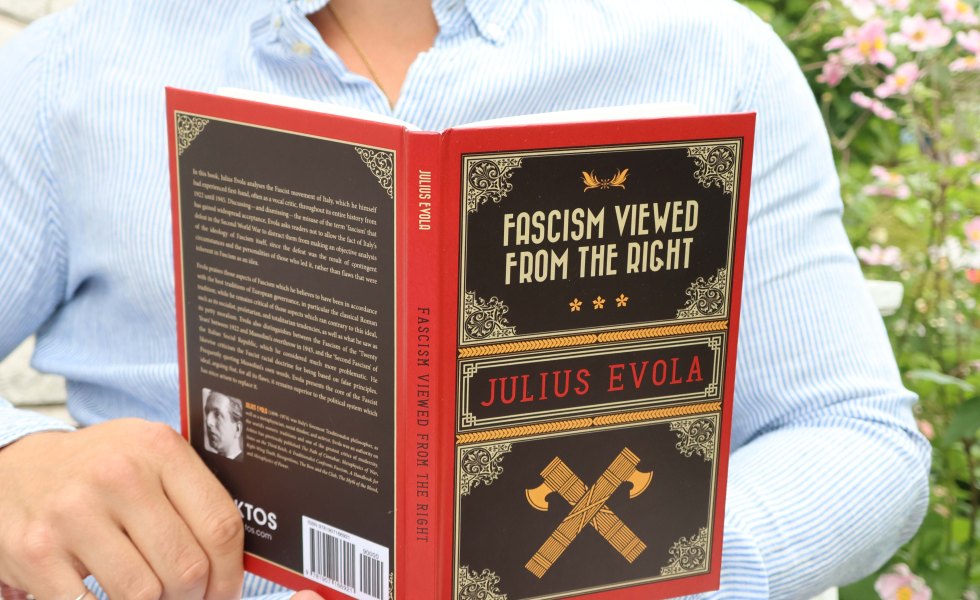
I have read Fascism Viewed From the Right by Julius Evola. As I have noted before, I prefer the good baron’s esoterico-magical writings, but his socio-political ones are also worth reading for a connoisseur such as myself! The book is quite concise (121 pages), and many of the insights presented are found in his other books. In this book, he aims to present a nuanced view of Fascism (looking at both the good and the bad). We have discussed Evola’s relationship with Mussolini and Fascism elsewhere (in summary: he was never a member of the party and had his disagreements with the Fascist regime).
An Animating Myth
Among the positive aspects he notes the following:
‘In the period that immediately followed the First World War, Italy presented itself as a secular state, in which the influence of Freemasonry was considerable, with a weak and mediocre liberal democratic government and a monarchy without real power; in other words, constitutional and parliamentary, a state that on the whole lacked a ‘myth’ in the positive sense, that is, a superior animating and formative idea that could have made of it something more than a mere structure of public administration.’
Julius Evola – Fascism Viewed From the Right. Page 30.
This related to what I talk about in Demigod Mentality (The Story of Who We Are). He goes on to say the following:
‘Thus, the merit of Fascism was, above all, to have revived in Italy the idea of the state and to have created the basis for an active government, by affirming the pure principle of authority and political sovereignty.’
Julius Evola – Fascism Viewed From the Right. Page 30.
One-Party State
As the late and great Jonathan Bowden once noted, Evola criticised Fascism for not being Right-wing enough, not hierarchical enough. Evola did not like the mass-movement aspect of it all. Evola says the following of the one-party system.
‘The true state – it is hardly necessary to say this – does not admit the rule of parties (partitocrazia) of democratic regimes. Parliamentary reform, which we shall talk about in a little while, undoubtedly represented one of the positive aspects of Fascism. However, the conception of a ‘one-party state’ is absurd. Because it belongs exclusively to the world of parliamentary democracy, it is only irrationally that the idea of a ‘party’ can be preserved in a regime opposed to everything that is democratic.’
Julius Evola – Fascism Viewed From the Right. Page 57.
He goes on to note that a ‘party‘ means to be only a part – a state within a state. The true state, in contrast, is a whole. In the same chapter he states the following:
‘Even after the conquest of power the Fascist party was committed to being a mass party. It opened itself up, instead of purifying itself. Instead of making membership in the Party appear a difficult privilege, the regime practically imposed it on everyone.’
Julius Evola – Fascism Viewed From the Right. Page 59.
Again, Evola did not appreciate the mass-movement aspect of Fascism and preferred the rule by a small elite. On a similar note related to the party – as we have noted elsewhere, Evola wanted to enlist as an officer to fight against the Soviets, but his applications were rejected since he was not a member of the party. So his aversion can be seen from both an intellectual as well as a personal perspective.

Monarchy
The following quote summarises his position on monarchy quite well.
‘We can reasonably affirm that a true Right without the monarchy ends up deprived of its natural centre of gravity and crystallisation, because in almost all traditional states the principal reference point for realizing the independent and stable principle of pure political authority has been the crown.’
Julius Evola – Fascism Viewed From the Right. Page 50.
Well stated! He elaborates further on the relationship between the Fascist regime and the monarchy in the book. I have discussed my own views on monarchy elsewhere, and will return to the topic later on as well.

Traditional State vs Totalitarian State
Evola shares the following profound and inspiring insight:
‘The traditional state is organic, but not totalitarian. It is differentiated and articulated, and admits zones of partial autonomy. It coordinates forces and causes them to participate in a superior unity, while recognising their liberty. Exactly because it is strong, is does not need to resort to mechanical centralising, which is required only when it is necessary to rein in in a shapeless and atomistic mass of individuals and wills, from which, however, disorder can never be truly eliminated, but only temporarily contained.’
Julius Evola – Fascism Viewed From the Right. Page 42.
He goes on to note that the true state is all powerful, but is not doing all – meaning that it holds absolute power (beyond the ‘rule-of-law’), but does not meddle in everything. So, quite the opposite of today’s European regimes where the state does not hold absolute power (but has to contend with other forces within society), yet at the same time meddles in every aspect of the lives of its citizens.
Pro-Natalist Campaign
Evola labels the Fascist pro-natalist campaign ‘odious’, and the notion that ‘number is power’ is a principle contradicted by history since ‘numbers’ have always been subjugated by small, dominating groups. This criticism of the Fascist regime by Evola comes as no surprise for those who are familiar with his views. He notes:
‘Empires have been created by these groups, and not by a demographic overflow of masses of the dispossessed and pariahs flooding over the lands of the rich with no other right but their poverty and procreative incontinence.’
Julius Evola – Fascism Viewed From the Right. Page 46.
He goes on to note that the population of Italy at the time was already excessive. I will discuss this matter at length later on. For now, I can say that it is an unworthy and unloving attitude to view children (which are a divine blessing) as numbers to bolster a demographic situation. To speak of our issues today, it is clear that our own birth-rates will not change our destiny – only remigration will. It is also not desirable to uphold a system that requires a constantly growing population.
A Statement by Sulla
Evola recalls a statement by Sulla which I thought was insightful – said ambition was not to possess gold, but to hold power over those who possess it. This is an interesting statement which deserves further attention (I will discuss it at length in a coming podcast episode).
Conclusion
The book has 121 pages. It is not one of Evola’s more captivating books, and I would not necessarily recommend anyone start with this title. Metaphysics of Power is a better starting point (and contains more valuable socio-political insights). For the Evola connoisseur, however, it is, again, well worth a read!
Holy Europe by Aki Cederberg
Posted on August 19, 2025
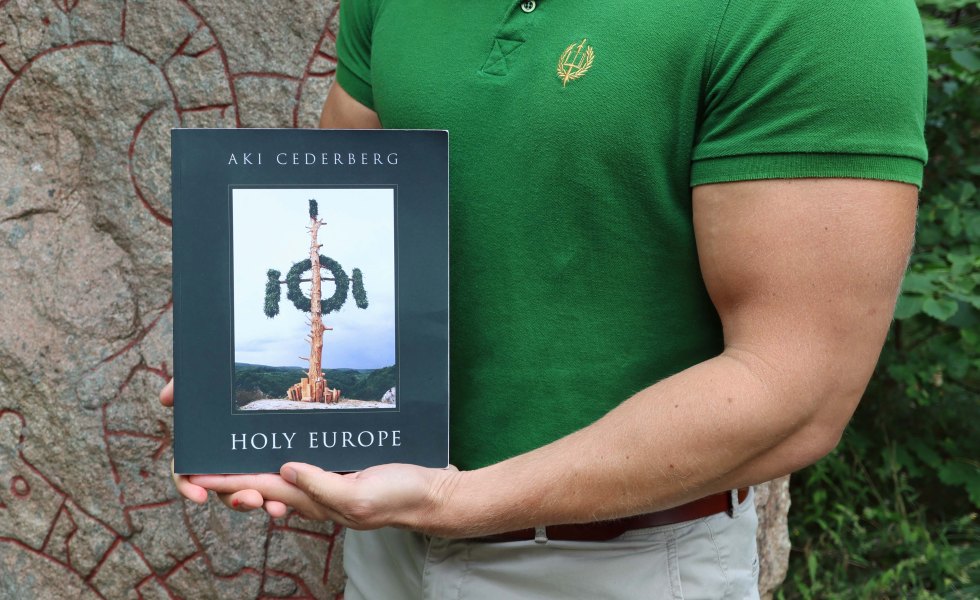
I have had the pleasure of reading Holy Europe by Aki Cederberg. I will straight away say that it is a great book, and I encourage you to read it. It is one of those books that it felt as well as read. Just as his first book, Journeys in the Kali Yuga (review), it is a travel account with plenty of valuable spiritual and historical insights.
Subversion of Nordic History
In the beginning of the book the author makes it clear where he stands in the great struggle of our time – he is on our side (the pro-European side).
‘Lately, we have been witness to never-ending attempts at subverting the Nordic peoples’ understanding of themselves, their connection with their native soil and ancestors, as well as attempts to dismantle their traditions, history, and spiritual world. Historical research has been falsely presented by the media to further political ends.’
Aki Cederberg – Holy Europe. Page 15.
He shares similar sentiments throughout the book, which lends credibility to his views.
Lithuania
As author details his journeys in Lithuania, he introduces Romuva (the native Lithuanian religion) thus:
‘As is the case throughout much of European paganism, in the Lithuanian tradition the pantheon of numerous gods and goddesses forms a multifaceted, polytheistic world. And yes, simultaneously, these gods and goddesses are often seen as emanations of a central godhead. This supreme deity remains unknowable to man – he can approach it only through its various aspects. The manifest world is thus a magical place, populated by the different personalities and aspects of god, forces both creative and destructive.’
Aki Cederberg – Holy Europe. Page 27.
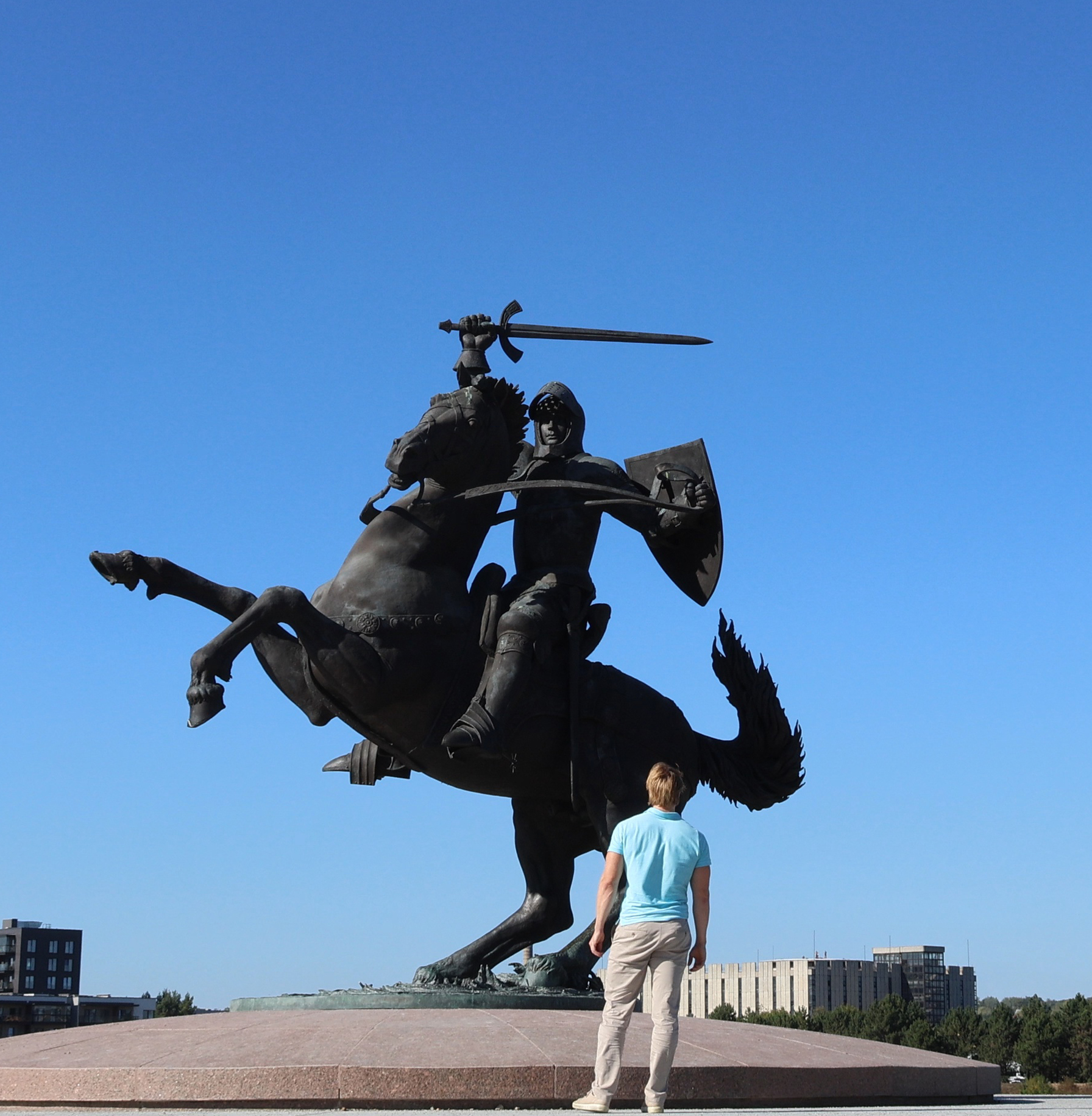
I also got plenty of inspiration for places to visit for my next trip to Lithuania (I will go there again soon to plan coming linen and wool garments for Legio Gloria). Pictured below: Fashion Designer & Esotericist in Kaunas, Lithuania.
Lucifer’s Court
I was happy to discover that the author dedicated a chapter to his travels in southern France – following in the footsteps of Otto Rahn. Speaking of which, Lucifer’s Court (review) and Crusade Against the Grail (review) were some of the first esoteric books I read. We will return to Otto Rahn in a coming review.
‘Rahn was a Luciferian. For him, Lucifer was not the devil of the Christians, but the light bearer cast out of heaven, whose enemy was the false Jehovah and the Demiurge, who sought to control and keep mankind locked in ignorance, stupidity, and suffering. Lucifer was Apollo of the Greeks, the Balder of the Germans, the Lugh of the Celts, the Abellio of the Pyrenees – the protector of higher powers and the bringer of light.’
Aki Cederberg – Holy Europe. Page 75.
One theory is that the Grail is a stone that fell from Lucifer’s crown when he fell from heaven.
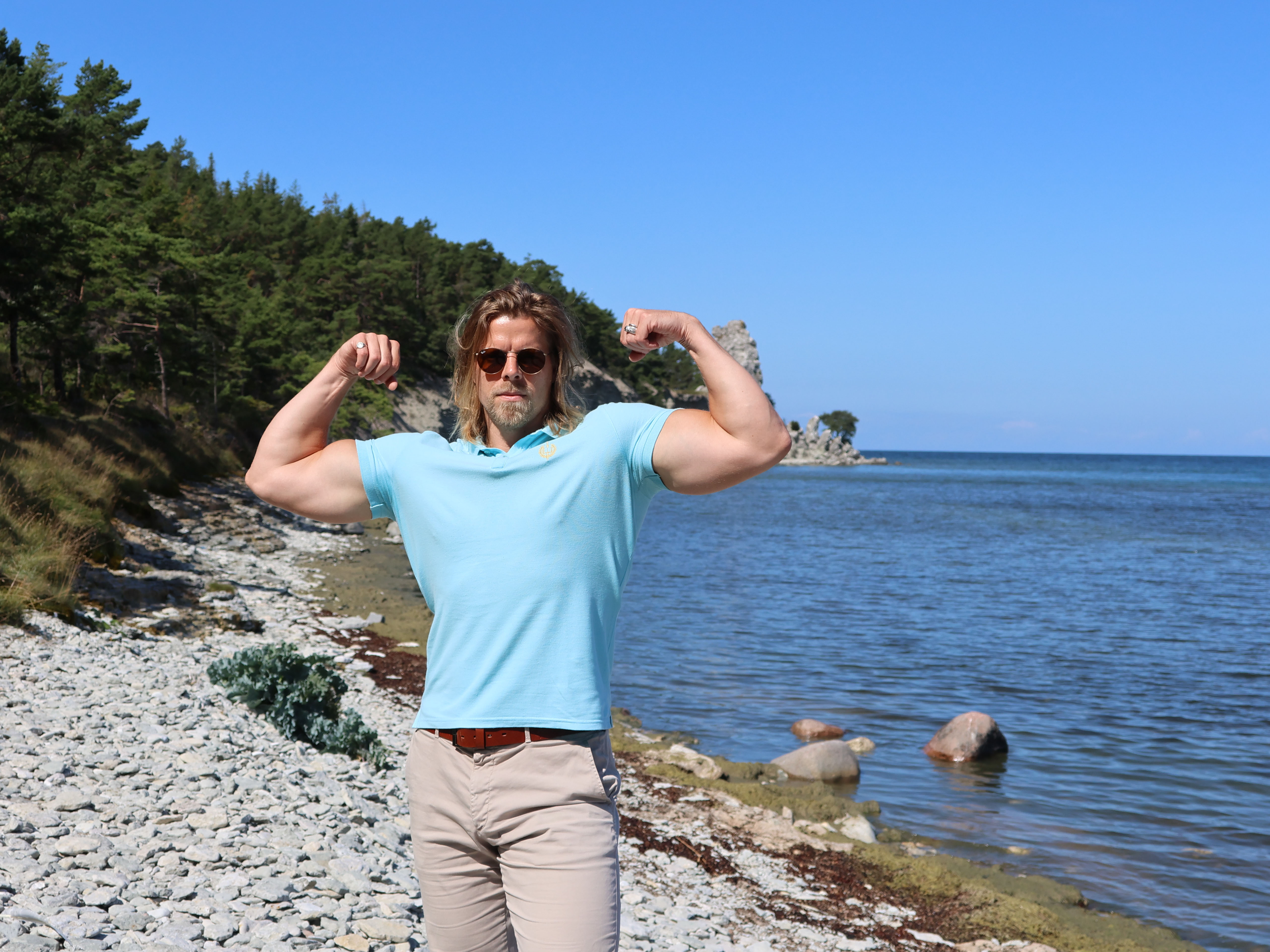
Pictured below: Checking in from another part of southern France (Bayonne). One day, I must travel to Montségur.

Finnish Soul Complex
Sweden and Finland share a long history together, and I have always held the Finnish in high esteem. Thus, it was interesting to become further acquainted with Finnish spirituality. The author dedicates a chapter to this.
‘The conception of the soul in the Finnic spiritual tradition is threefold: it is divided into a bodily soul, called löyly or henki (lit. “breath”); a personal soul, itse (“self”); and an external guardian spirit attached to a person called luonto (“nature”) or haltia.’
Aki Cederberg – Holy Europe. Page 293.
He notes that the guardian spirit is very similar to the Germanic Fylgja.
‘The spiritual tradition of a people is not an ideological system, but its native and natural way of approaching the holy and revealing timeless truth. It is the spirit of a people manifesting to itself. Among the Finns, this is perhaps nowhere more apparent than in the sauna. The sauna is a Finnish temple, a place between worlds. Löyly, the word that describes the steam rising from the hot stones when one pours water on them, means spirit, breath, and life. It is synonymous with the physical part of the threefold soul-complex. This vital force, the “sweat of old Väinämöinen” and the guardian spirits, is what we invoke in the sauna.’
Aki Cederberg – Holy Europe. Page 326.
As a life-long enjoyer of the sauna, this was an interesting insight. I will meditate upon this later in autumn as I sauna.
Gabriele D’Annunzio
The author made a pilgrimage to pay homage to the great Gabriele D’Annunzio. In the chapter detailing this visit he also noted the following (which I found hilarious):
‘In Venice, D’Annunzio threatened to “throw himself in the canal” unless a suitably serene villa was found for him somewhere in northern Italy.’
Aki Cederberg – Holy Europe. Page 231.
True to style. Good stuff! I will be sure to visit some of these sights one day as well. When in Italy I will, of course, also pay homage to Evola.
European Unity
As I have noted before, European unity is a must. This does not mean that we have to accept the EU as it looks today. Rather, it must be undergo a great transformation. Our shared history and shared destiny must imbue this transformation. The author states it beautifully:
‘Beyond surface-level cultural differences we seem to share a spirit in common, a similar understanding of the primary forces uniting and invigorating us, and a similar vision of what a united Europe should be. Of course, it would be wholly different from the globalist union ruled by market forces and bureaucracy that we have today. Petty regional disputes and even pettier financial would no longer cloud the vision of the greater spirit uniting us. That spirit would be the guiding light of Europe, anchoring it in eternal principles, in an understanding of both the distant past and the farthest future.’
Aki Cederberg – Holy Europe. Pages 269-270.
Well formulated. I am in complete agreement.
Conclusion
Again, I thoroughly enjoyed the book. It contains plenty of interesting insights. I now have plenty of places (the ones mentioned above are just a few of the countries discussed in the book) in Europe that I must visit in the coming years. Onwards!
Sacred Gotland
Posted on August 15, 2025

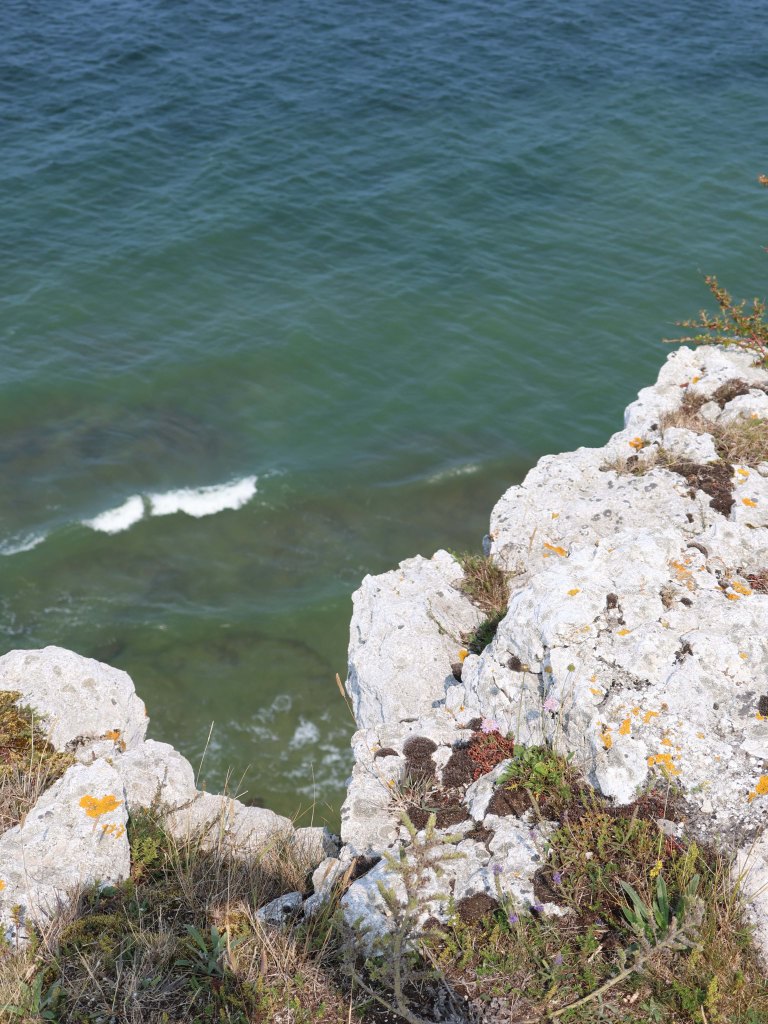
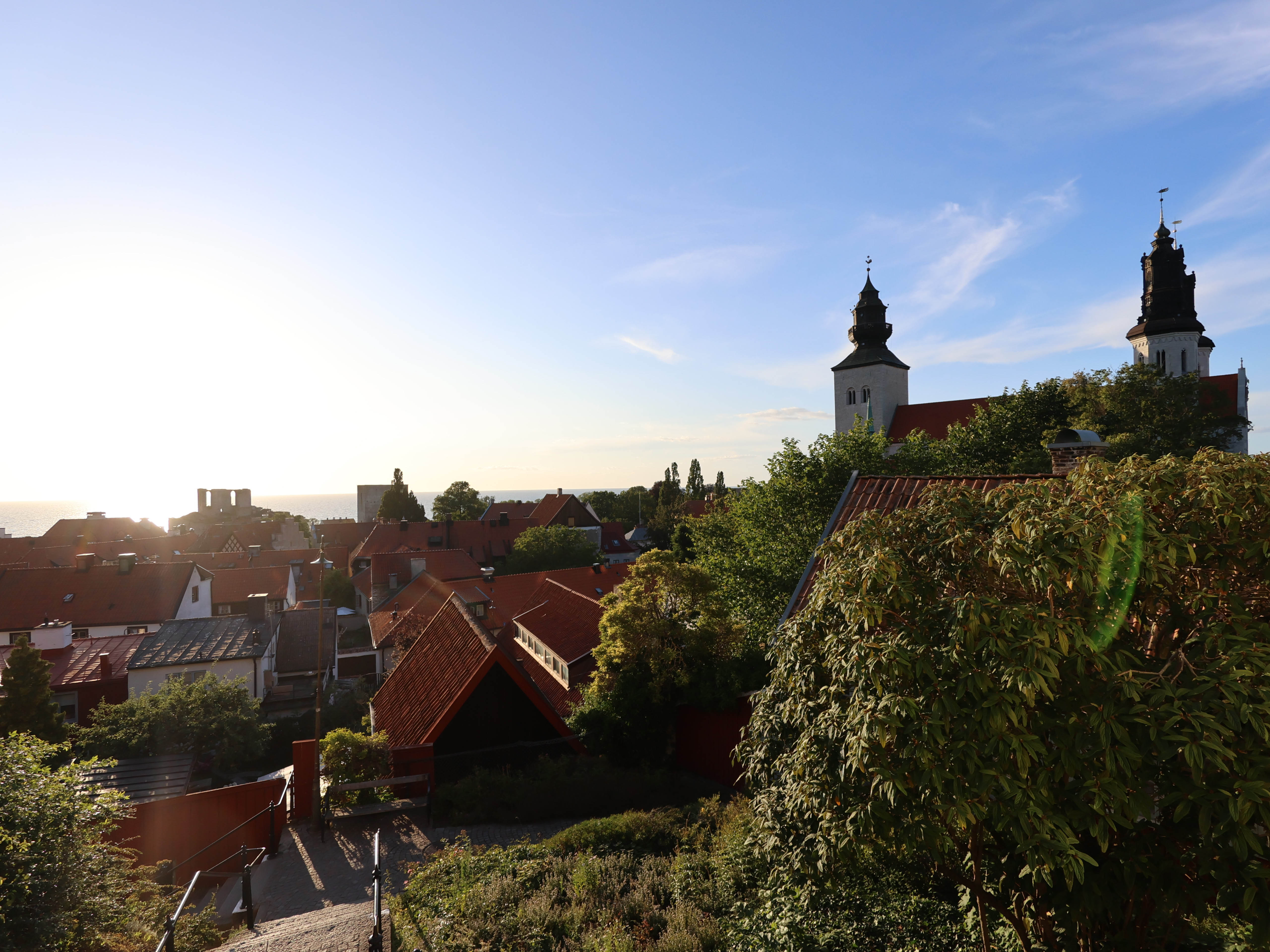
We are checking in from Visby, Gotland – one of the most beautiful places on earth. My thumos and joy are now back as a result, and I am ready for a productive autumn. Pictured below: A Neo-Hanseatic Battle-Merchant and a Wood Elven Prophetess in the botanical garden of Visby.

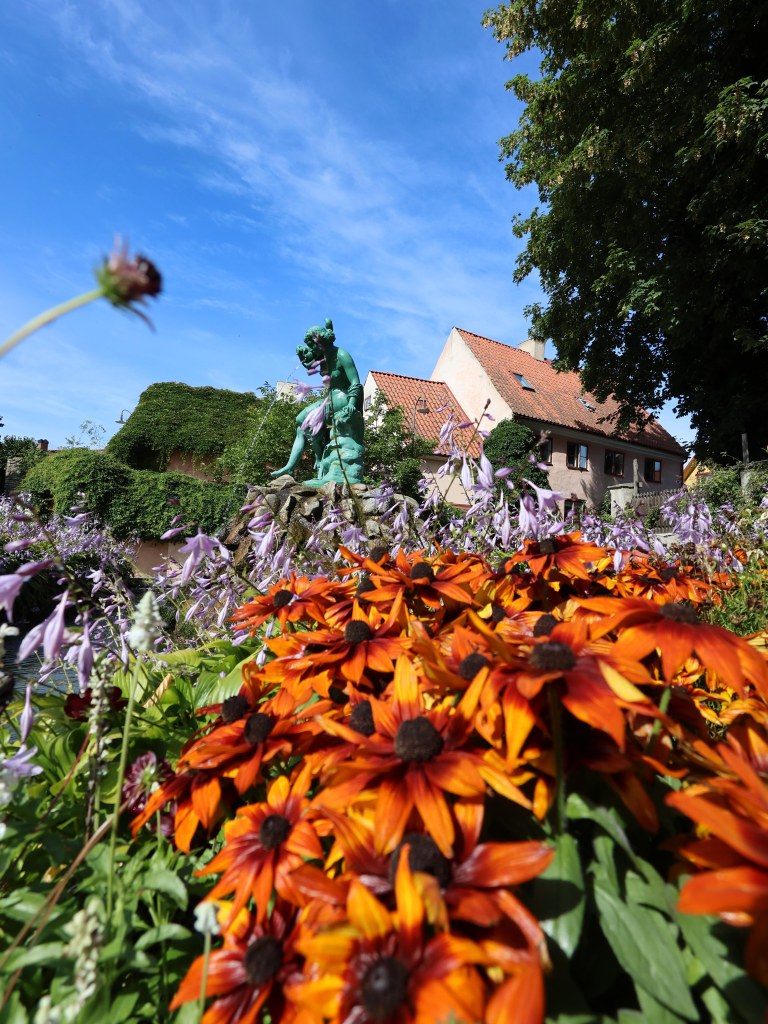
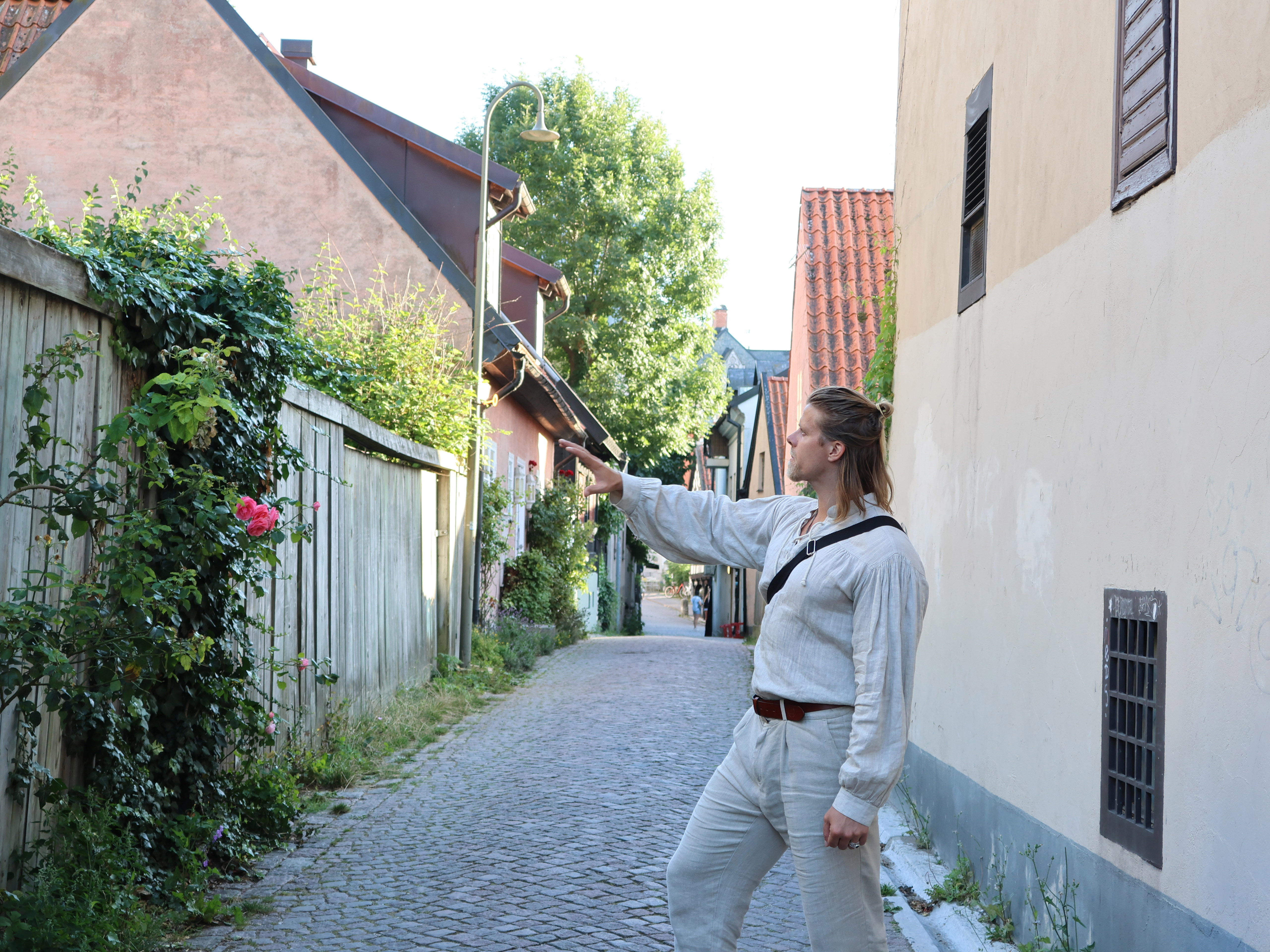
In addition to the beautiful botanical garden, roses grow throughout the town. The narrow streets and the walls also create an atmosphere of ultimate cosiness.
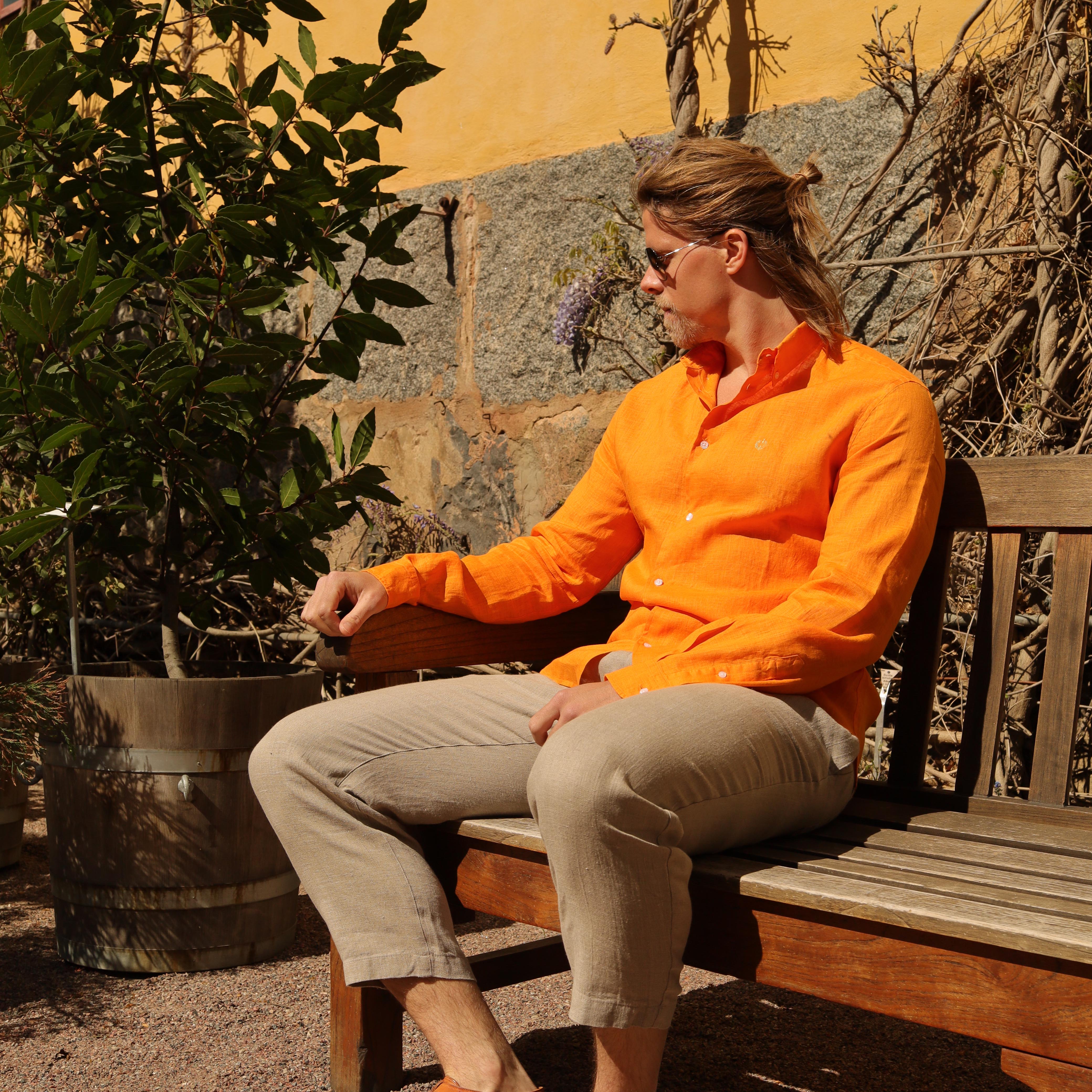
Wearing the Hanseatic Linen Shirt, Hyperborean Linen Trousers, the Leather Belt, and the Shoulder Bag.
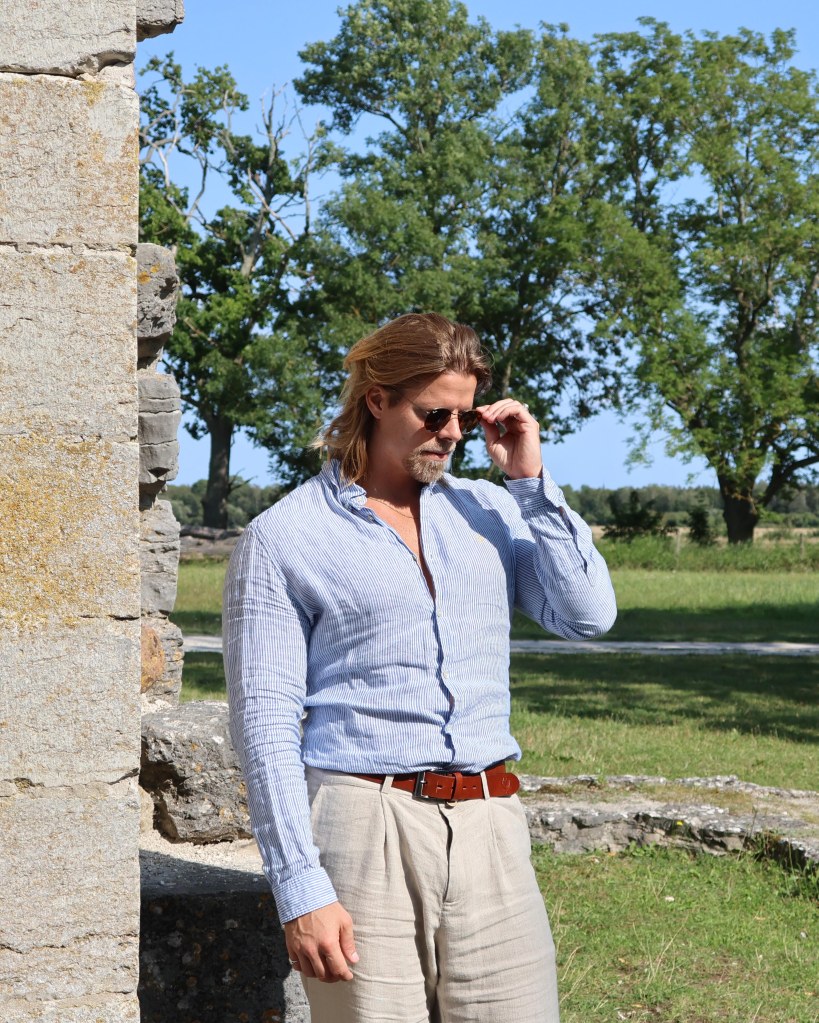
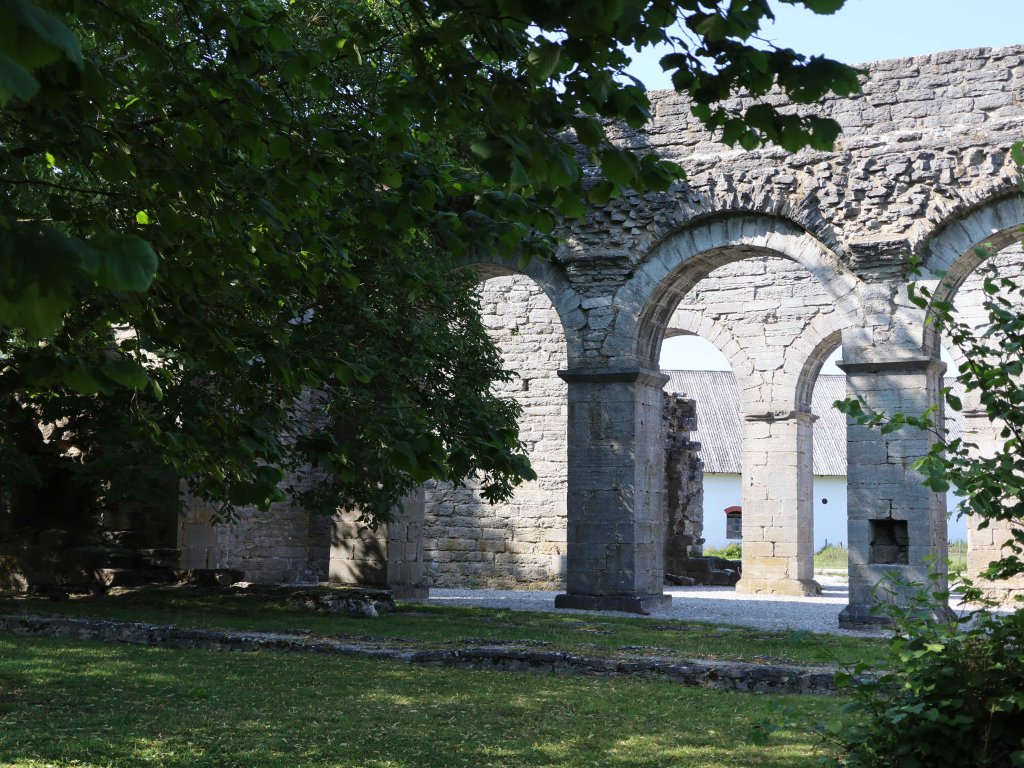
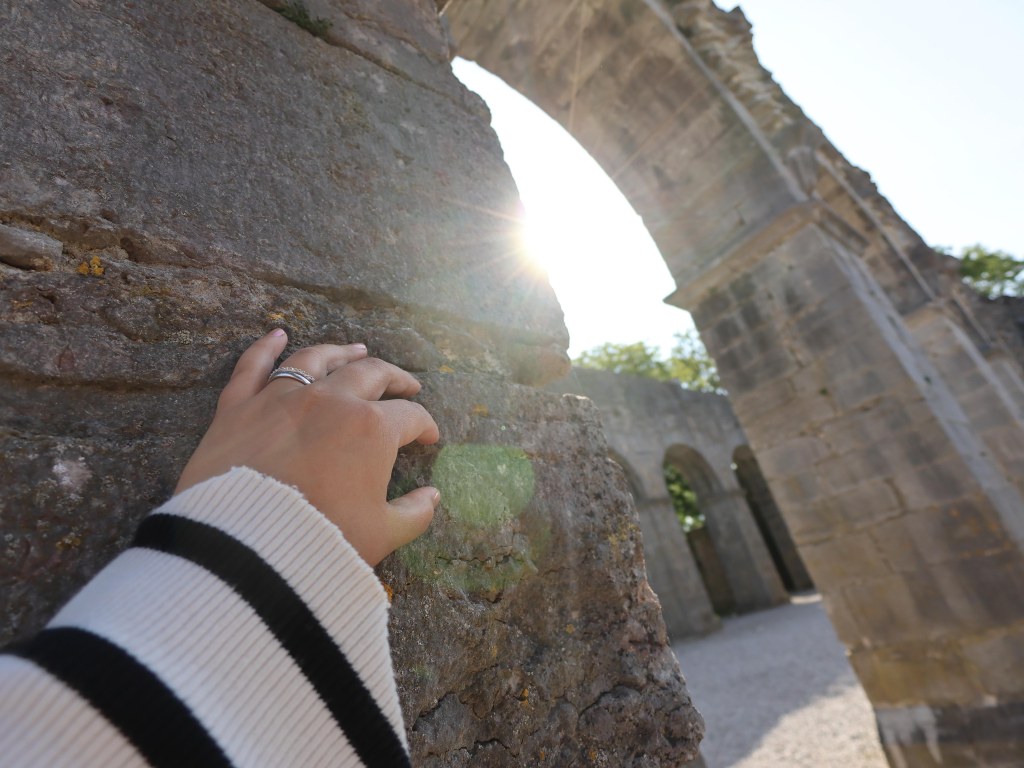
At the ruins of Roma Abbey – a ruined Cistercian abbey in the middle of the island.
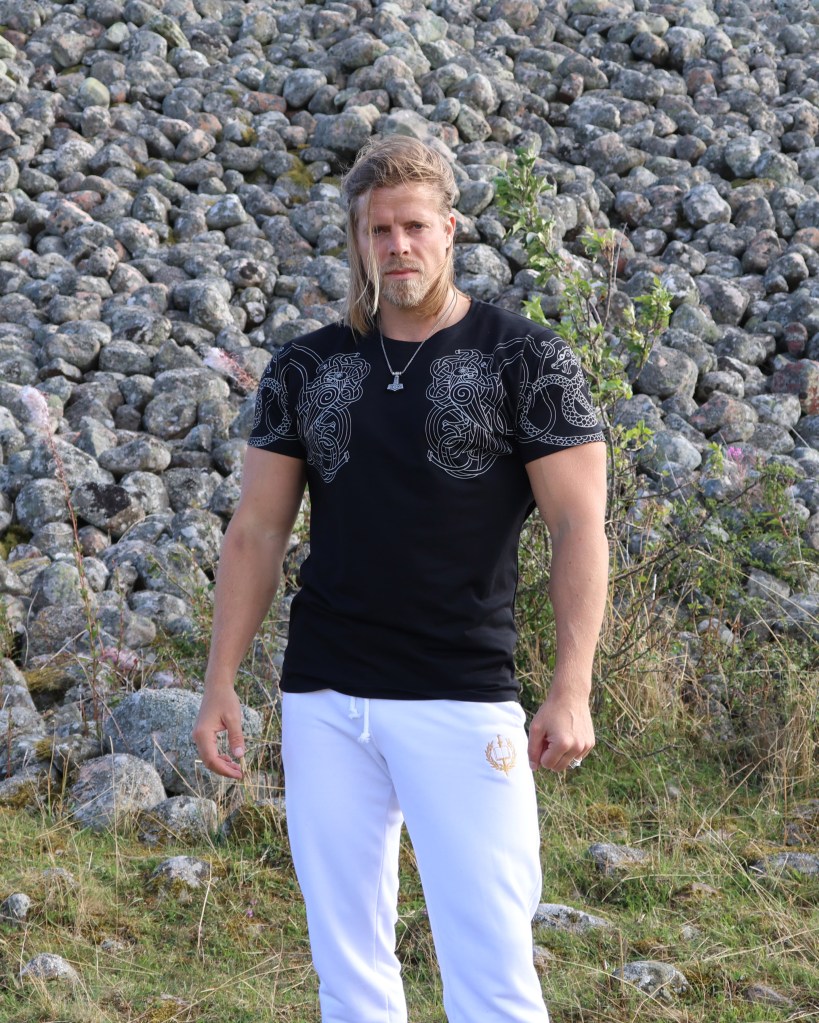
At a Bronze Age grave (röse) in the southern part of Gotland. Having the spirits of the ancestors at my back is always a powerful sensation!
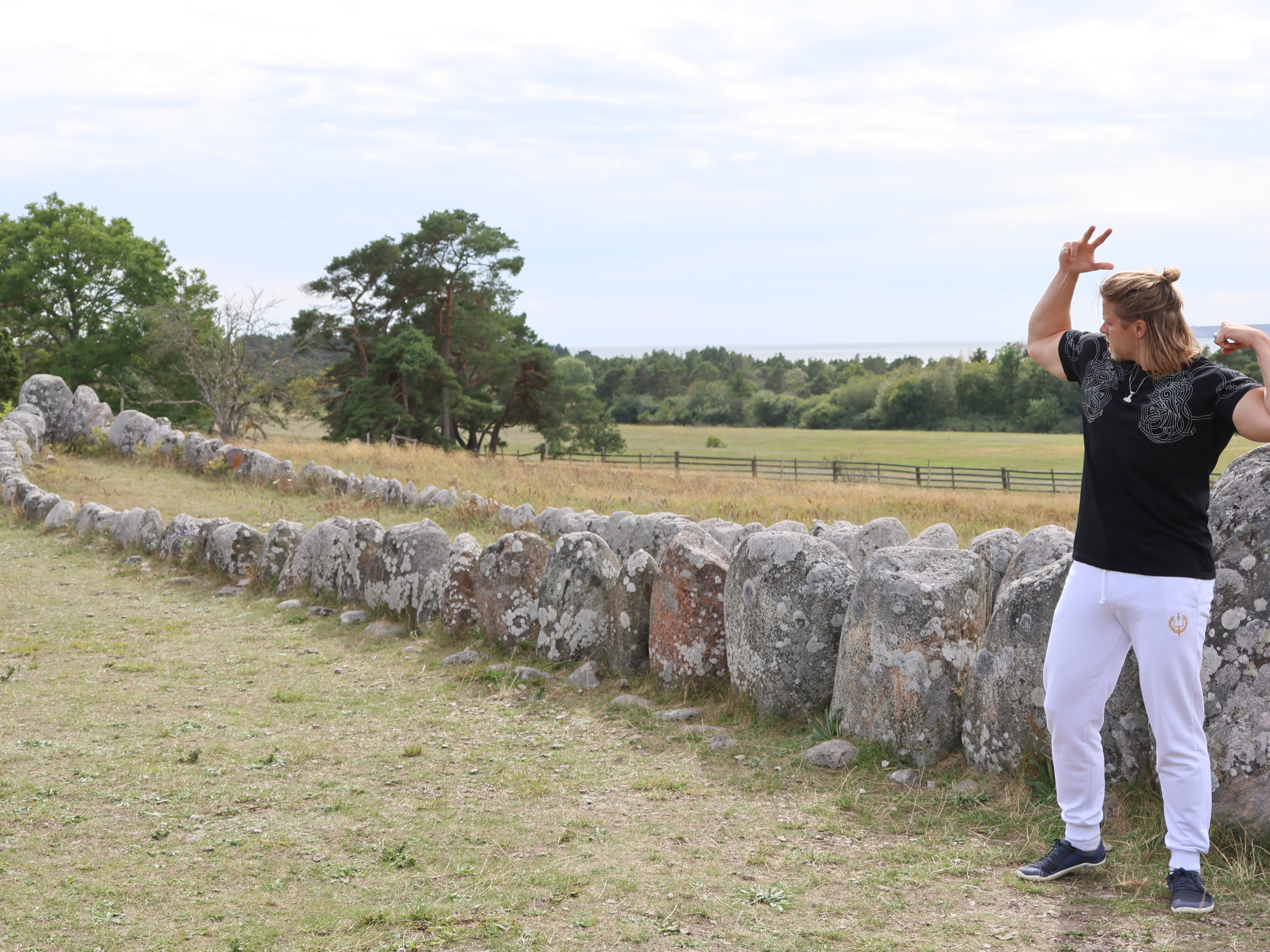
Wearing the Nordic Tattoos T-Shirt and the Divine Messenger’s Tracksuit Bottoms.
There are several stone ships in Gotland dating from the Bronze Age (or Iron Age). These are places of power.
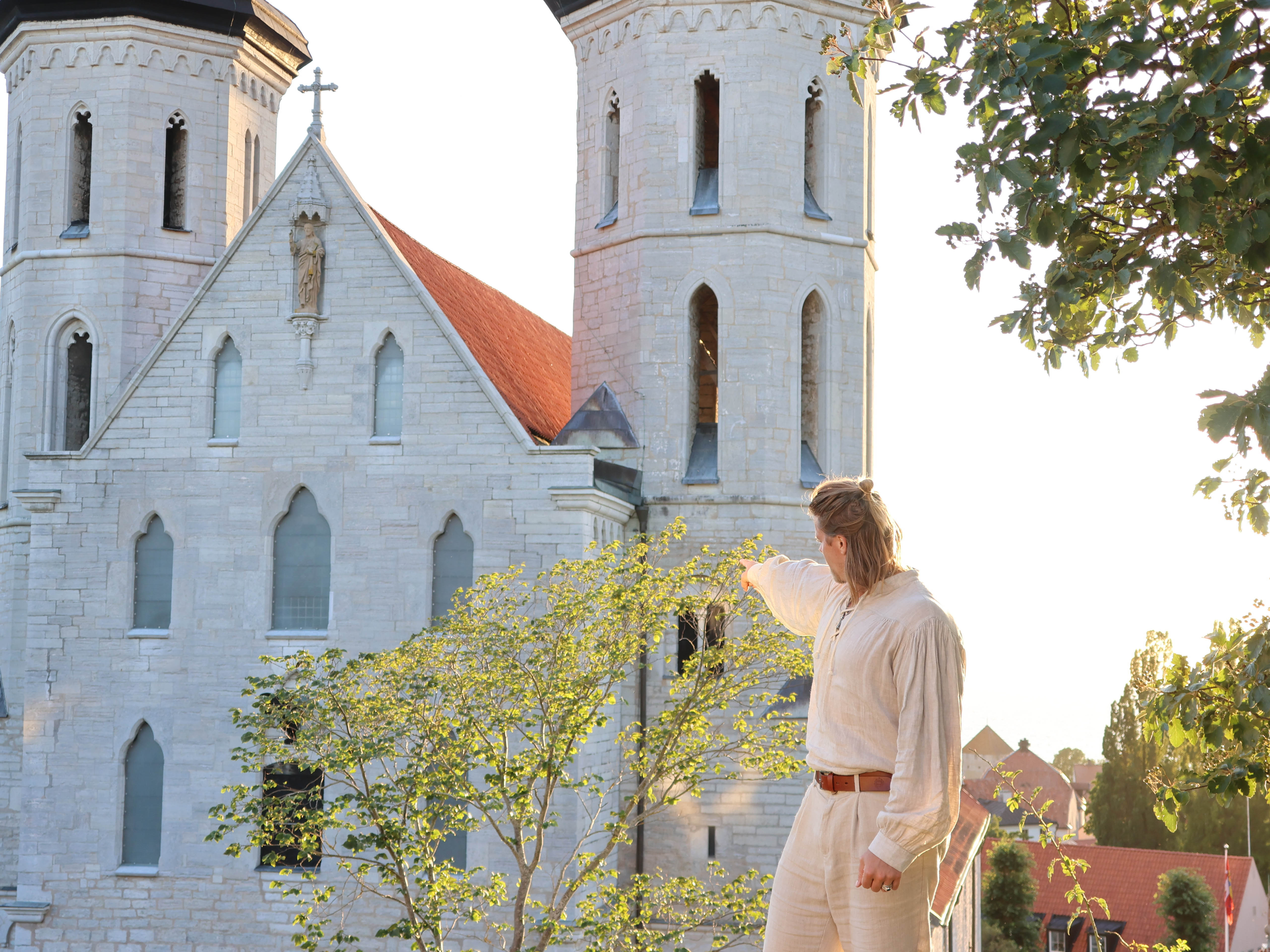
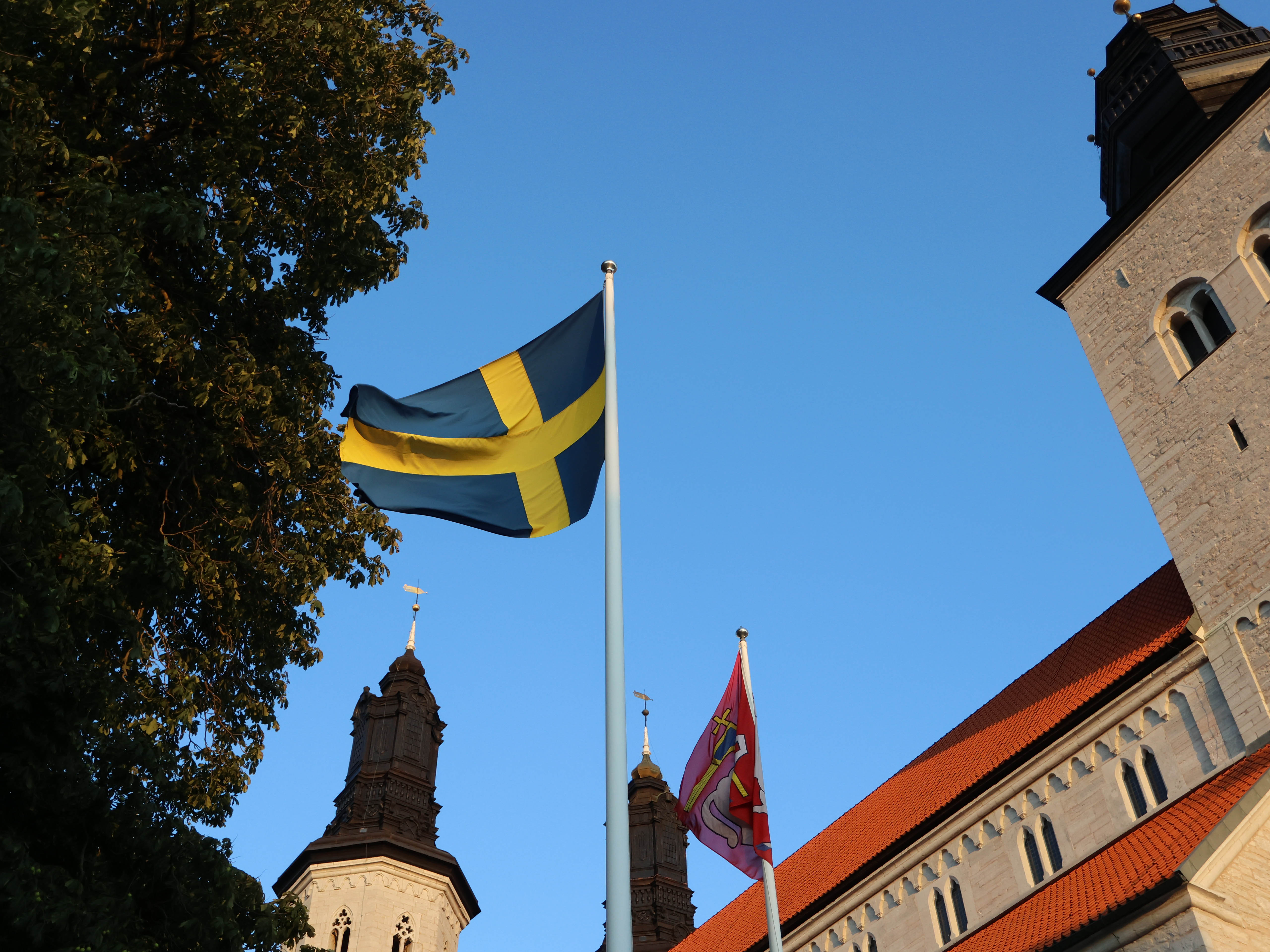
Visby Cathedral is 800 years. Truly epic the more you think about it!



 The Golden One
You must be logged in to post a comment.