The Call of the Old Gods by Christopher McIntosh
Posted on July 29, 2025
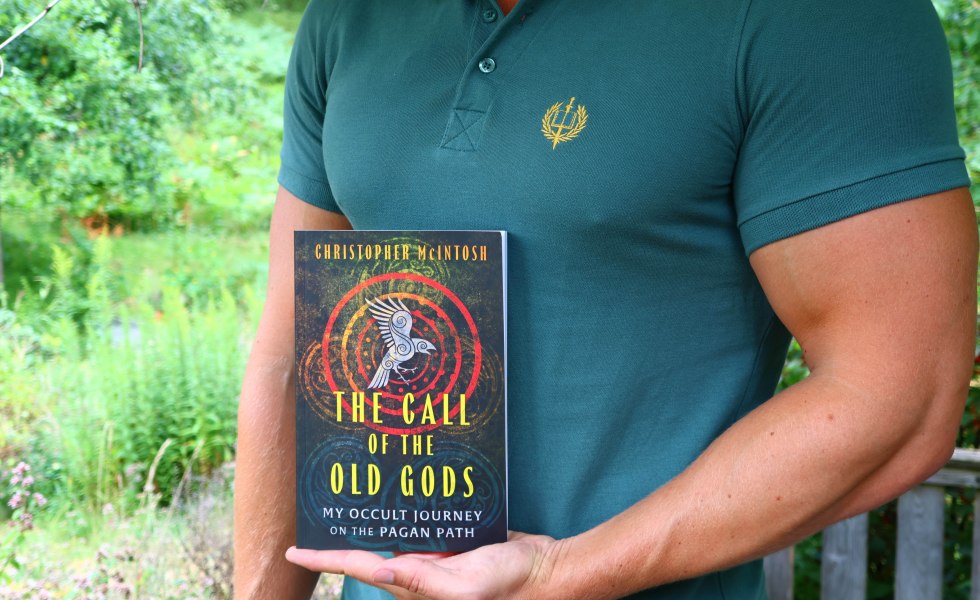
I have read The Call of the Old Gods – My Occult Journey on the Pagan Path by Christopher McIntosh. I was intrigued by the title and thus decided to read it. His spiritual journey is a red thread throughout the book, but for the most part the book is about his eventful social and professional life (with a career at the UN, among other endeavours). As the author was born in 1943 he came of age and was (and still is) active during the prosperous years of the post-war period – those decades were quite different to Europe today. It is always interesting to read accounts of how Europe was in those days. It is only a few decades ago, but our once fair nations have unfortunately transformed greatly.
Sacred Places in Britain
The author notes the following about growing up in Albion:
‘My own pagan journey has been bound up with my attraction toward sacred places. I was lucky to grow up in Britain, which is unusually rich in ancient sites steeped in lore and legend – places like Stonehenge, the Rollright Stones, the Callanish Stones in the Hebrides, and Glastonbury in the West Country, associated with the Grail legends and the Archangel Michael, ostensibly a Christian figure but in fact an ancient solar deity.’
Christopher McIntosh – The Call of the Old Gods. Page 100.
I have been to Merry Old England twice – far too little time to investigate the many sacred places there. Alas, I am reluctant to travel to the United Kingdom at the moment because of the totalitarian nature of its regime. Perhaps one day I will go back and make a pilgrimage to the various sacred sites. As for the author’s statement regarding the Archangel Michael, I present it without comment at this particular moment (we will return to the subject another time). Pictured below: Although not in England but across the sea in Ireland, I still remember being imbued with the spirit of King Arthur at this time.

Pagan Egregore
The author shares the following interesting thought:
‘Yet, despite all the efforts to eliminate them, the old gods have managed to survive. In my story “Master of the Starlit Grove,” in the collection of the same name, I introduce the idea of a pagan egregore, that is to say a thoughtform on the etheric place, created by many people thinking the same thoughts, working with the same symbols, and focusing on some powerful central idea. The story puts forward the idea that, at the time of the forced Christianization of Europe, a group of Pagans came together and created an egregore as a sort of ark to preserve paganism until the influence of Christianity diminished and the old gods could reemerge.
Christopher McIntosh – The Call of the Old Gods. Pages 116-117.
This is of course fiction, but I believe there is something like a pagan egregore, which has helped the gods to live on over the centuries.’
I can confirm that our Gods are awakening!
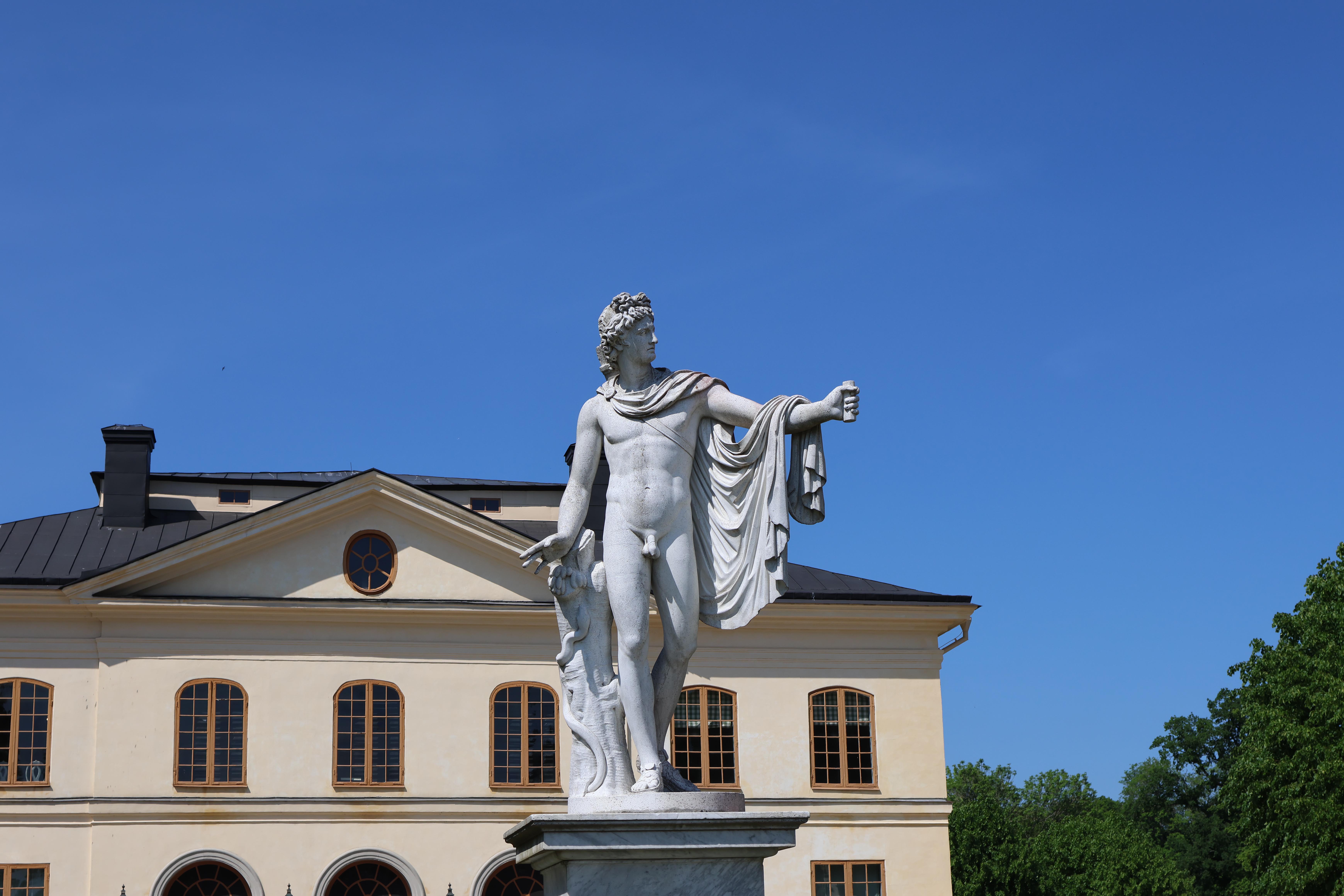
Prague
The author notes the following about Prague (which he visited both during Communist and post-Communist times):
‘I had the impression the place had gone a bit too far in the opposite direction after throwing off the communist yoke.’
Christopher McIntosh – The Call of the Old Gods. Page 108.
Like any man of culture, the author does not appreciate the homogenising effects of globalism.
Speaking of Prague, he later shares the following:
‘One of the highlights of our visit was a guided tour of the alchemy museum, Speculum Alchemiae, featuring a well-preserved alchemical laboratory that had been created on the initiative of Rudolf II, Holy Roman Emperor from 1576 to 1612. Because alchemy was frowned upon by the church, the laboratory was highly secret. It was hidden in the cellar of a building in the Jewish quarter that was ostensibly an apothecary’s shop. The emperor had gone there by way of a secret tunnel running beneath the river Moldau to the royal palace on the opposite side.’
Christopher McIntosh – The Call of the Old Gods. Page 196.
I will keep this place in mind when I visit Prague (I have nothing planned at the moment, but I am bound to go there sooner or later).
Marija Gimbutas & the Old Europe Theory
In a chapter discussing a visit to the Baltic countries, the author shares the Old Europe theory of the Lithuanian archaeologist and anthropologist Marija Gimbutas. The theory postulates that Europe was inhabited by peaceful and matriarchal Early European Farmers before being conquered by the violent and patriarchal Indo-Europeans. This theory has been proven false. The Early European Farmers were both patriarchal and extremely violent.
Conclusion
The book is 233 pages and I enjoyed reading it! As the title suggests the author takes you along his life journey over many decades.
Beautiful Bavaria
Posted on June 10, 2025
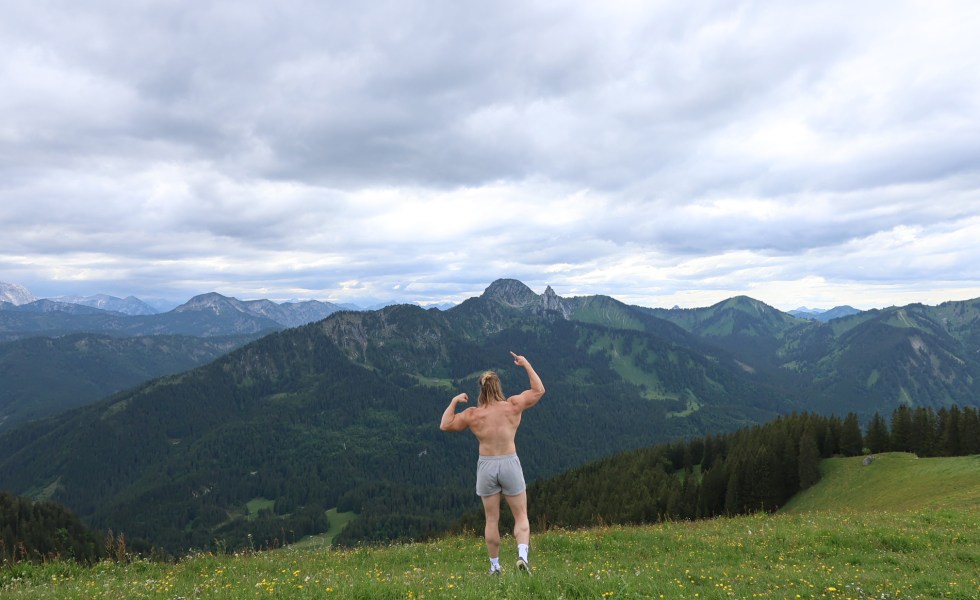
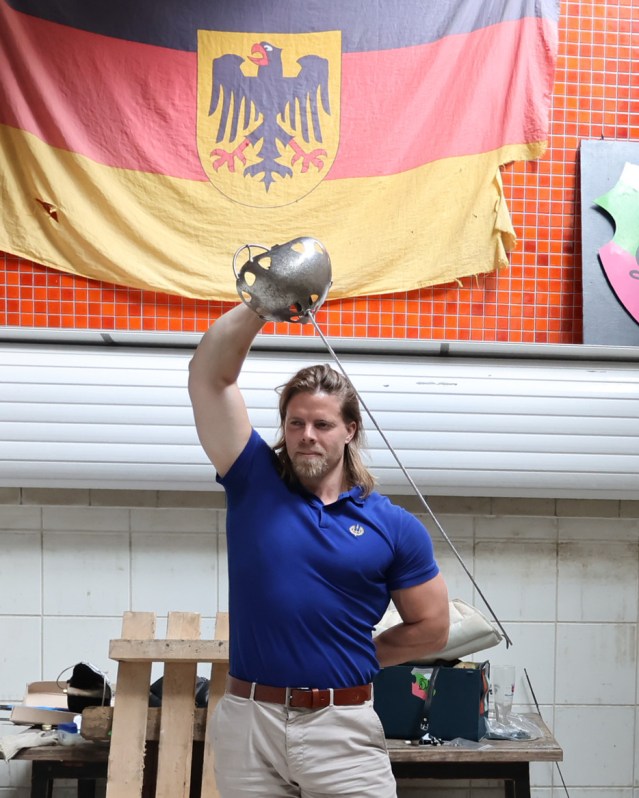
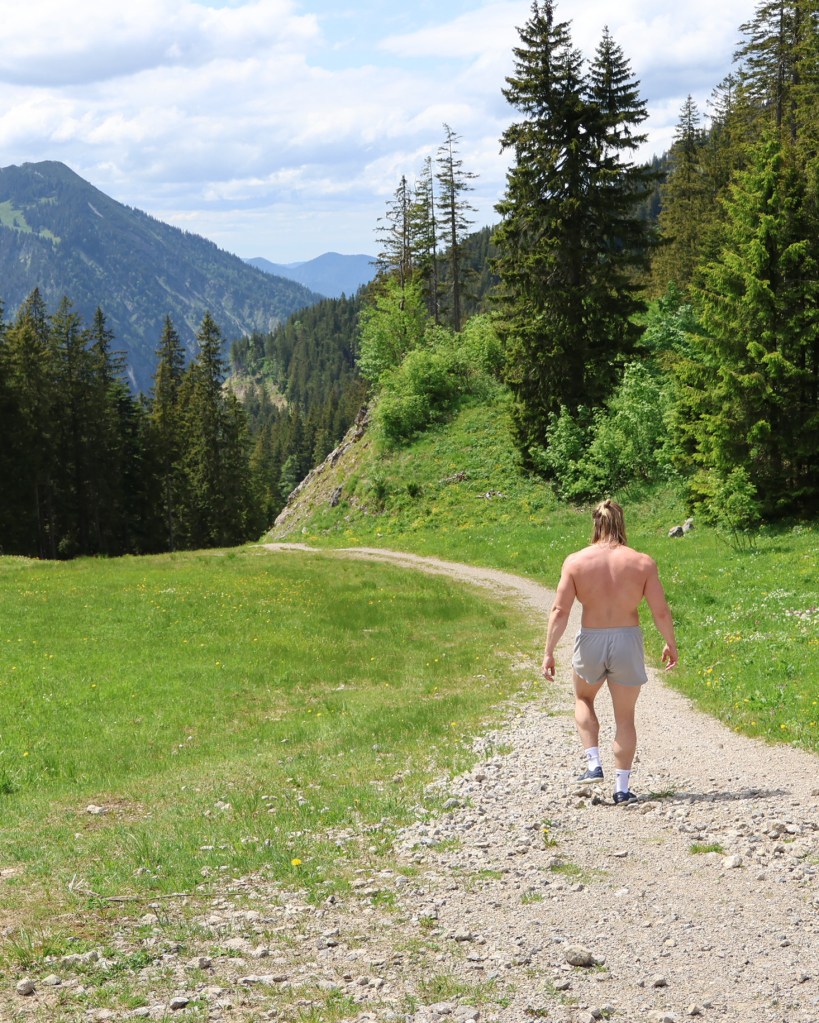
I was invited to Bavaria by the illustrious Burschenschaft Danubia München to hold a speech. They also kindly showed me around – I got a good dose of the good stuff, i.e. beautiful nature, art, and architecture, all in valiant company. Servus!
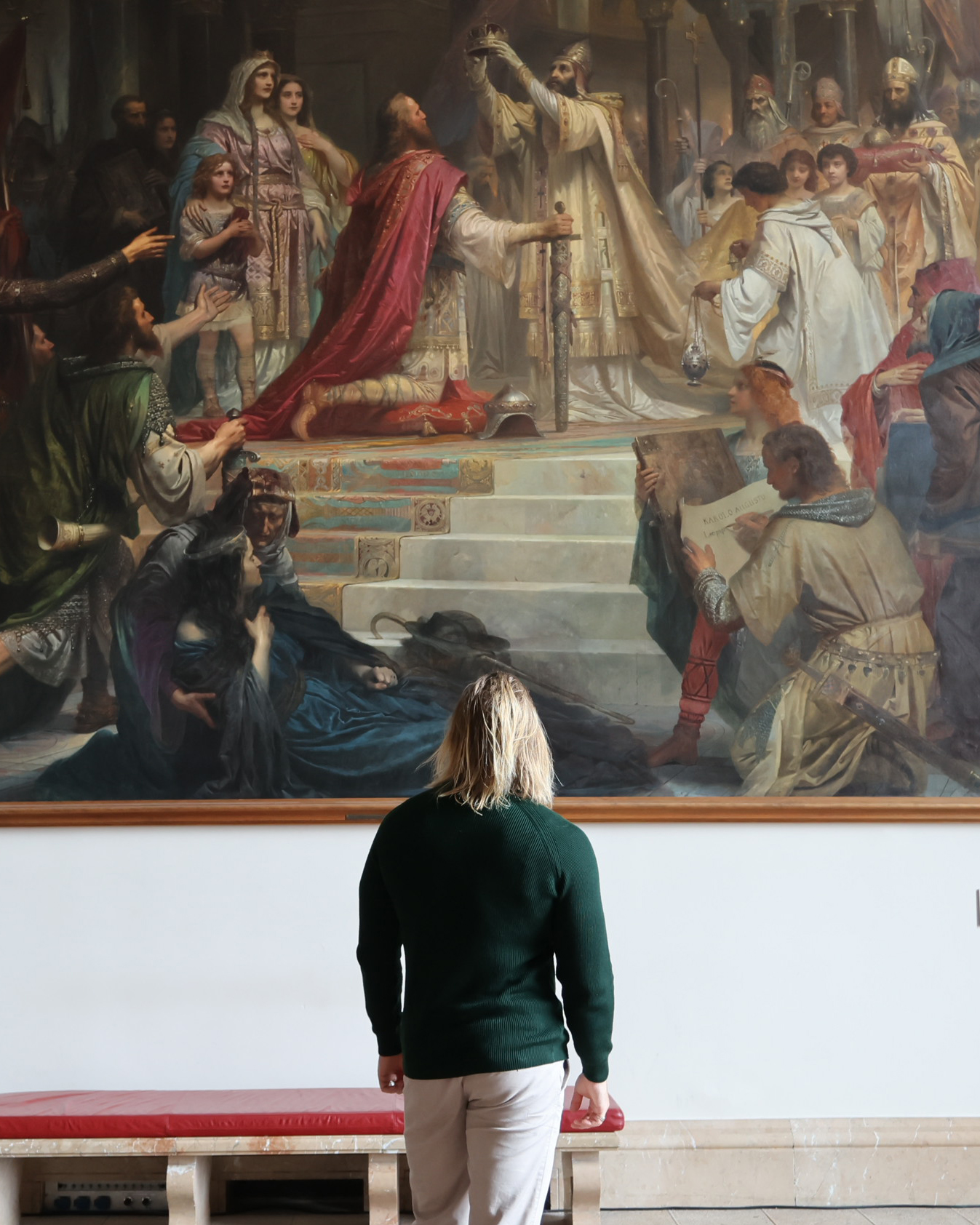
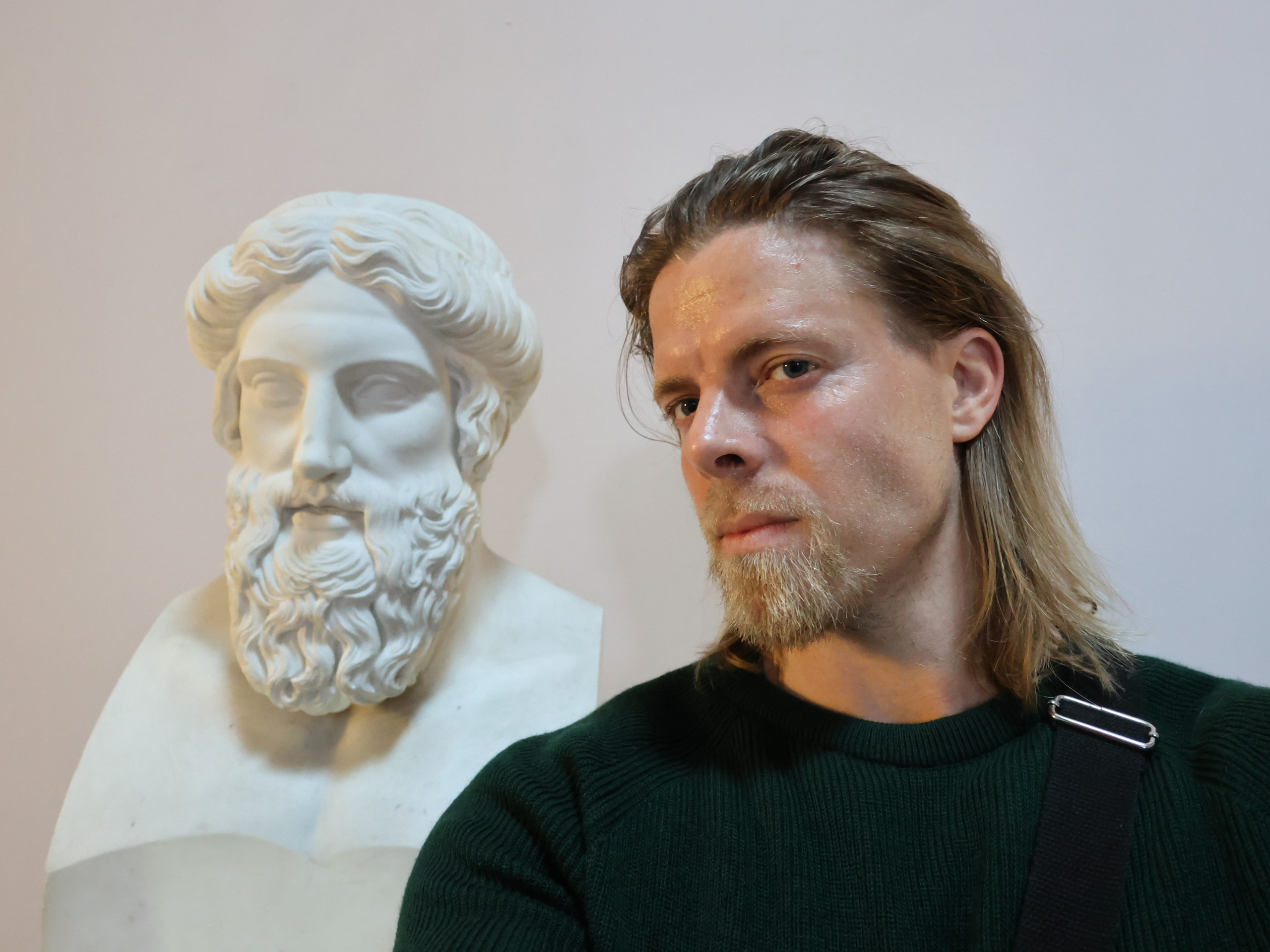
The parliament of Bavaria is especially aesthetic and surprisingly traditional. Pictured above: The Coronation of Charlemagne. Pictured below: A bust of Plato (several other busts of prominent men of Antiquity were also on display).
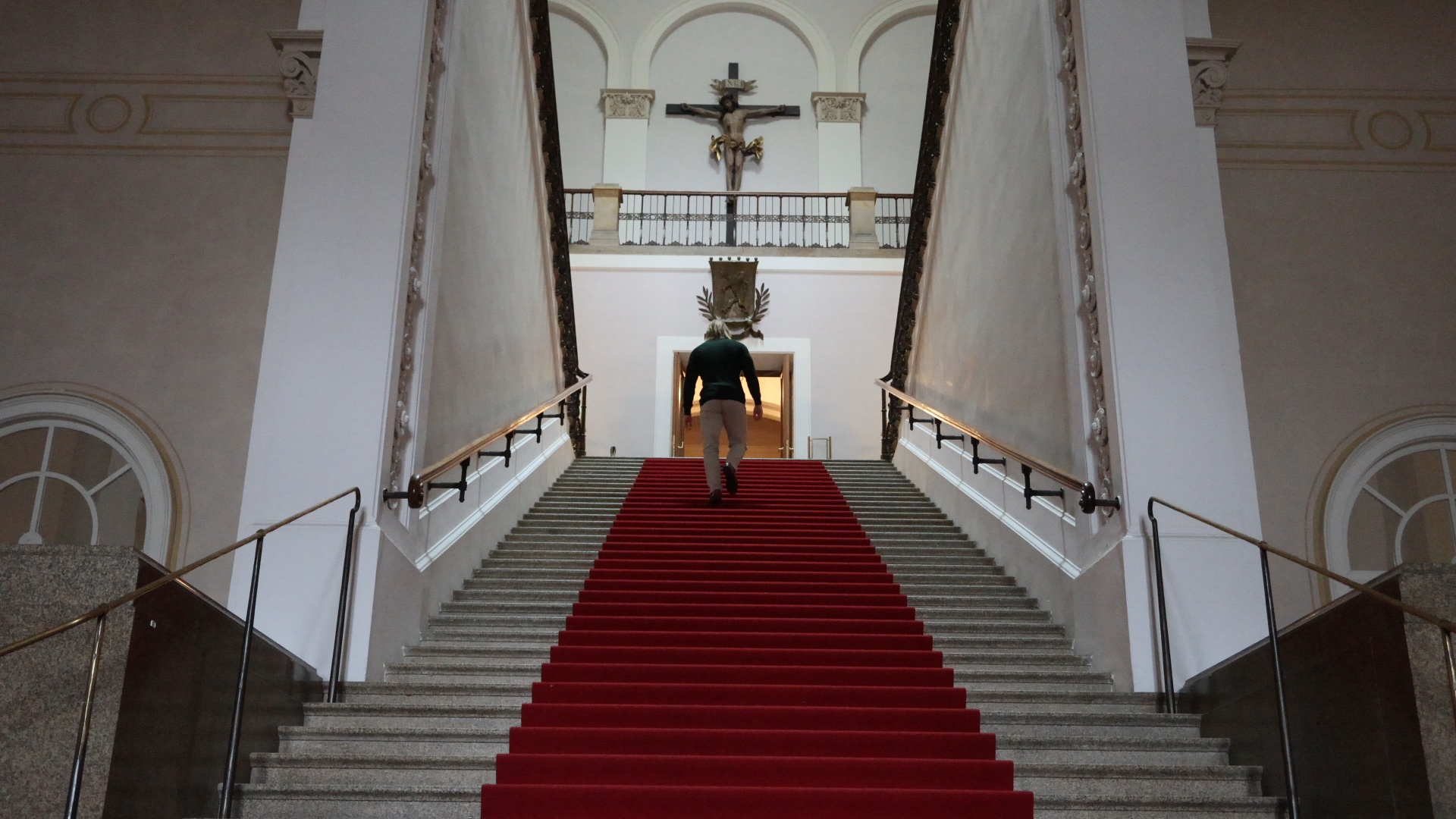
Bavaria has a strong Catholic tradition. Pictured below: A crucifix in the parliament.
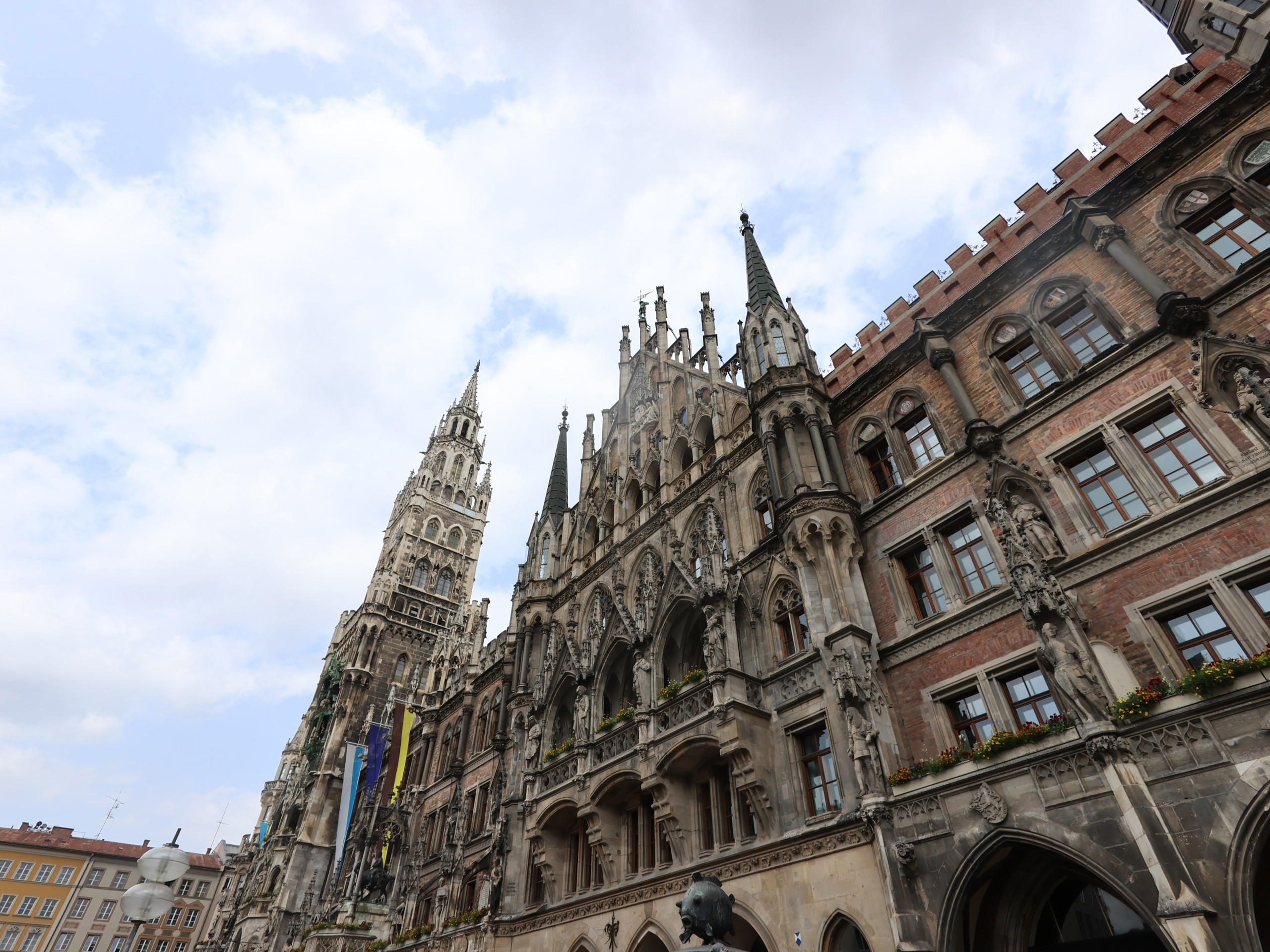
Pictured below: The Neo-Gothic Neues Rathaus (New Town Hall). The construction started in 1887 – so, a good few centuries after the Gothic period of architecture (hence the name Neo-Gothic). Quite aesthetic indeed!
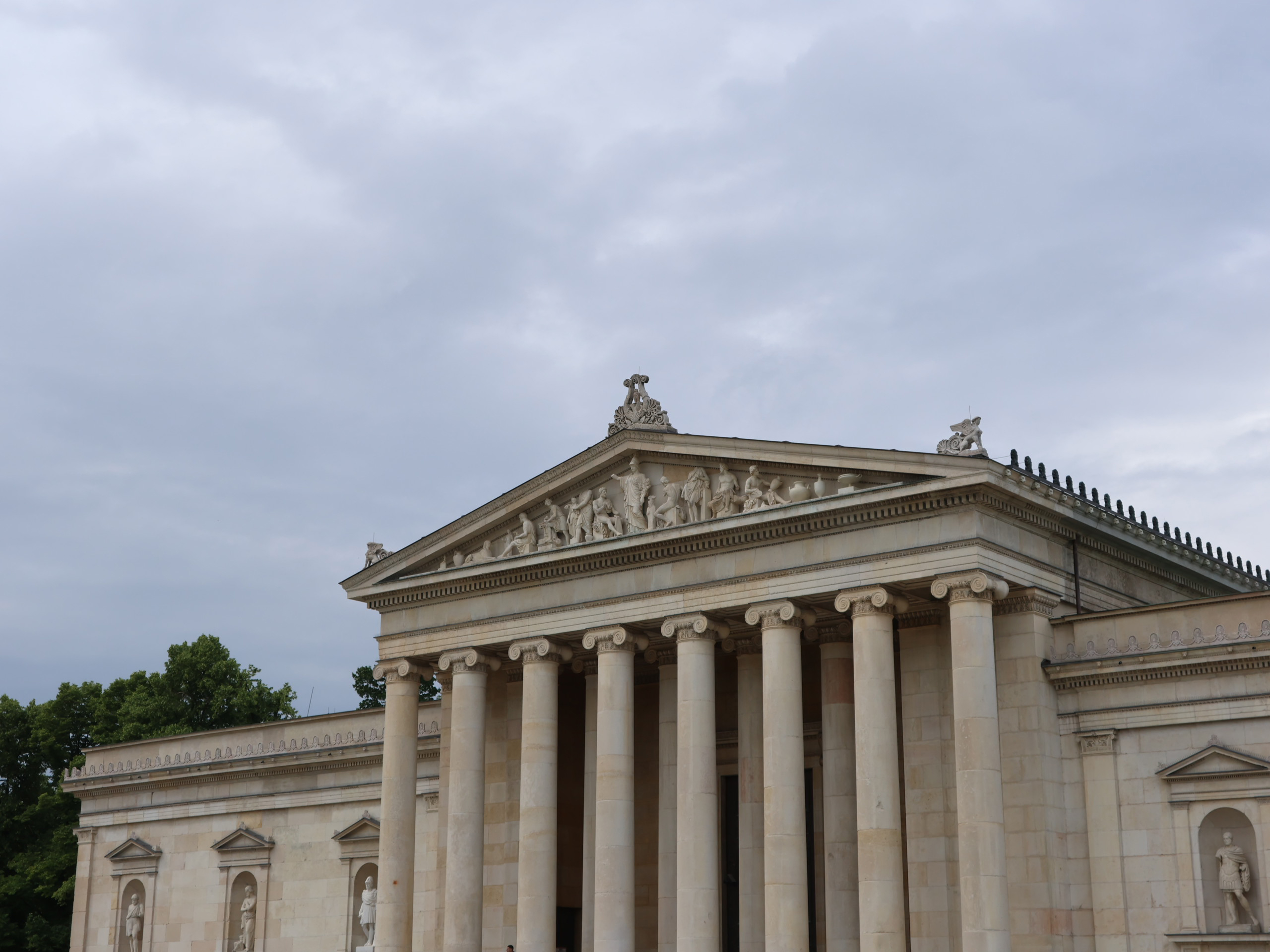
Bavarian King Ludwig I was a man of culture – i.e. an Enjoyer of Ancient Greece (pictured: one of three Greek temples in Munich). Neoclassical temples like this must be constructed again once we have won the political battle in our lands.
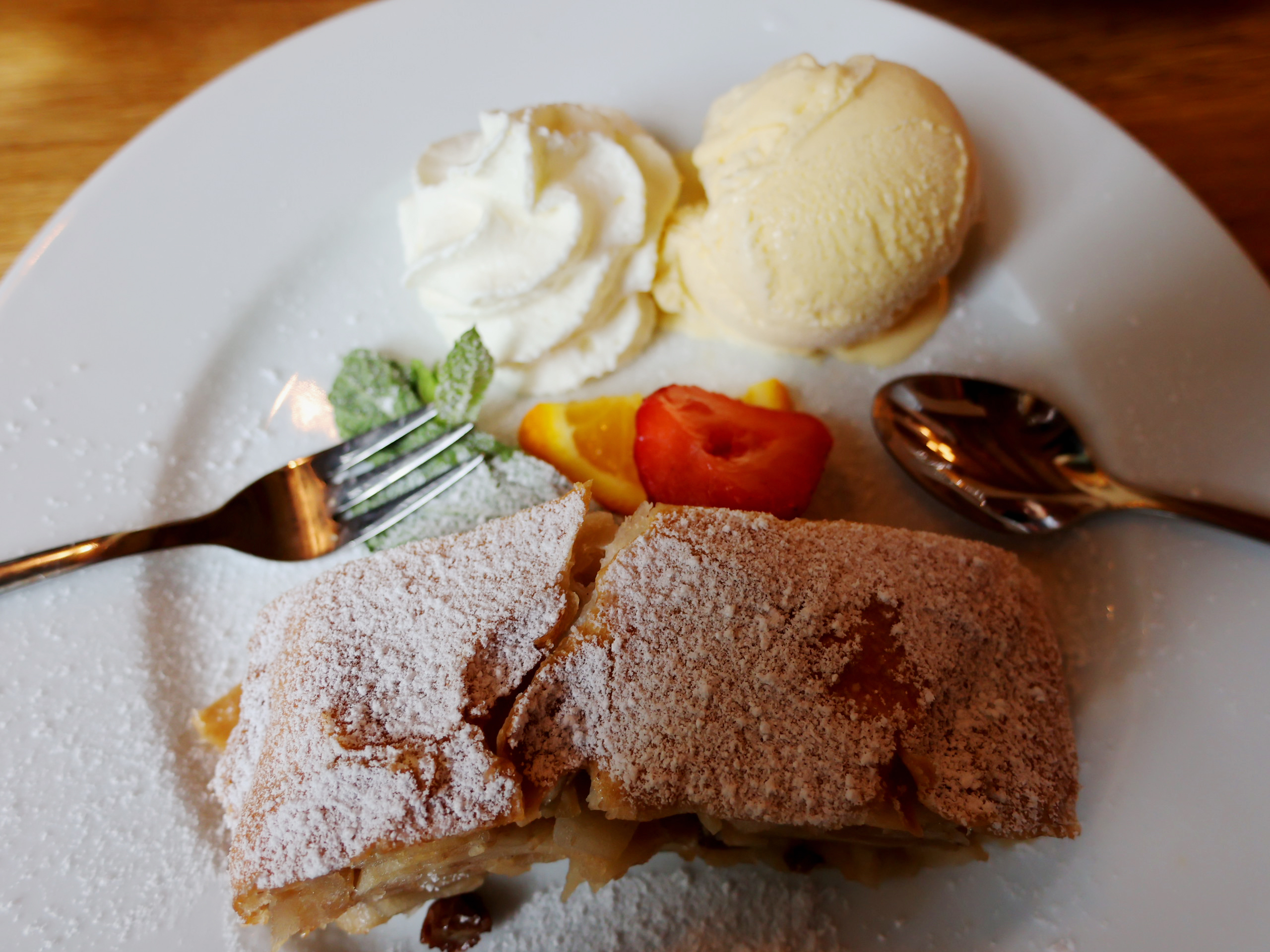
When in Germany, one must eat at least one strudel! We also went to a few beer halls.
Munich has a large and lush English Garden – as befits a great city.
While having a stroll in the garden, I thought about how easy it can be to forget the dire straits Germany (and the rest of European civilisation) finds itself in. Then I went on the subway and another thought came to me – that it is hard to turn a blind eye to the great replacement. How different things can be within the same city! I will elaborate on this at length in a video or podcast episode.
On a similar note, I saw many dogs (it is a good place to talk a walk) – but not a single pitbull. This is in sharp contrast to Sweden where pitbulls are now everywhere (I honestly do not blame pitbull owners; I just see it as a symptom of an increasingly unsafe society).
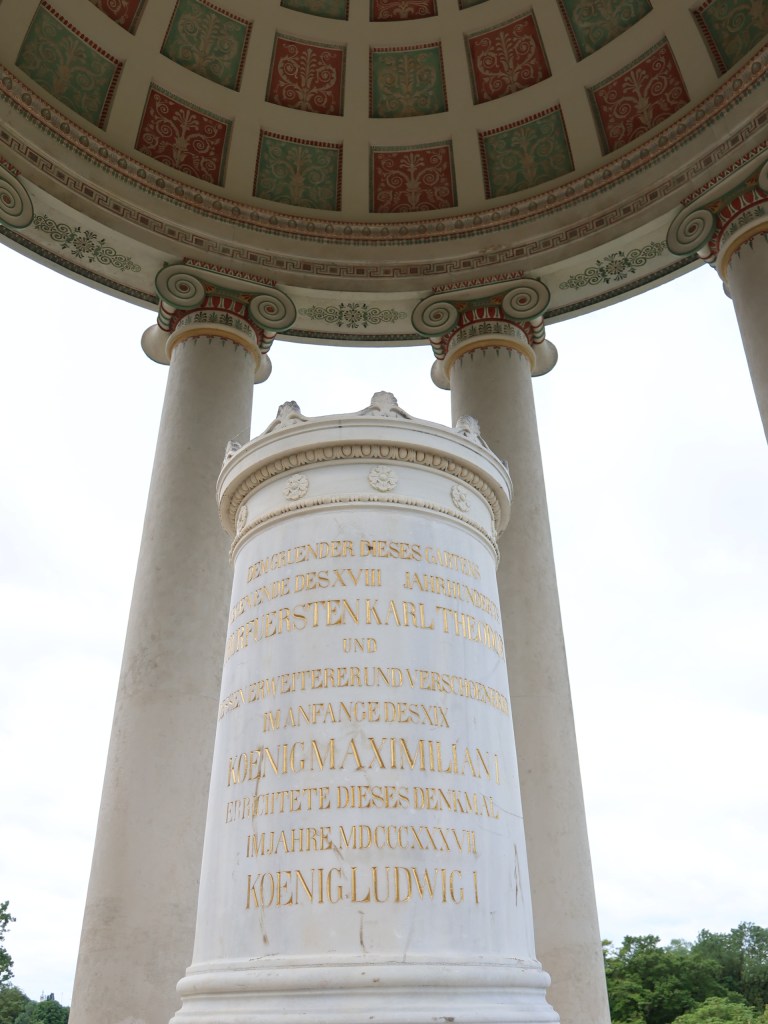
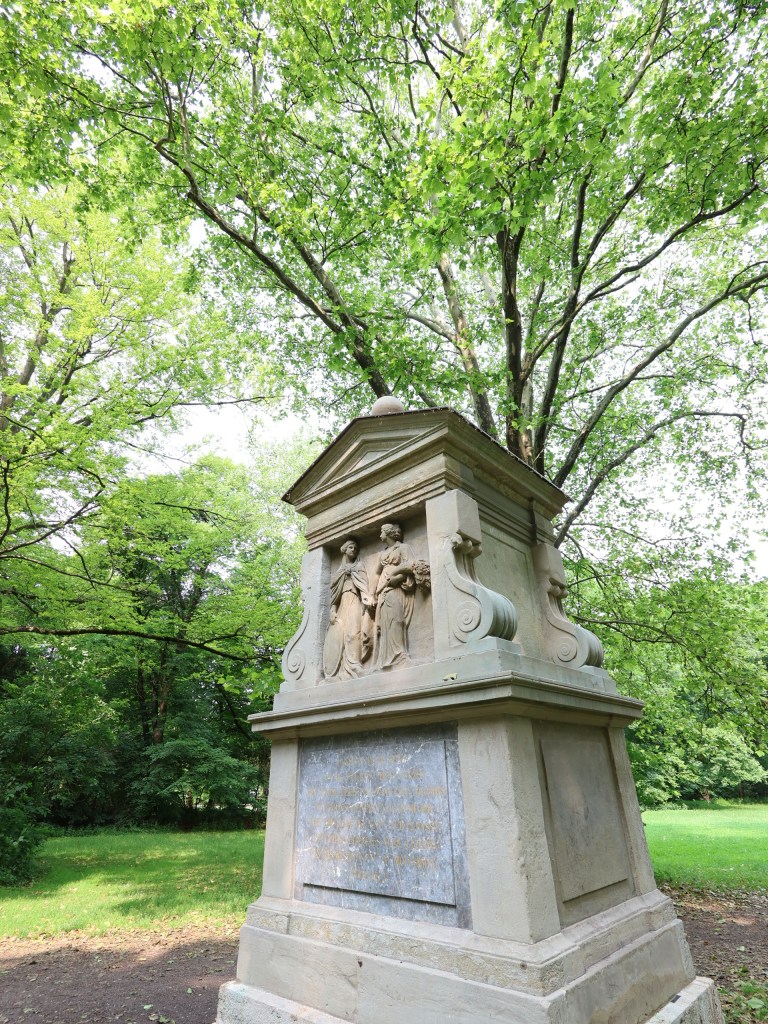
A Neoclassical monument gives a nice vantage point.
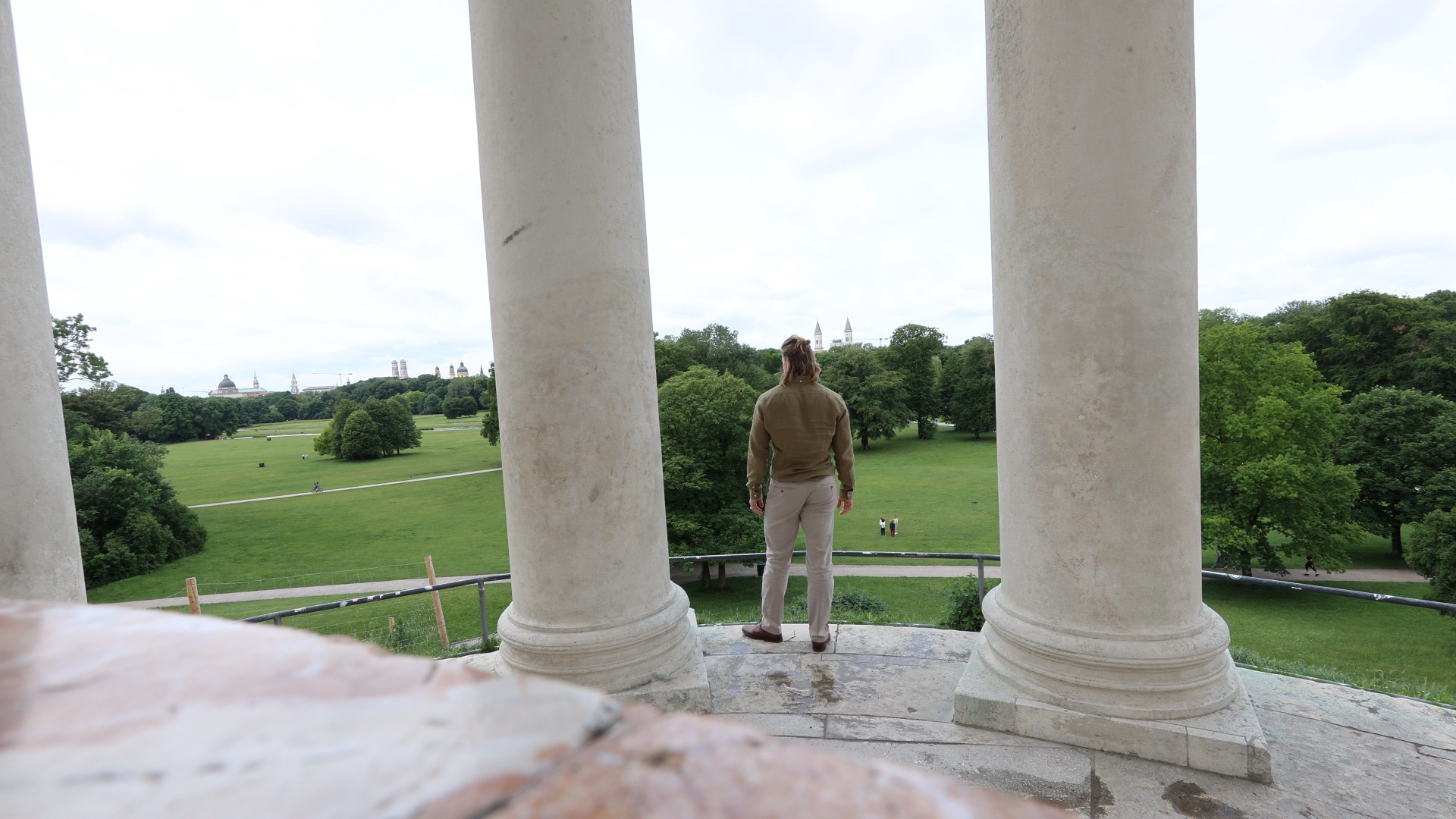
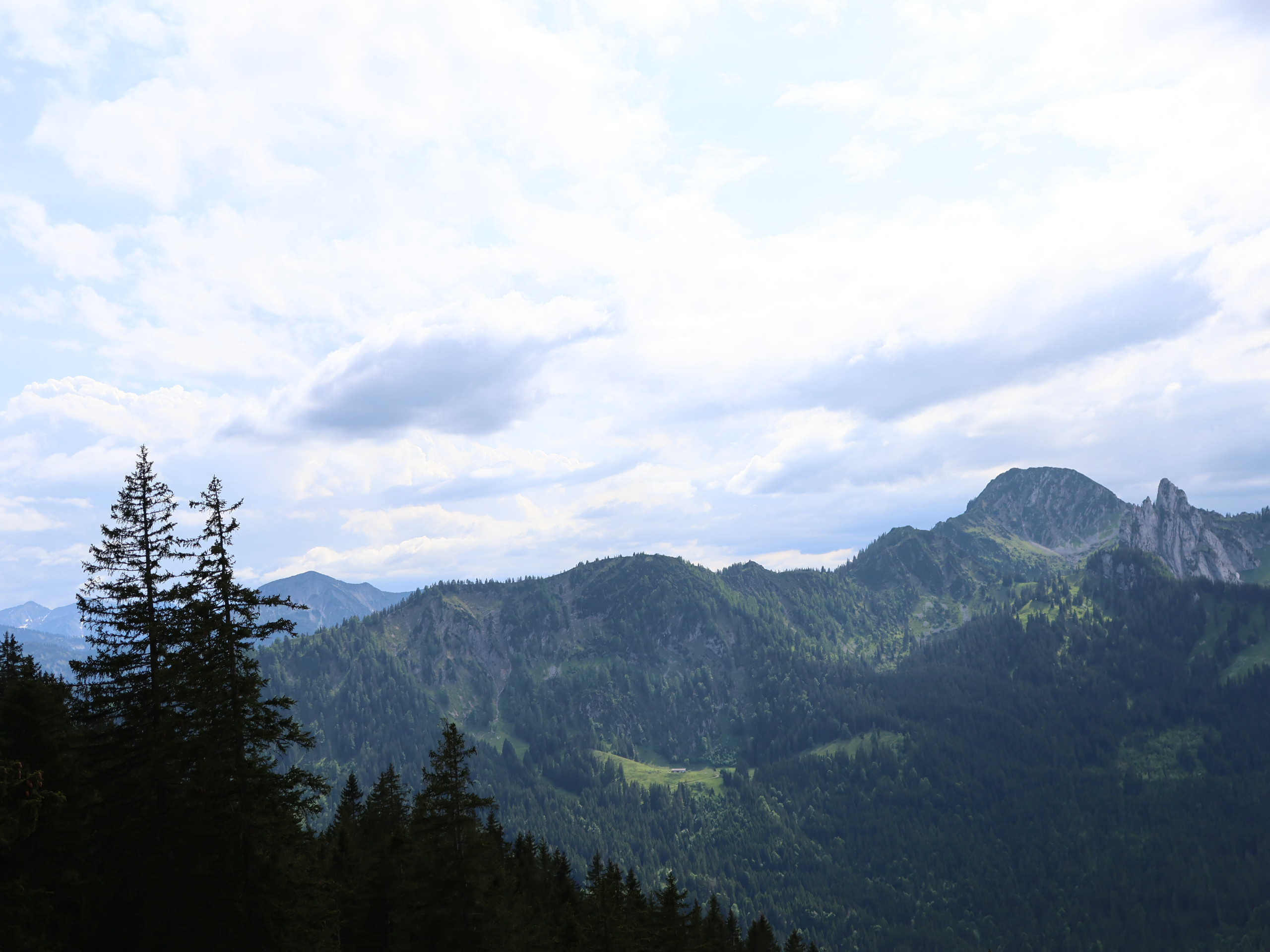
Bayerische Voralpen – the Bavarian Prealps. The beauty of Mother Nature!
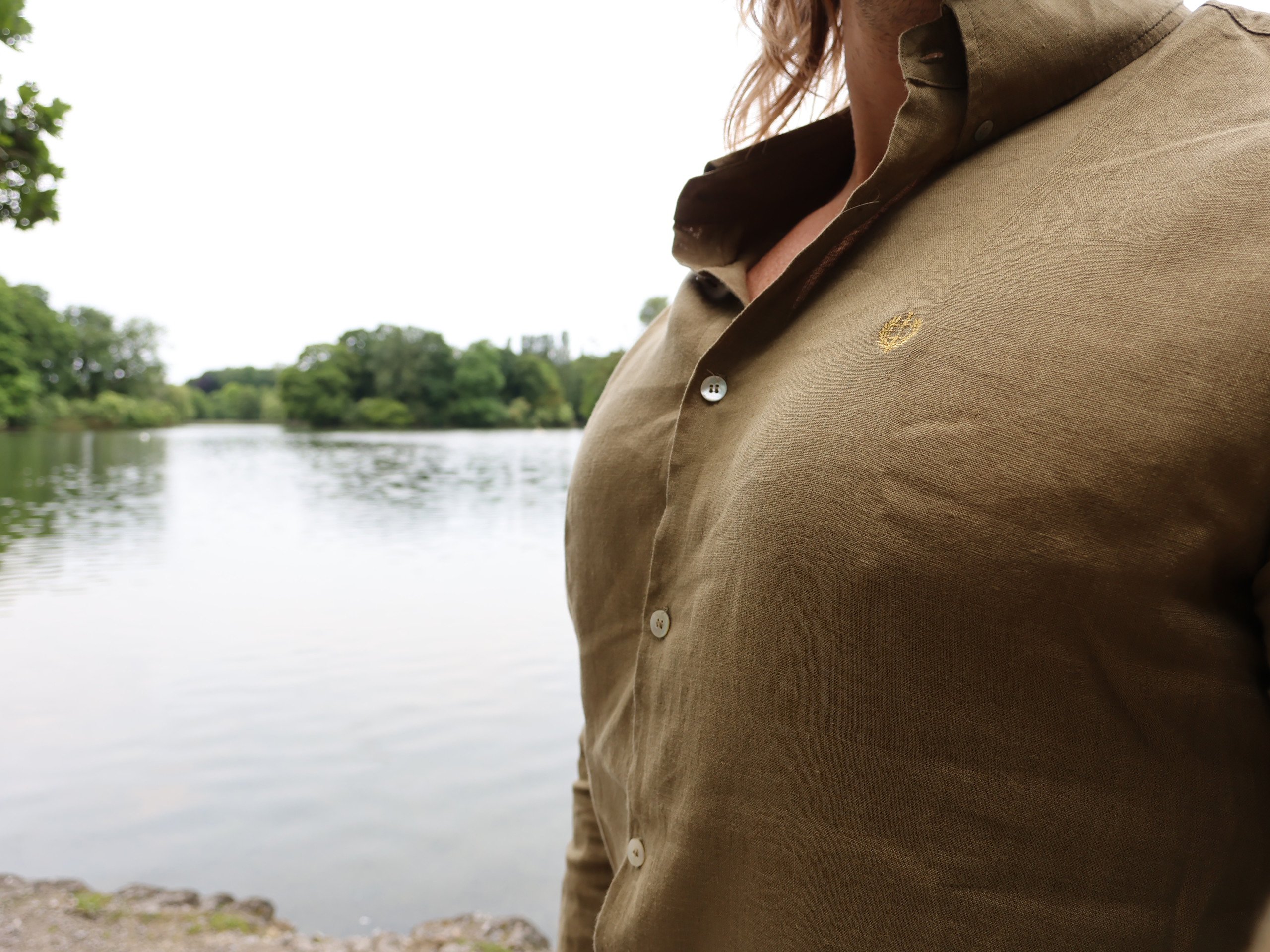
Garments worn in the pictures (in order of appearance): Royal Blue Polo Shirt, Zalmoxis Gym Shorts, Gigachad Merino Wool Sweater, Moss Green Linen Shirt, Leather Belt. All available at LegioGloria.com
Good times, good stuff!
Legio Gloria Summer 2025 Collection
Posted on May 5, 2025

I am happy and proud to present one of our greatest releases to date! Below are our new garments (available at LegioGloria.com). The garments are proudly made in the Polish-Lithuanian Commonwealth – more specifically, the cotton garments are made in Poland and the linen in Lithuania.
Blue-White Linen Shirt
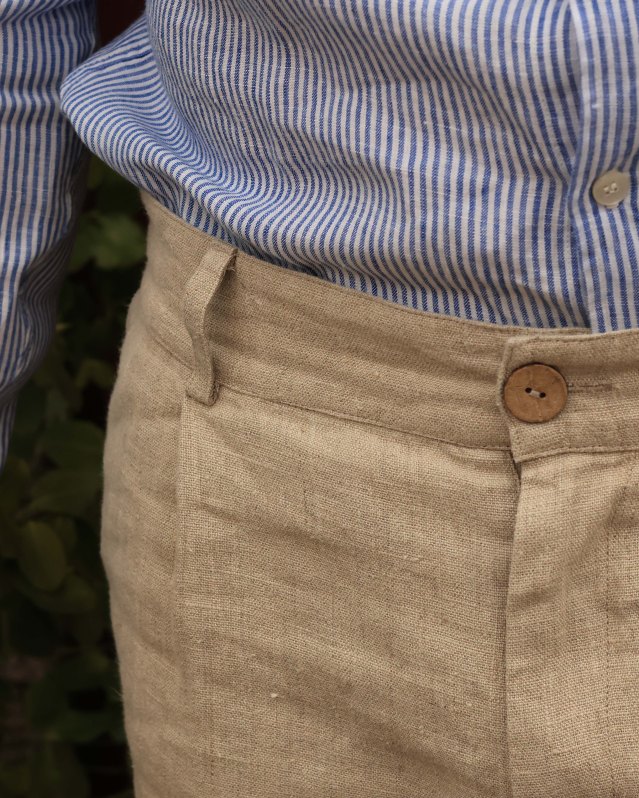
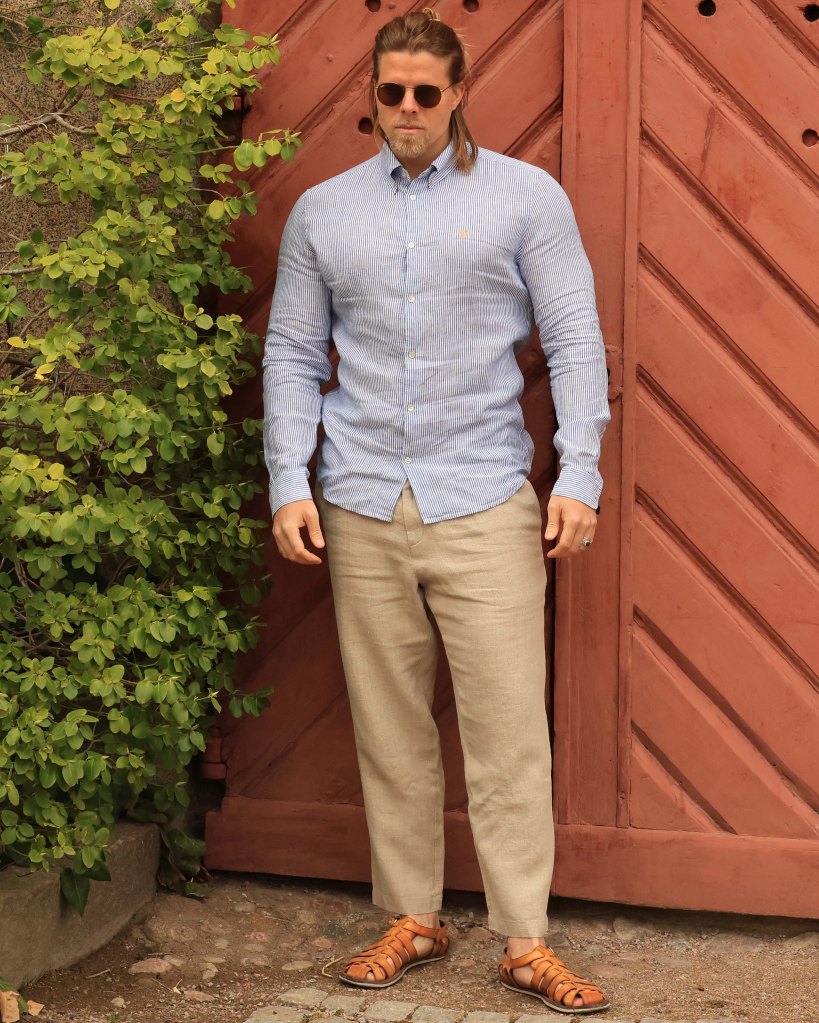
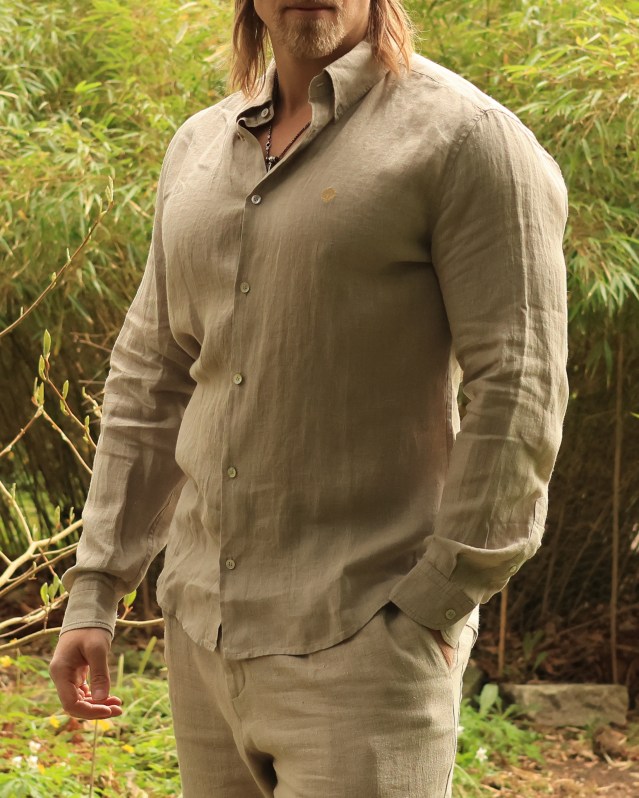
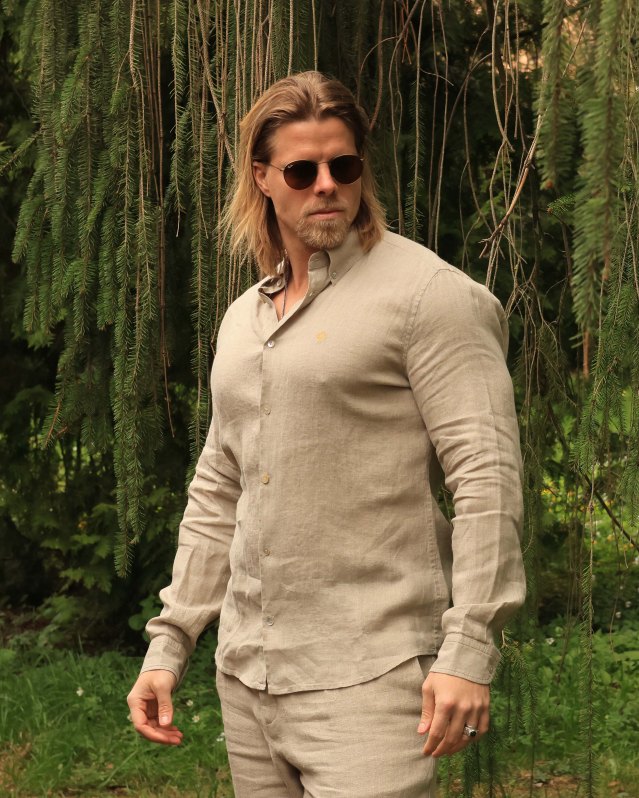
Linen is a joy to wear. Ever since becoming an Enjoyer of linen back in 2019, I have looked forward to summer not only for the sun but also for the opportunity to wear linen. It is truly great stuff. It is hard to explain with words, but if you wear linen often you know what I mean. The Blue White model will look supremely stylish as you bask in the sun at an outdoor café, the Moss Green and Expeditionary models will look elegant as you partake in an archaeological expedition or something similar. Whatever the situation, all shirts will serve you well!
Moss Green Linen Shirt
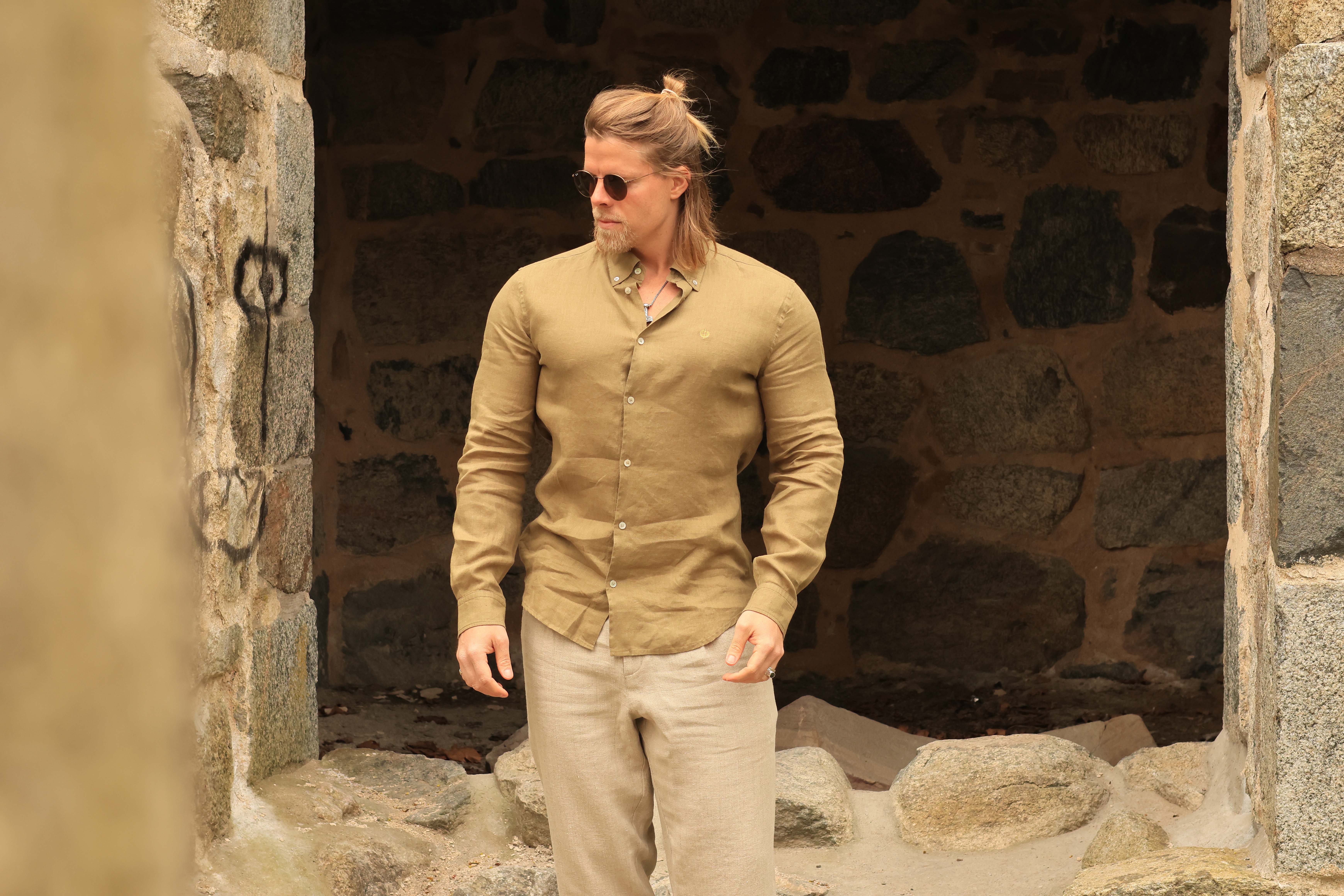
Expeditionary Linen Shirt
Horus’ Bodybuilding Garment – Cotton

The garments of this collection are made of the same ultra-comfortable cotton as the previous Henley Shirt. The colour is shifting sand (suitable for summer) – hence the Egyptian-themed names.
The Henley Shirt of Egyptian Studies
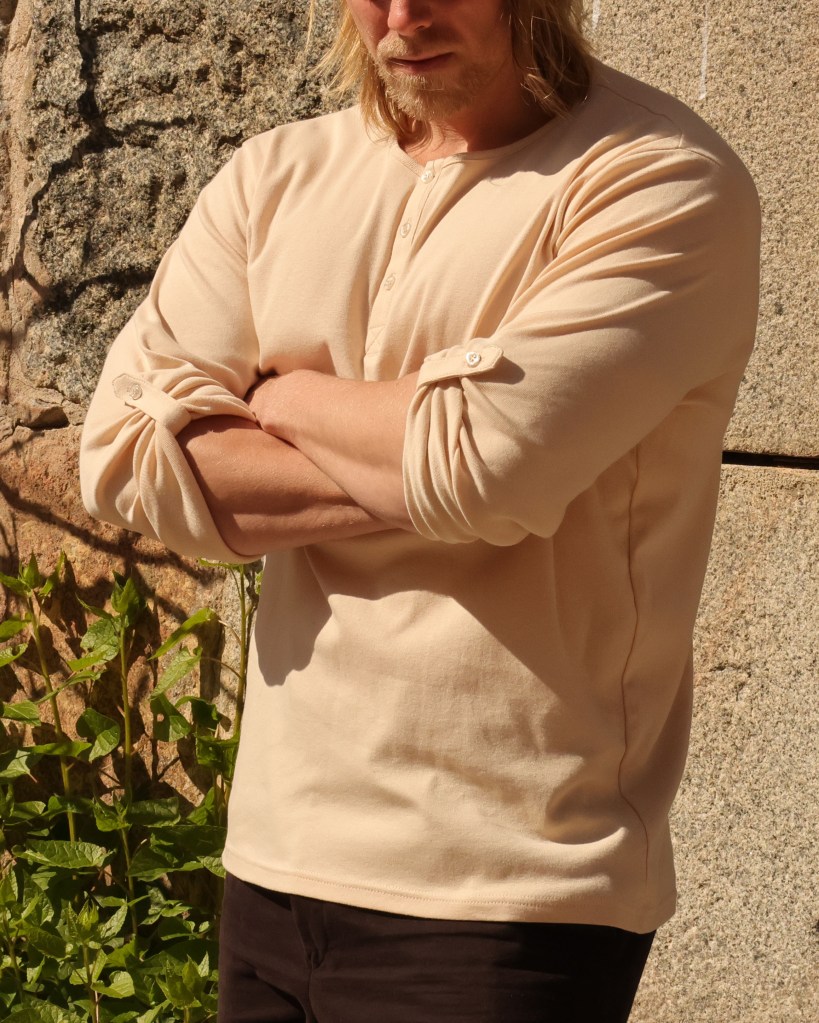
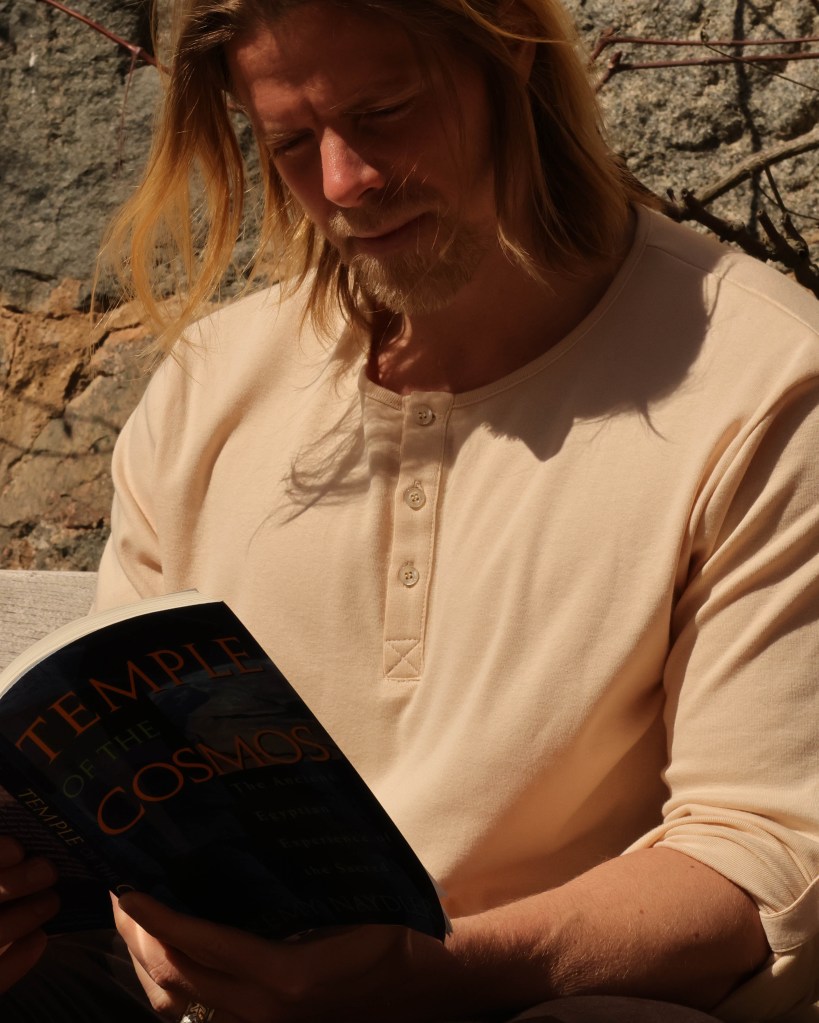
“A sensitive young man listens to an insightful podcast whilst taking a walk in the sun. The podcast host asks the question: how old is the Sphinx? A sudden urge grips the young man – he needs to investigate this fascinating subject.”
The book seen in the picture above is titled Temple of the Cosmos, you can read my review of it here.
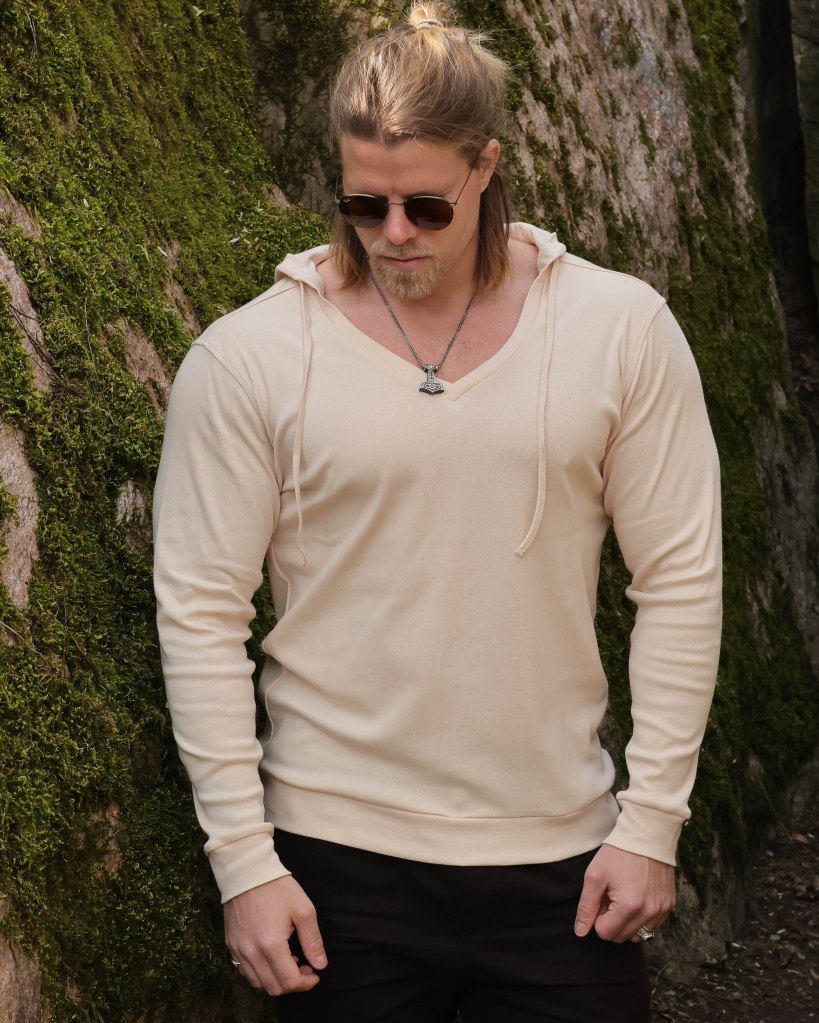
Ra Mystic’s Sleeveless Hoodie
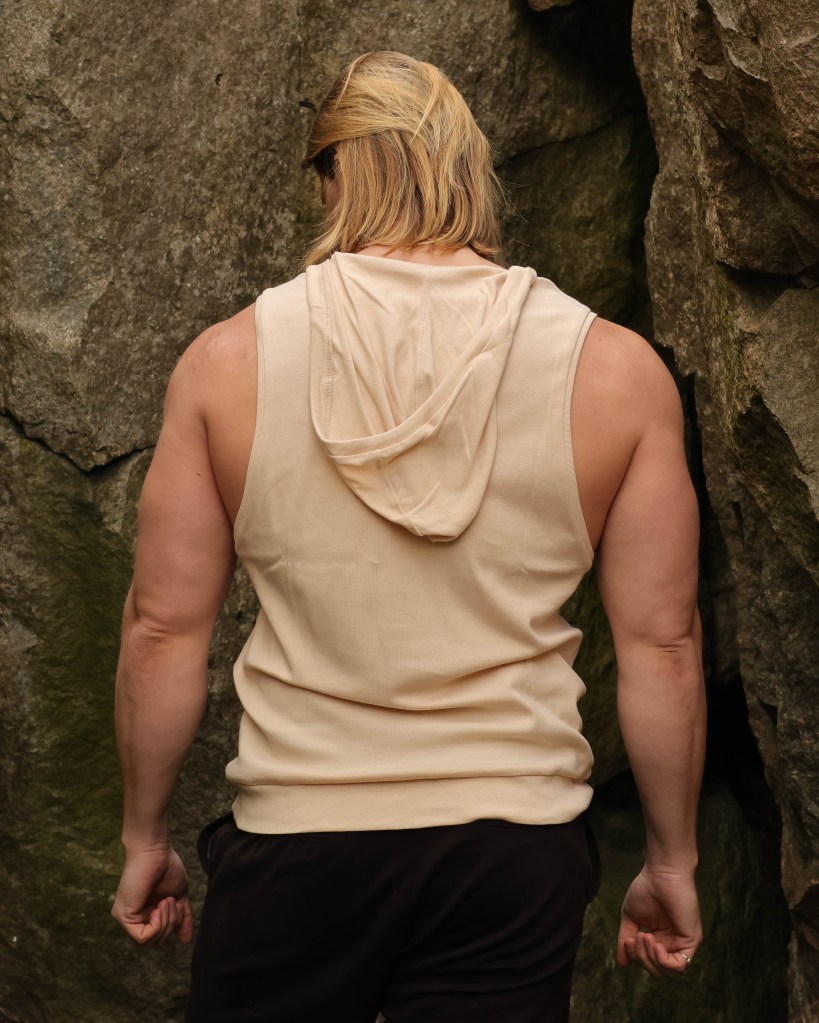
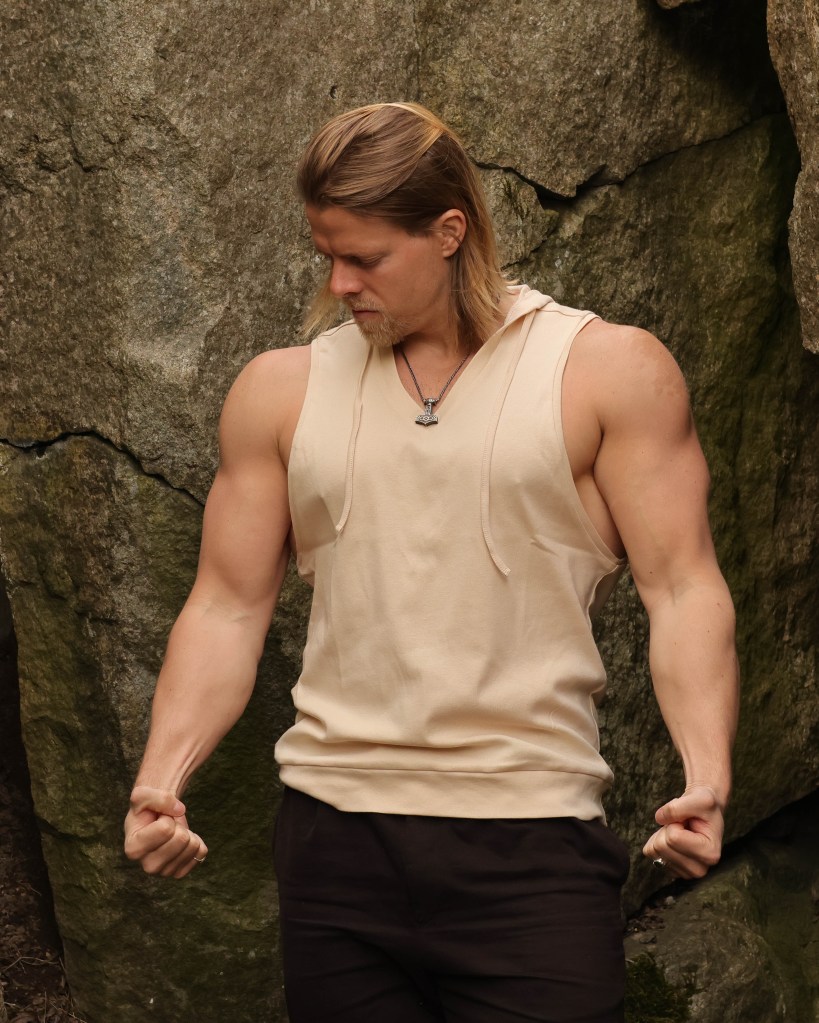
A supremely comfortable garment suitable to wear whilst contemplating the mysteries of the universe, attending a ritual, meditating, or praying in the Temple of Iron.
Enlightened Despot’s Polo Shirt

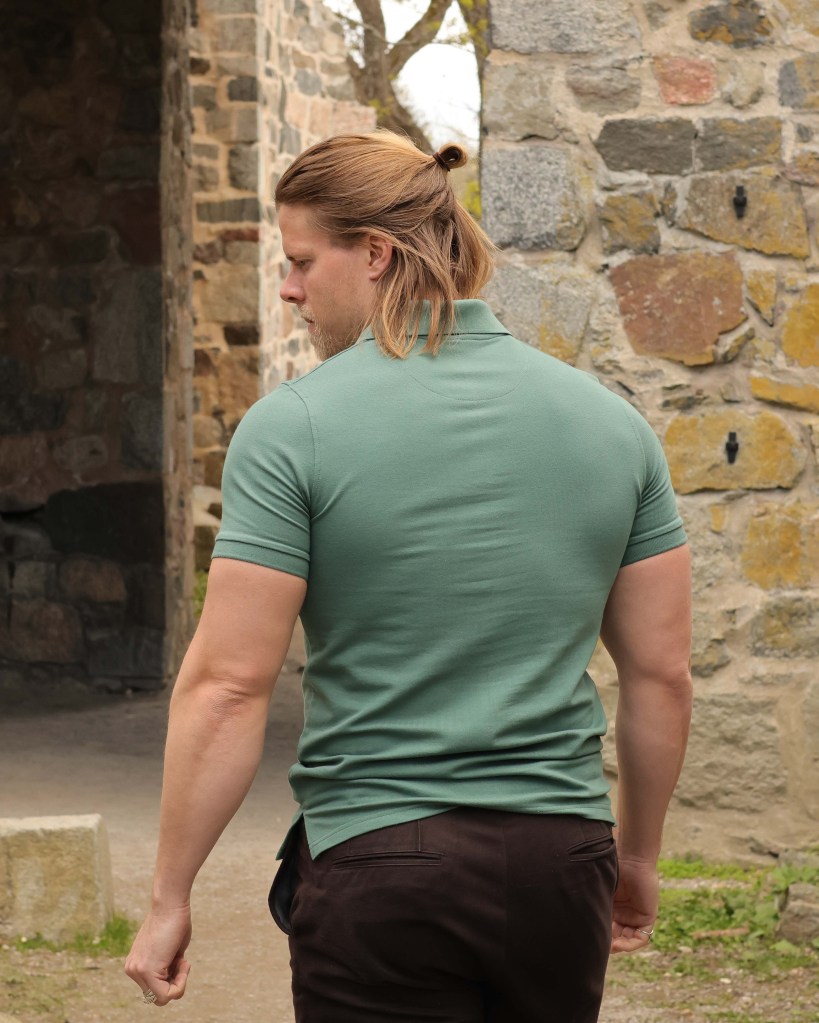
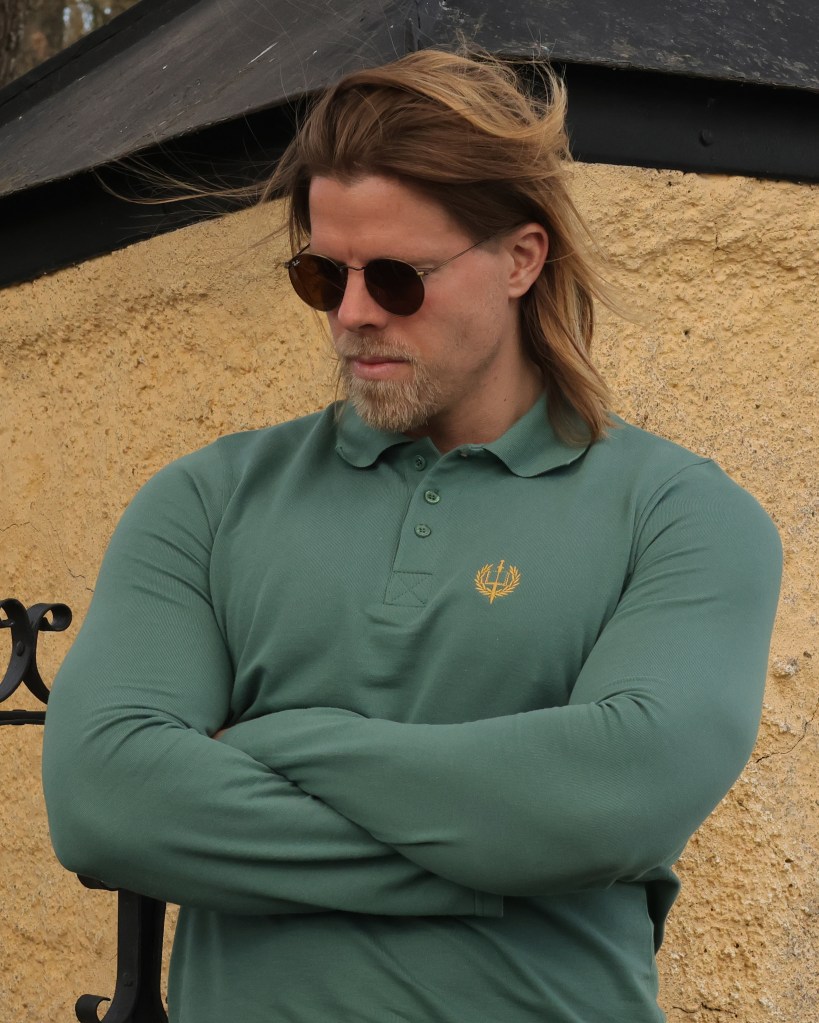
One of our most popular garments is back in stock! This is also a personal favourite of mine. In addition to the restock, a long-sleeved version is now also available. Both versions are in 100% organic cotton.
Sage Green Long-Sleeved Polo Shirt

Frey’s Organic Cotton Underwear: 3-Pack


The greatest underwear in the world is back in stock. 100% organic cotton. If I may be so bold as to recommend that you replace all of your current underwear with these superior ones!
Ernst Jünger – A Different European Destiny by Dominique Venner
Posted on November 9, 2024
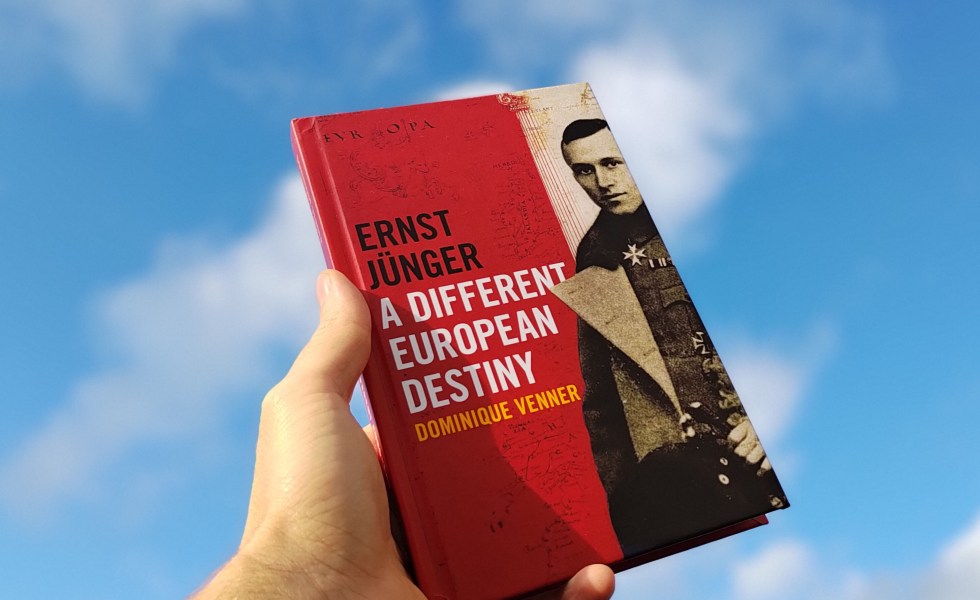
I have read Ernst Jünger – A Different European Destiny by Dominique Venner. As I mentioned upon seeing the announcement of the release of this book: a High-Thumos Chad writing about another High-Thumos Chad! The author, Dominique Venner, was a man cut of the same cloth as Jünger – men of action and contemplation, Cultured Thugs in the finest sense of the word.
Germany and France
Since the book is written by a Frenchman and is about a German, it is natural that the book contains some interesting observations regarding these two (formerly) titanic nations. Their destinies are intertwined – as I have observed before. Venner notes that Jünger was an admirer of French culture. He also notes the following:
‘And although in the 18th century, the French had an aversion to the Habsburgs, who were considered their traditional enemies, they were full of admiration for the King of Prussia, a German prince. The antagonism between the two peoples would only awaken after 1870, against a backdrop of French defeat and territorial conflict relating to the Alsace and Moselle regions.’
Dominique Venner – Ernst Jünger. Page 81.
In the same chapter, the author emphasises the fact that the destructive Franco-German rivalry truly began with Prussia’s defeat of France in 1871.
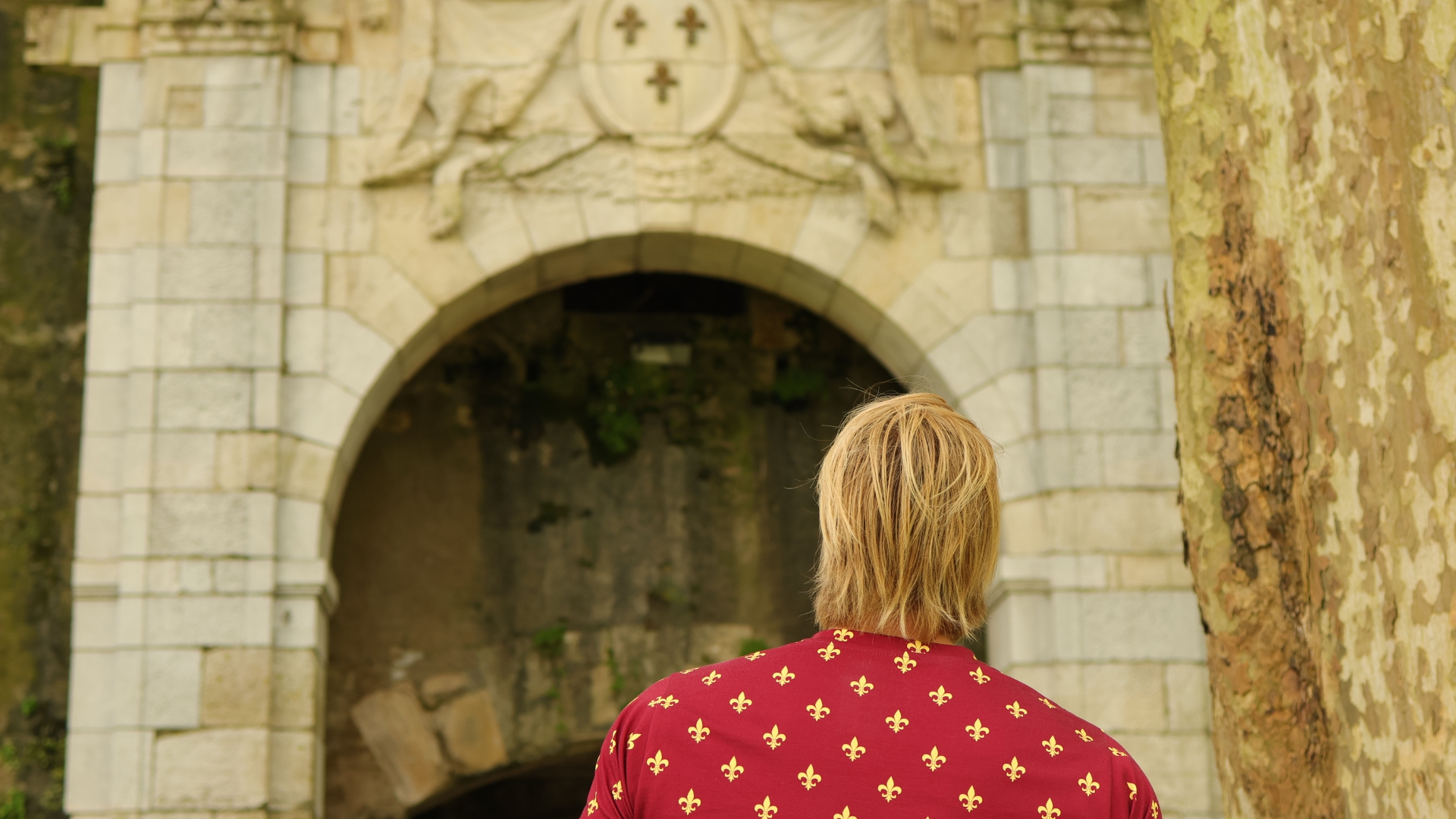
Pictured below: A Swedish Agent of European Civilisation full of admiration for both French and German culture. Location: Bayonne, France.
Germany and Russia
The author also shares an interesting insight regarding Germany’s relationship with Russia. The following passage appears under the title Northern Germany and Southern Germany:
‘In Germany, the borders that delineate people’s feelings towards Russia coincide with the very ancient, cultural and historical border of the Limes and the Main. It divides Germany in two: a predominantly Catholic Germany, that of the South-West, which was subjected to Roman and Catholic influence; and another, that of the North-East, which evaded it. The former is associated with the Austro-Hungarian monarchy and was often at odds with Russia, with the latter acting as the heir to the Prussian and Lutheran tradition and frequently seeking an alliance with Russia.’
Dominique Venner – Ernst Jünger. Page 57.
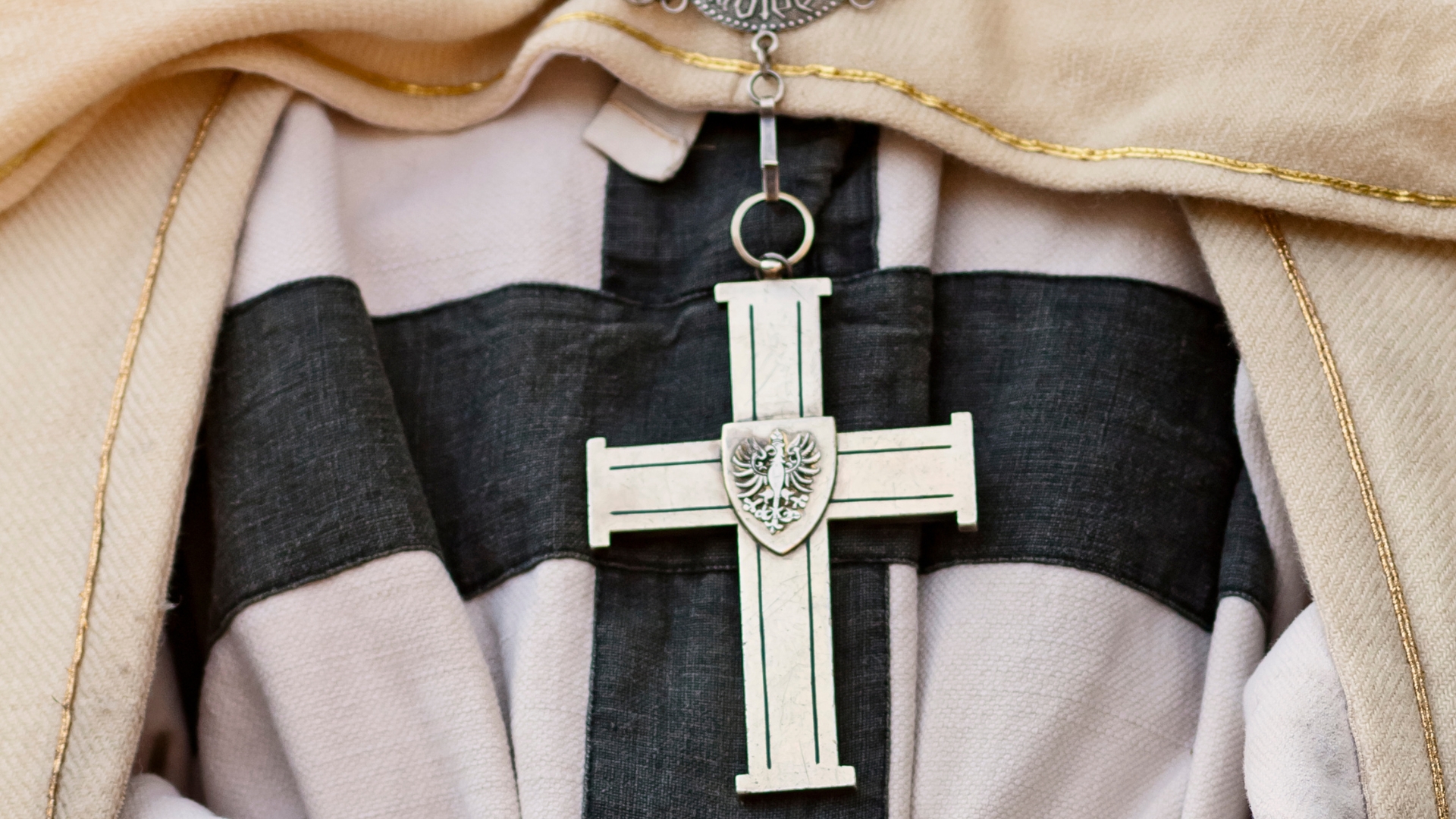
I will return to this fascinating subject in a coming podcast episode. An example of when Prussia allied with Russia was during the Partitions of Poland. Hostilities between Germany (in this context its North-Eastern part) and Russia can be found when studying the history of the Teutonic Order.
German Romanticism
In the chapter titled Weimar and the Conservative Revolution, the author shares the following insight:
‘A powerful intellectual and poetic current born at the end of the 18th century, German romanticism rebelled against the artificiality and rationalism of French Enlightenment. Following in Herder’s footsteps, it contrasted abstract universalism with the living and multifaceted reality of different cultures, in the context of which all peoples are bearers of their own original genius, of a soul that endures through time by adopting ever-changing forms and of which language is the expression.’
Dominique Venner – Ernst Jünger. Page 42.
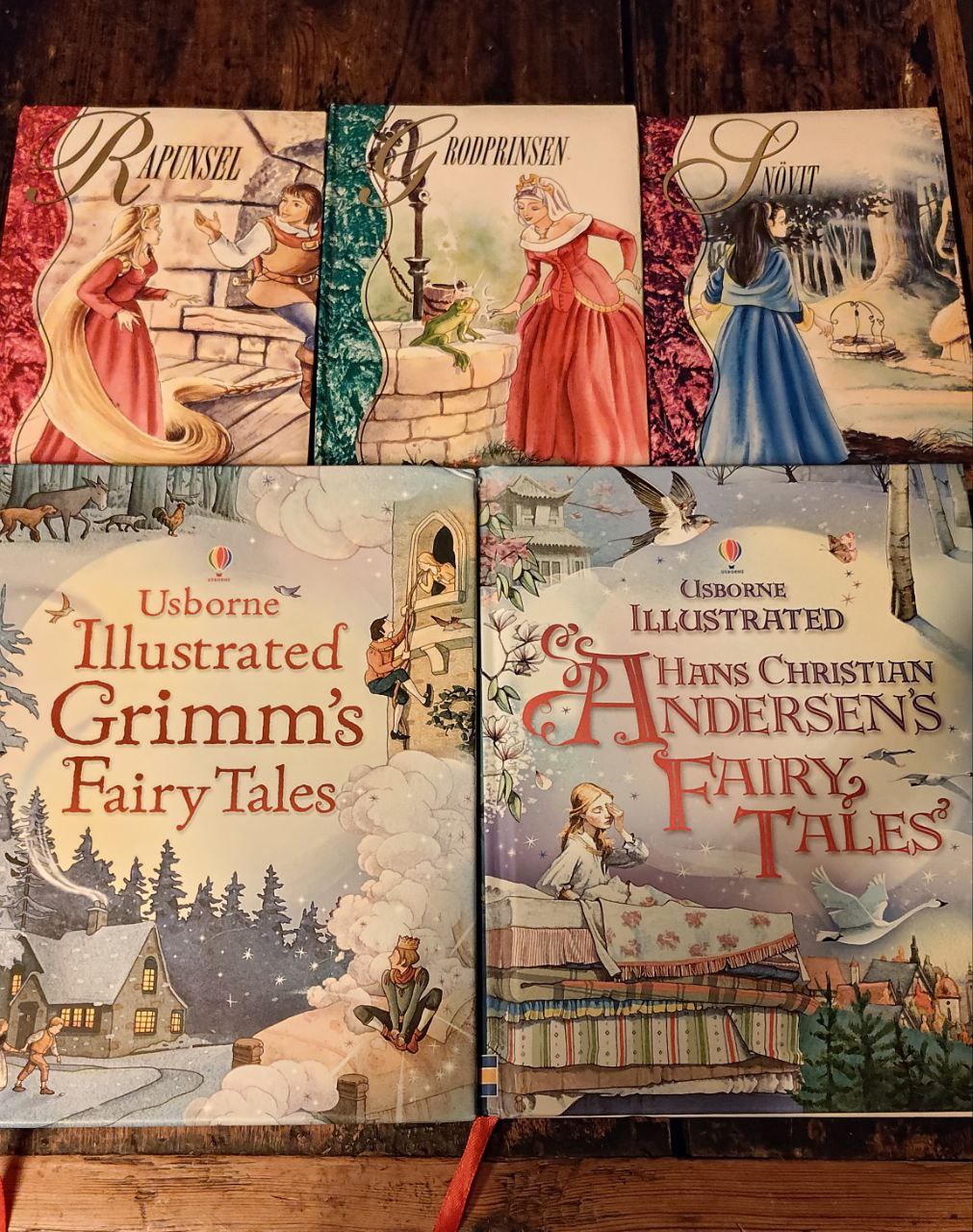
Well formulated! Sensitive Young Men must be familiar with German Romanticism. My to-read-list is quite long, but I will endeavour to read Die Leiden des jungen Werthers (The Sorrows of Young Werther) soon. Speaking of German Romanticism – the Brothers Grimm, to be precise – I recently shared that I read a few stories for my elder daughter (five years of age) every night (below are some of the books I read from):
A Sensitive Man of Culture
In the epilogue, the author shares the following beautiful description of Jünger:
‘Whether in times of war of periods of peace, it is his life that testifies to his having been an exemplary European. Ever wakeful within him was the immanent perception of a beautiful and dangerous world. A man of both action and contemplation, of high culture and great sensitivity, he managed, thanks to his unbroken fondness of France, to reconcile within himself the two brotherly and sometimes rival peoples born from the Carolingian world, a world that traced the visible outlines of the European body.’
Dominique Venner – Ernst Jünger. Page 195.
A strong bond between France and Germany is of utmost importance in order for Europe to reclaim its own destiny. I will elaborate more on this later on.
Conclusion
Ernst Jünger – A Different European Destiny has 212 pages and serves as a good introduction to the life and work of Ernst Jünger. I would recommend the book not only to those interested in the man himself or in European literature but also to those interested in the chaotic first half of the 20th century in Germany. As shown above, the book also contains plenty of historico-geopolitical insights.
Great stuff!



 The Golden One
You must be logged in to post a comment.